


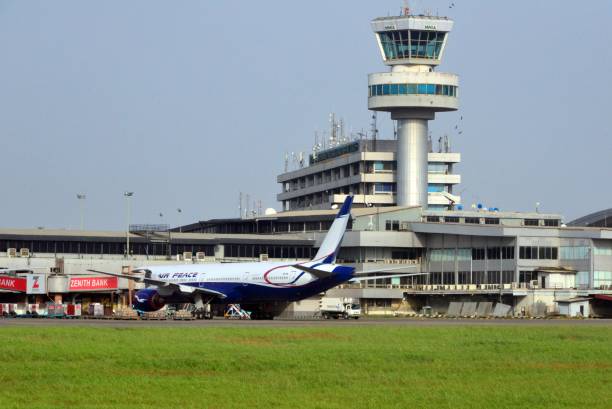
Common aircraft ground logistics issues in Africa can affect how quickly an aircraft is serviced between arrival and departure. Passengers may only notice the final delay, but several activities have to happen around an aircraft before it can leave again.
Ground teams need to coordinate baggage, cargo, passenger boarding, refuelling, cleaning, catering, maintenance support, and aircraft movement. When one part of this chain is delayed, the effect can spread to other operations.
For airlines, travel companies, and businesses moving people or goods, understanding these challenges helps with more realistic planning.
Ground Support Equipment Shortages
Aircraft require specialised equipment while on the ground. This can include baggage loaders, passenger stairs, ground power units, pushback tractors, cargo handling equipment, and other support vehicles.
When the appropriate equipment is unavailable or another aircraft is already using it, turnaround activities may take longer.
The impact can be particularly noticeable at busy airports where several aircraft require ground services around the same time.
Equipment availability is therefore not just a technical concern. It directly affects the time an aircraft spends at the gate or parking stand.
Baggage Handling Delays
Baggage has to move between the aircraft and terminal efficiently, especially when an airline is working with a short turnaround window.
Delays can occur because of high passenger volumes, limited handling equipment, staffing constraints, baggage sorting issues, or congestion around the aircraft.
For passengers, this may mean waiting longer for luggage after arrival. For airlines, slow baggage operations can also affect the preparation of the aircraft for its next flight.
Aircraft Refuelling Coordination
Refuelling is another operation that has to fit into the aircraft turnaround process.
Fuel availability, refuelling equipment, vehicle positioning, safety procedures, and coordination with other ground teams all matter.
A delay in one activity can sometimes interfere with another. Ground operations therefore require careful sequencing rather than treating each task as an isolated activity.
For passengers, the practical result may simply appear as a delayed departure.
Limited Ramp and Parking Space
The aircraft ramp is a busy operating area where multiple activities take place.
When parking stands are limited, airlines and airport operators have to coordinate aircraft movements carefully. An arriving aircraft may need to wait for an available stand or use a remote position that requires additional passenger transportation.
At busy airports, this can affect turnaround times and create additional work for ground transportation teams.
Staff and Coordination Challenges
Ground operations involve several teams, and their activities are closely connected.
A typical turnaround can involve airline staff, ground handlers, security personnel, fuel teams, baggage handlers, catering providers, maintenance teams, and airport operators.
If communication between these groups is poor, one completed task may still leave the aircraft waiting for another team.
Clear communication becomes especially important when flight schedules change or an aircraft arrives later than expected.
Cargo Handling Problems
Air cargo requires a different handling process from ordinary passenger baggage.
Cargo may need to be unloaded, transferred to a cargo facility, documented, inspected, stored, cleared, and prepared for onward transportation.
For businesses shipping goods through Nigerian airports, the process does not end when the aircraft lands.
A shipment arriving in Lagos may still need to move from the airport to a warehouse, office, customer, or another Nigerian city. The onward delivery therefore needs to be considered when planning the original shipment.
Airport Traffic Can Delay Ground Movements
Ground logistics also extends beyond the aircraft apron.
Airport access roads can become congested, affecting staff transportation, cargo collection, passenger pickups, and delivery vehicles.
This is particularly relevant around major Nigerian airports. A vehicle collecting a passenger or shipment may need to allow additional time for traffic, airport access, loading, and terminal procedures.
For urgent cargo, a driver arriving at the airport on time does not automatically mean the shipment will leave on time. The cargo must first be released and made available for collection.
Maintenance Support and Spare Parts
Technical maintenance can create another ground logistics challenge.
An aircraft may require a replacement component, specialist equipment, or an engineer before it can return to service. If the required part is located in another city or country, transportation becomes part of the maintenance timeline.
For example, a component arriving in Lagos may need onward transportation to a maintenance facility or another airport. Delays in collecting and delivering that component can extend the aircraft’s ground time.
How Businesses Can Plan Around Ground Logistics Issues
Businesses working with aviation-related travel or cargo should build flexibility into their schedules.
Useful precautions include:
- Allowing extra time for airport transfers
- Confirming cargo documentation before arrival
- Arranging collection vehicles in advance
- Sharing accurate flight information
- Keeping receiving contacts available
- Avoiding extremely tight connections when possible
- Having an alternative transport plan for urgent deliveries
These steps do not eliminate airport delays, but they can reduce the disruption caused by them.
Coordinating Airport Transport With Travo.ng
Travo.ng can support the movement of passengers and goods around airport operations through services such as airport pickups, vehicle hire, courier delivery, cargo logistics, and transport coordination.
For example, a business expecting an international visitor can arrange an airport pickup around the flight schedule. A company receiving cargo can also organise onward transportation once the shipment is released.
Where several movements are involved, coordinating the airport transfer, delivery, or local transportation as part of the wider itinerary can make the process easier to manage.
Planning for the Ground Part of the Journey
Common aircraft ground logistics issues in Africa are not limited to what happens directly underneath an aircraft. Baggage, fuel, equipment, staff coordination, cargo, maintenance, airport access, and onward transportation all contribute to the overall movement.
For travellers and businesses, the important lesson is to plan beyond the flight itself.
A scheduled landing time tells you when the aircraft is expected to arrive. It does not necessarily tell you when the passenger will leave the airport or when cargo will reach its final destination.
Planning those additional stages with realistic time allowances can make African air travel and logistics considerably easier to manage.
