


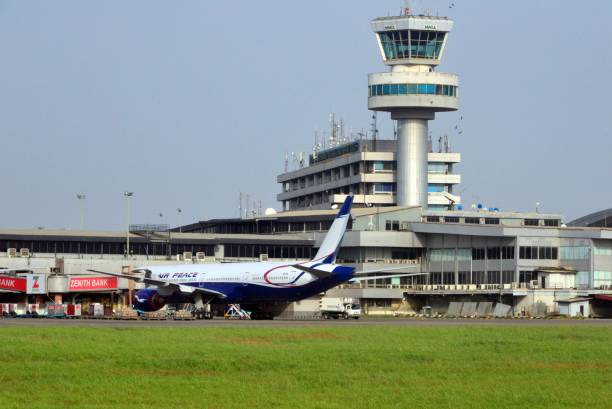
Airport ground operations in Africa cover the activities that take place around an aircraft and inside the airport to support safe, efficient arrivals and departures.
These operations connect airlines, airports, ground handlers, passengers, cargo operators, crew and ground support teams. They include passenger services, baggage handling, ramp operations, aircraft servicing, loading, dispatch and turnaround coordination. IATA’s ground-operations standards cover these areas as part of the wider effort to improve safety, consistency and efficiency. (IATA)
What Are Airport Ground Operations?
Airport ground operations begin before an aircraft arrives and continue until it has completed its turnaround and departed.
Depending on the airport and flight, operations can include:
- Passenger handling
- Baggage handling
- Cargo and mail handling
- Aircraft marshalling
- Aircraft loading and unloading
- Load control
- Aircraft cleaning
- Refuelling coordination
- Pushback and towing
- Ground power
- Catering
- Crew transportation
- Flight dispatch
- Ground support equipment management
The exact services available differ between airports and operators.
Passenger Handling
Passenger operations cover the movement of travellers through the airport before departure and after arrival.
Ground teams may assist with check-in, boarding, arrivals, transfers, baggage issues and passengers requiring additional assistance.
For charter and executive flights, passenger handling can also include meet-and-greet services, VIP assistance and coordinated airport transfers.
Baggage Operations
Baggage handling involves receiving, sorting, transporting, loading and unloading passenger bags.
During a flight turnaround, baggage teams need to coordinate closely with ramp and aircraft-loading teams. Mishandled or delayed baggage can create problems for both passengers and flight schedules.
Modern ground-handling standards include specific procedures for checked baggage, cabin baggage, transfers and mishandled bags. (IATA)
Ramp Operations
Ramp operations take place in the aircraft parking and movement areas.
Typical activities include:
- Aircraft arrival coordination
- Marshalling
- Aircraft parking
- Baggage loading
- Cargo loading
- Pushback
- Towing
- Ground equipment positioning
- Ramp communication
- Aircraft departure preparation
Ramp areas are busy environments where aircraft, vehicles, equipment and people operate close to each other. Proper procedures and trained personnel are therefore essential.
Aircraft Turnaround
An aircraft turnaround is the period between an aircraft arriving and departing again.
Several activities may need to happen during this window, including passenger disembarkation, baggage unloading, cleaning, catering, refuelling, cargo handling, boarding and final departure preparation.
Good turnaround coordination ensures that different teams complete their tasks in the correct sequence without creating unnecessary delays.
Load Control and Aircraft Loading
Aircraft loading is not simply about putting baggage and cargo into the aircraft.
The location and distribution of passengers, baggage, cargo and other loads have to be properly controlled because they affect the aircraft’s weight and balance.
Ground operations teams may therefore work with load-control and flight-operations personnel to prepare the required documentation and loading information. IATA identifies aircraft loading and load control as core areas of standardised ground operations. (IATA)
Cargo Ground Operations
Air cargo requires specialised handling from the time it reaches the airport until it is loaded onto the aircraft.
Cargo operations can include:
- Cargo acceptance
- Documentation
- Storage
- Loading and unloading
- Warehouse operations
- Customs coordination
- Special cargo handling
- Transfer between aircraft and road transport
African airports also support growing regional and international cargo movements, including temperature-sensitive goods and other specialised shipments. (swissport.com)
Aircraft Servicing
Ground teams may perform or coordinate several aircraft servicing activities during a turnaround.
These can include:
- Cabin cleaning
- Waste removal
- Water servicing
- Lavatory servicing
- Catering
- Ground power
- Air conditioning
- Aircraft fuelling
- Other approved technical support
The services required depend on the aircraft, airline, airport and length of the ground stop.
Ground Support Equipment
Ground support equipment, commonly known as GSE, allows airport teams to perform many of their daily tasks.
Examples include:
- Baggage carts
- Cargo loaders
- Passenger stairs
- Pushback tractors
- Aircraft tugs
- Ground power units
- Water service vehicles
- Lavatory service equipment
- Aircraft cleaning equipment
Equipment availability is one factor that airlines and operators need to consider when arranging ground support at different African airports.
Airport Ground Operations in Nigeria
Nigeria has established ground-handling operations covering passenger, cargo and ramp services.
Major Nigerian ground-handling companies provide services such as passenger handling, cargo handling, ramp and airside operations, aviation security and related airport support. (sahcoplc.com)
The Nigerian Civil Aviation Authority also includes passenger handling, ramp services, load control, aircraft fuelling and other functions within its ground-operations oversight framework. (ncaa.gov.ng)
Airport Ground Operations Across Africa
Ground operations vary between African airports because infrastructure, equipment, regulations, traffic levels and available service providers differ.
For example, current ground-handling networks operate across multiple countries and provide combinations of passenger, ramp, baggage, cargo, fuelling and executive aviation services. (swissport.com)
An airline or charter operator planning a multi-country African flight should therefore confirm the available services at each individual airport rather than assuming that every location provides the same support.
What to Arrange Before a Flight
When arranging airport ground operations, provide the handling team with accurate flight information.
Useful details include:
- Airport and terminal
- Arrival and departure times
- Aircraft type
- Aircraft registration
- Number of passengers
- Crew numbers
- Baggage volume
- Cargo requirements
- Fuel requirements
- Catering requirements
- Cleaning requirements
- Parking requirements
- VIP or special passenger requirements
- Crew transportation needs
Early coordination gives the relevant teams time to arrange equipment, personnel and approvals.
Safety and Training
Safety is a major part of airport ground operations because many activities take place around operating aircraft.
Ground personnel may require training covering passenger services, ramp safety, aircraft loading, airside driving, marshalling, pushback, towing, ground support equipment and other duties depending on their role. Nigerian aviation oversight requirements also address training for relevant ground-handling personnel. (ncaa.gov.ng)
IATA’s ground-operations framework similarly promotes standardised procedures and training to reduce operational differences between airlines, airports and ground-service providers. (IATA)
Airport Ground Operations and Logistics
Airport operations do not end when an aircraft leaves the stand.
Passengers may need airport transfers, crew may require hotel transportation, cargo may need road delivery, and equipment or supplies may need to move between airport facilities and other locations.
This makes ground operations an important part of the wider aviation logistics chain.
Travo.ng can support relevant travel planning, airport transfers, transport coordination and logistics requirements around journeys in Nigeria and across Africa, while specialist aircraft and airside operations should be arranged with appropriately authorised aviation service providers.
