


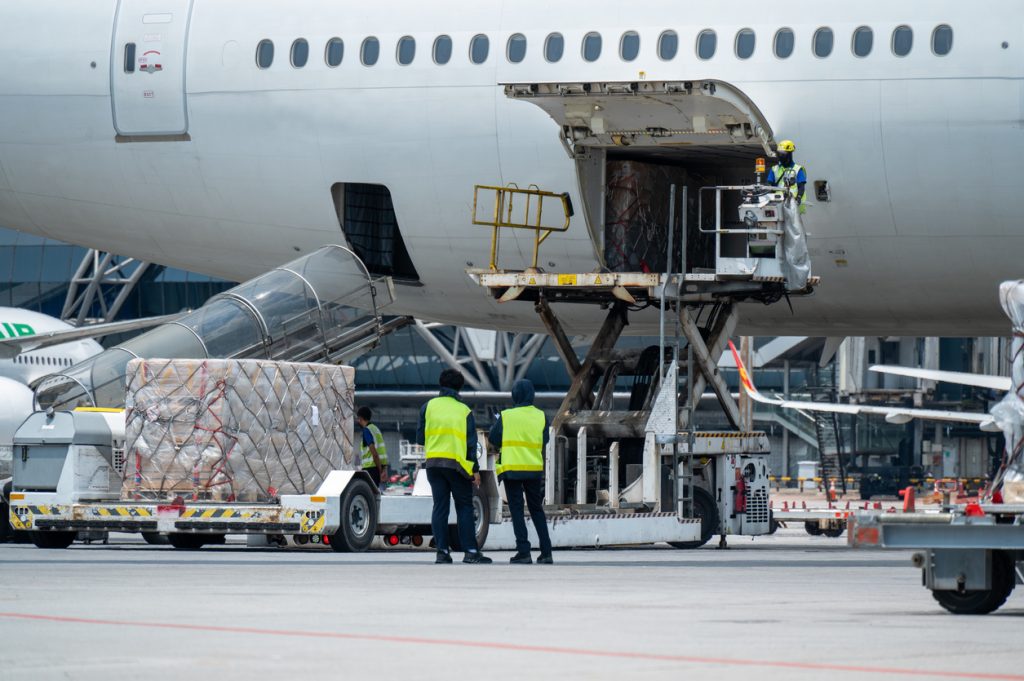
Aircraft ground logistics in Africa covers the services and coordination required to support an aircraft while it is on the ground at an airport. It connects airlines, airports, ground handlers, cargo operators, passengers, crew and other service providers so that flights can arrive, turn around and depart efficiently.
Ground handling generally covers the services needed for an aircraft’s arrival and departure, excluding air traffic control. These services can include passenger and baggage handling, cargo operations, ramp services, aircraft servicing, fuelling and surface transport. (Ghalıi)
What Does Aircraft Ground Logistics Include?
The exact services vary by airport and operator, but aircraft ground logistics can involve:
- Aircraft arrival and departure coordination
- Passenger handling
- Baggage handling
- Cargo and mail handling
- Aircraft marshalling and parking
- Loading and unloading
- Aircraft cleaning
- Water and toilet servicing
- Fuel and oil handling
- Ground transportation
- Catering coordination
- Crew transportation
- Flight operations support
- Line maintenance support
These activities have to be coordinated within tight turnaround periods because several teams may need access to the aircraft before it can depart. (CCAA)
Passenger and Baggage Logistics
Passenger handling can include check-in, boarding, arrival assistance and transferring passengers through the airport.
Baggage operations involve receiving, screening, sorting, transporting and loading bags onto the aircraft. On arrival, bags need to be unloaded and moved through the appropriate airport systems.
A delay in one part of this process can affect the wider aircraft turnaround.
Cargo and Freight Handling
Cargo logistics is another important part of African aviation operations.
Ground teams may handle:
- Import and export cargo
- Air freight
- Special shipments
- Documentation
- Loading and unloading
- Cargo storage
- Transfer between aircraft and terminal facilities
ECOWAS rules on ground handling specifically recognise freight and mail assistance, including physical handling, documentation and customs-related procedures. (Ghalıi)
Ramp Operations
Ramp logistics takes place around the aircraft.
Depending on the airport and aircraft, this can involve aircraft marshalling, parking assistance, baggage and cargo loading, passenger transport, aircraft movement and pushback.
Ground equipment may include baggage carts, dollies, loaders, passenger stairs, ground power units and pushback equipment.
Because ramp operations happen close to aircraft, vehicles and other equipment, coordination and safety procedures are critical.
Aircraft Cleaning and Servicing
Aircraft need to be prepared between flights.
Ground service teams may handle cabin cleaning, waste removal, water servicing and other turnaround tasks. Some operations may also include cabin equipment preparation and related servicing.
These tasks have to be completed without unnecessarily delaying the next departure.
Fuel and Ground Support
Aircraft fuelling is another specialised ground operation.
Fuel handling involves more than simply putting fuel into an aircraft. Ground operations need to coordinate the aircraft, fuel provider, equipment, quantity requirements and relevant safety procedures.
Oil and other required fluids may also form part of aircraft ground support depending on the operation. (Ghalıi)
Crew and Surface Transport
Ground logistics can also extend beyond the aircraft itself.
Airlines and aviation operators may need transport for:
- Flight crew
- Cabin crew
- Passengers
- Baggage
- Cargo
- Ground staff
For example, crew may require transport between an airport and hotel, while passengers may need organised transfers between terminals or other approved locations.
Why African Airport Logistics Requires Planning
Airport operations across Africa involve different national regulations, airport procedures, infrastructure and service providers.
An operator arranging ground support therefore needs to confirm what services are available at the specific airport rather than assuming that every location provides the same facilities.
In West Africa, ECOWAS has established rules addressing access to airport ground-handling services across member states, while individual countries and airports also have their own regulatory and operational requirements. (Ghalıi)
Choosing an Aircraft Ground Logistics Provider
Before arranging ground support, an airline, charter operator or cargo company should establish exactly what is required.
Important questions include:
- Which airport is involved?
- What type of aircraft is operating?
- What is the expected arrival and departure time?
- How many passengers are travelling?
- Is there cargo or special freight?
- Is fuelling required?
- Is aircraft cleaning required?
- Does the aircraft need ground power or other equipment?
- Is crew transportation required?
- Is overnight support needed?
- What documentation and permits are required?
Providing these details early gives the ground-handling team a clearer picture of the operation.
Ground Logistics for Charter and Private Aviation
Charter flights, executive aviation and other non-scheduled operations may require additional coordination because the flight may not follow the same routine schedule as a scheduled airline service.
The operator may need to arrange aircraft parking, passenger handling, crew transport, catering, fuelling, security coordination and other services around a specific arrival and departure window.
Aviation handling providers operating in Africa can offer combinations of ground, passenger, executive aviation, maintenance and cargo services depending on their airport network and approvals. (Aviation Handling Services)
Using Ground Logistics for Air Cargo
For businesses moving goods by air, ground logistics is an important part of the overall supply chain.
Cargo may need to move from a warehouse to the airport, through cargo handling facilities, onto an aircraft and eventually to the recipient or another transport provider.
Coordinating road transport, airport handling, documentation and onward delivery can reduce unnecessary delays between each stage.
Travo.ng and Aviation Logistics
For passengers, businesses and organisations moving people or goods around Africa, airport ground logistics is only one part of the journey.
Travo.ng can support travel planning, airport transfers, transport coordination, delivery and other logistics needs where appropriate. For more complex aviation movements, the required airport and aviation service providers should be confirmed in advance so that the right ground support is available when the aircraft arrives.
