


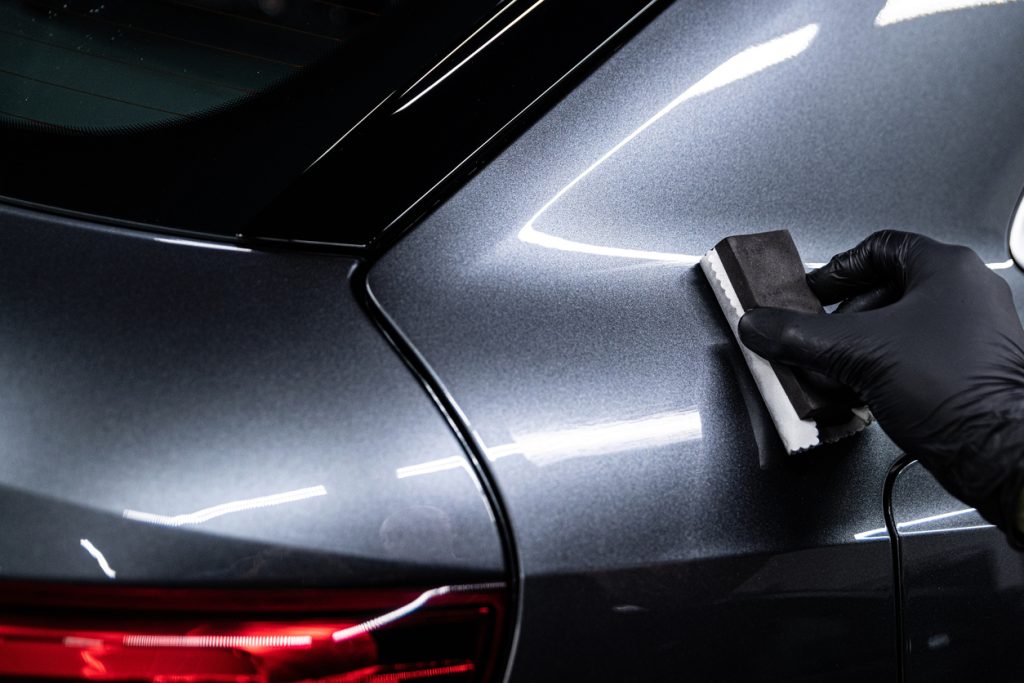
A car wash brush can make cleaning your vehicle easier, especially when dealing with tyres, wheels, body panels and areas that are difficult to reach by hand. However, using the wrong brush can leave scratches, swirl marks or damaged trim.
The best brush depends on the part of the vehicle you are cleaning. A soft brush suitable for paintwork may not be the best choice for dirty wheels or tyres.
What Is a Car Wash Brush?
A car wash brush is designed to help remove dirt, dust, mud and road grime from a vehicle.
Different brushes are made for different jobs, including:
- Car bodywork
- Wheels
- Tyres
- Wheel arches
- Grilles
- Engine-bay areas
- Interior surfaces
- Hard-to-reach exterior sections
Some have long handles for reaching the roof and lower bodywork, while smaller detailing brushes are designed for tight spaces.
Which Car Wash Brush Is Safe for Paint?
For painted bodywork, look for a brush with soft, non-abrasive bristles.
The bristles should be gentle enough to loosen dirt without aggressively rubbing grit across the paint.
However, even a soft brush can cause marks if you use it on a dirty vehicle without plenty of water and car shampoo. Sand and other particles trapped between the brush and paint can act like abrasives.
For delicate paintwork, a quality microfibre wash mitt is often preferable to a traditional stiff brush.
Brush for Car Wheels and Tyres
Wheels collect brake dust, mud, grease and road grime, so they normally require a different brush.
A wheel brush can help reach:
- Between spokes
- Around the wheel rim
- Behind tight areas
- Around wheel nuts
- Tyre sidewalls
Use a separate brush for wheels and tyres rather than using the same brush on your paintwork.
This helps prevent brake dust, sand and heavy grime from being transferred onto the car’s body.
Long Handle Car Wash Brush
A long-handled brush can make it easier to clean larger vehicles.
It can help reach:
- Roof
- Windscreen
- Upper doors
- Rear window
- Large SUVs
- Vans
A telescopic handle can be particularly useful when washing a large vehicle at home.
Make sure the handle is secure and the brush head remains easy to control. Excessive pressure is unnecessary and can increase the chance of scratching the surface.
Soft Bristle vs Stiff Bristle
Soft bristles are generally more appropriate for delicate painted surfaces.
Stiffer bristles can be useful for tougher areas such as tyres, wheel arches and heavily soiled exterior components.
Do not assume that a brush advertised as heavy-duty is suitable for the entire vehicle.
Using a stiff brush on clear coat or glossy trim can leave visible marks.
How to Use a Car Wash Brush Properly
Start by rinsing the vehicle thoroughly to remove loose dirt.
Then:
- Work from the cleaner areas towards the dirtier areas.
- Use plenty of clean water and suitable car shampoo.
- Clean one section at a time.
- Rinse the brush regularly.
- Avoid pressing heavily against the paint.
- Rinse the vehicle thoroughly.
- Dry using a clean microfibre towel.
If the brush falls onto the ground, rinse it thoroughly before putting it back on the vehicle.
A small stone trapped in the bristles can cause more damage than the dirt you were trying to remove.
Don’t Use One Brush for Everything
Keeping separate brushes is one of the simplest ways to improve your car-washing routine.
For example, you can have:
- A soft wash brush or mitt for paint
- A wheel brush for rims
- A tyre brush for sidewalls
- A small detailing brush for grilles and badges
- A separate interior brush
This prevents contaminated cleaning tools from being used on delicate surfaces.
Car Wash Brush for Nigerian Conditions
Dust, sand, mud and road grime can build up quickly on vehicles, particularly during dusty weather or after travelling on unpaved roads.
If your car is heavily dusty, avoid immediately scrubbing the bodywork with a dry brush. Rinse it first to remove loose particles.
This is especially important for vehicles regularly driven around busy urban areas or on rough roads.
Can You Use a Car Wash Brush on Glass?
Some soft brushes can be used on exterior glass, but the brush must be clean and free from hard particles.
For windscreens, make sure the surface is well lubricated with water or an appropriate glass-cleaning solution.
Never use a dirty brush to aggressively scrub glass because trapped particles can cause marks.
Cleaning and Storing Your Brush
A car wash brush needs cleaning too.
After washing the car:
- Rinse the bristles thoroughly
- Remove trapped dirt
- Shake out excess water
- Allow it to dry properly
- Store it somewhere clean
- Keep paintwork and wheel brushes separate
Do not leave a wet, dirty brush inside a closed container for long periods.
When Should You Replace a Car Wash Brush?
Replace the brush when the bristles become damaged, excessively hard, contaminated or difficult to clean.
If you notice that the bristles are collecting grit or becoming rough, using a new brush is cheaper than dealing with unnecessary paint correction later.
Car Wash Brush or Pressure Washer?
A pressure washer can remove loose dirt quickly, while a brush provides physical cleaning for areas where grime remains.
They can be used together, but the pressure washer should be used carefully around sensitive trim, seals, electrical components and damaged paint.
For normal home washing, a good brush or wash mitt, proper shampoo and plenty of clean water can be enough.
When Travo.ng Can Help
If you are preparing a vehicle for a road trip, business journey or relocation, Travo.ng can help with relevant transport and travel logistics.
Before a long journey, cleaning the vehicle also gives you an opportunity to notice problems such as damaged lights, cracked glass, worn tyres or fluid leaks that may otherwise be hidden by dirt.
Choosing the Right Car Wash Brush
Don’t buy a car wash brush simply because it has a large head or stiff bristles.
Choose according to the surface you intend to clean. Soft tools are better suited to paintwork, while tougher brushes can be reserved for tyres, wheels and other heavily soiled areas.
The right brush, plenty of water and careful washing technique can keep your vehicle cleaner without unnecessarily damaging its finish.
