


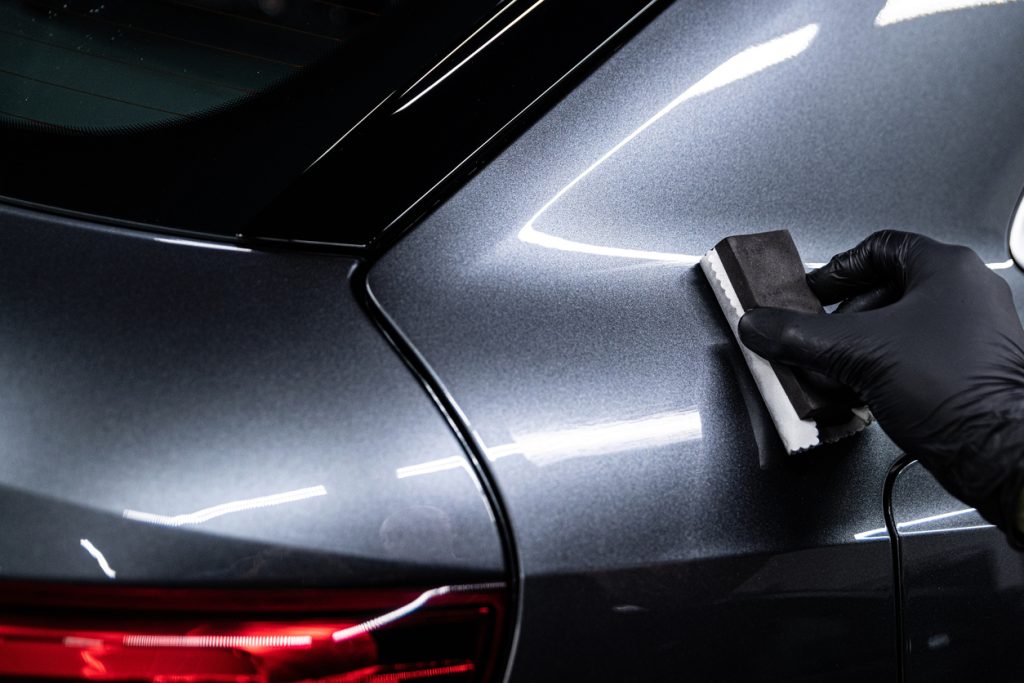
Car body repair covers the work needed to restore damaged exterior parts of a vehicle after an accident, collision, parking incident, scratches, dents or rust. Depending on the damage, the repair may involve panel beating, dent removal, body filler, sanding, repainting or replacing a damaged panel.
A small scratch and a badly damaged door may both require body repair, but they should not be handled in the same way.
What Does Car Body Repair Include?
Car body repair can involve different parts of the vehicle, including:
- Doors
- Front and rear bumpers
- Bonnet
- Boot lid
- Fenders or wings
- Side skirts
- Roof panels
- Quarter panels
- Wheel arches
- Exterior trim
The repair method depends on the material, location and severity of the damage.
Common Types of Car Body Damage
Dents
Dents can happen when another car hits your vehicle, a door swings into it, or the vehicle contacts a wall, pole or other object.
A shallow dent with undamaged paint may sometimes be suitable for paintless dent repair. More severe dents may require panel beating and repainting.
Scratches and Paint Damage
Some scratches only affect the clear coat and may be improved through polishing.
Deeper scratches can pass through the paint layers and expose the primer or metal underneath. These usually require more extensive repair and refinishing.
Bumper Damage
Bumpers can suffer scratches, cracks, dents and broken mounting points after an impact.
A lightly damaged bumper may be repairable, while a badly cracked or distorted bumper may need replacement.
Rust and Corrosion
Rust can develop when paintwork is damaged and moisture reaches exposed metal.
If you notice rust around a scratch, wheel arch, door edge or damaged panel, dealing with it early can prevent the affected area from becoming more extensive.
Accident Damage
A collision can damage more than what you can see from outside. Panel gaps, doors, bonnet alignment and other parts may be affected.
After a serious accident, the vehicle should be inspected properly rather than repairing only the visible scratches and dents.
Should You Repair or Replace the Damaged Panel?
This depends on the extent of the damage.
Repair may make sense when:
- The panel is still structurally usable
- The dent can be restored to its original shape
- The mounting points are intact
- The damage is relatively localised
- Replacement would not provide a meaningful advantage
Replacement may be more appropriate when a panel is badly crushed, heavily stretched, cracked or has damaged mounting points.
A good body repairer should inspect the damage before deciding whether to repair or replace the part.
How Car Body Repair Is Usually Done
A professional repair normally starts with an inspection of the damaged area.
The technician may then:
- Remove or straighten the damaged panel.
- Repair dents and damaged metal.
- Prepare the surface.
- Apply body filler where required.
- Sand the area until the surface is smooth.
- Apply primer.
- Match the paint colour.
- Refinish the repaired area.
- Allow the paint to cure.
- Reassemble the affected parts.
- Check panel alignment and the final finish.
The quality of the preparation is important because a poor repair can remain visible even after the vehicle has been painted.
What Is Panel Beating?
Panel beating is the process of reshaping damaged vehicle body panels.
A technician uses specialist tools to work dents and deformed metal back towards their original shape. Depending on the damage, additional filling, sanding and painting may be required afterwards.
Panel beating is particularly common after collisions and significant dents.
Can Small Car Body Damage Be Repaired at Home?
Some very minor cosmetic problems can be handled with basic products, but DIY repairs can easily become worse if you do not have the right tools or experience.
For example, a light surface scratch may respond to polishing, while a deep scratch that has reached bare metal requires a different approach.
Trying to hammer out a large dent without understanding how the panel has been deformed can also make professional repair more difficult.
Car Body Repair in Nigerian Driving Conditions
Nigerian roads can expose vehicles to potholes, tight traffic, roadside obstacles, parking impacts and minor collisions.
In busy areas such as Lagos, a small bumper scrape or door dent can happen even during normal daily driving. Rain and moisture can also become a concern when paint has been damaged and bare metal is exposed.
This is why it is worth dealing with significant scratches and damaged paint rather than leaving them indefinitely.
How to Choose a Car Body Repairer
Before leaving your car at a body repair workshop, check the quality of previous work where possible.
Ask about:
- The exact damage that needs repair
- Whether the panel will be repaired or replaced
- The type and quality of replacement parts
- Paint matching
- Expected repair time
- Whether additional damage could be discovered after dismantling
- What is included in the quoted price
Be careful with very cheap quotes that do not clearly explain what work will be carried out.
What Should You Check After the Repair?
Before accepting the vehicle, inspect the repaired area in good lighting.
Look for:
- Uneven panel gaps
- Paint colour differences
- Overspray on nearby parts
- Rough or uneven surfaces
- Loose bumper or trim fittings
- Doors or bonnet that do not close properly
- Visible filler lines
- Paint bubbles or imperfections
Also check that lights, parking sensors, cameras and other equipment around the repaired area are working correctly.
When Should You Repair Car Body Damage?
You do not necessarily need to repair every tiny cosmetic mark immediately. However, deeper scratches, exposed metal, cracked panels and collision damage should not simply be ignored.
If the damage affects a door, bonnet, boot, lights, bumper mounting or other important component, have the vehicle inspected before continuing to use it normally.
Prepare Your Vehicle Before Travelling
If your car has recently suffered body damage, it is worth checking the vehicle properly before taking a long trip.
A body repair may also reveal issues around lights, bumpers, wheels or other areas affected by an impact. Make sure everything is secure before travelling between cities or heading to the airport.
Travo.ng can also help with travel bookings, airport transfers, vehicle hire and logistics arrangements when you need to organise transportation around your repair or journey.
