


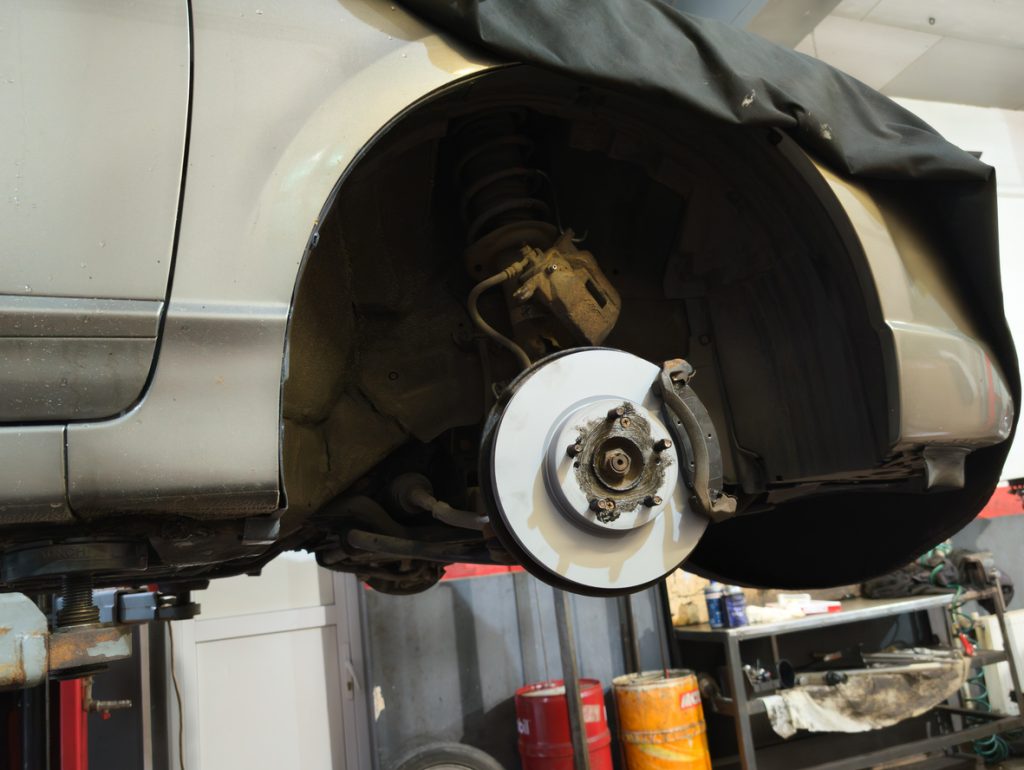
Bleeding brakes is the process of removing trapped air from the brake lines and replacing old or contaminated brake fluid. Air inside the hydraulic brake system can make the brake pedal feel soft or spongy and reduce braking response.
If you have recently changed a brake caliper, brake hose, master cylinder or other hydraulic brake component, bleeding may be necessary before driving normally.
Why Do You Need to Bleed Brakes?
A properly working brake system relies on brake fluid transmitting pressure from the brake pedal to the calipers or wheel cylinders. Air can compress inside the system, unlike brake fluid.
Common signs that your brakes may need bleeding include:
- A soft or spongy brake pedal
- The brake pedal travelling further than usual
- Reduced braking response
- Air bubbles appearing during brake bleeding
- Brake work recently carried out
- Brake fluid contamination or replacement
A soft pedal can also be caused by other brake problems, so bleeding should not be treated as a solution to every braking fault.
What You Need to Bleed Brakes
For a basic manual brake bleed, you will usually need:
- The correct brake fluid for your vehicle
- A suitable spanner for the bleed screw
- Clear brake bleeding hose
- A clean container for used fluid
- Gloves
- Safety glasses
- Jack and properly rated axle stands if the wheels need to be removed
- A second person to operate the brake pedal
Check your vehicle’s manual for the correct brake fluid specification and bleeding sequence.
How to Bleed Brakes Step by Step
1. Park the Car Safely
Park on a flat, solid surface and switch off the engine. If you need to lift the vehicle, use the manufacturer’s jacking points and support it securely with suitable axle stands.
Never work underneath a vehicle supported only by a jack.
2. Find the Brake Fluid Reservoir
Open the bonnet and locate the brake master cylinder reservoir. Clean around the reservoir cap before opening it so dirt does not enter the system.
Fill the reservoir with the correct brake fluid up to the recommended level.
3. Check the Bleeding Order
Do not automatically assume that every car uses the same wheel sequence.
Many vehicles are bled starting from the wheel furthest hydraulically from the master cylinder, but the correct order can vary depending on the vehicle and ABS system.
Check your owner’s manual or service information before starting.
4. Locate the Bleed Screw
At the first brake assembly, locate the bleed screw on the brake caliper or wheel cylinder.
Remove the protective cap if fitted and place one end of the clear hose securely over the bleed screw.
Put the other end into a container where the old brake fluid can collect.
5. Build Pressure With the Brake Pedal
Ask your helper to slowly press the brake pedal several times and then hold it down.
Tell them not to release the pedal until you have closed the bleed screw.
6. Open the Bleed Screw
While the pedal is being held down, loosen the bleed screw slightly.
Brake fluid and air should travel through the clear hose into the container. The brake pedal will normally move down as fluid leaves the system.
Close the bleed screw before your helper releases the brake pedal.
7. Repeat the Process
Repeat the process several times:
- Pump the pedal and build pressure.
- Hold the pedal down.
- Open the bleed screw.
- Allow fluid and air to escape.
- Close the bleed screw.
- Release the pedal.
- Check the reservoir and top it up when necessary.
Continue until the fluid coming through the hose is free from visible air bubbles.
Never allow the brake fluid reservoir to run empty during bleeding because this can introduce more air into the system.
8. Move to the Next Brake
Once the first brake is properly bled, close the bleed screw and replace its protective cap.
Move to the next brake according to the manufacturer’s specified sequence and repeat the procedure.
9. Check the Brake Fluid Level
After all the required brakes have been bled, bring the brake fluid level back to the correct mark on the reservoir.
Do not simply pour in any brake fluid you have available. Use the specification recommended for your vehicle.
10. Check the Brake Pedal
With the engine off, press the brake pedal firmly.
The pedal should feel reasonably firm and should not continue sinking excessively under steady pressure.
If the pedal remains spongy, there may still be air in the system or another brake fault may be present.
What Happens If You Don’t Bleed the Brakes Properly?
Poorly bled brakes can leave air inside the hydraulic system. This can result in a soft pedal and inconsistent braking.
If the brake pedal still feels abnormal after bleeding, do not assume that repeating the process will automatically fix it. A leaking brake line, damaged caliper, faulty master cylinder, worn components or an ABS-related issue could be responsible.
Does ABS Change the Bleeding Process?
Yes. Some vehicles with ABS require additional procedures or equipment to properly bleed the ABS hydraulic unit.
This is particularly important if air has entered the ABS hydraulic control unit itself.
For a vehicle with ABS, check the manufacturer’s service procedure before attempting a complete brake bleed. A diagnostic scan tool or specialised bleeding equipment may be required on some models.
Can You Bleed Brakes Alone?
It is possible to use vacuum bleeders, pressure bleeders and other tools designed for one-person brake bleeding.
However, the traditional two-person method is straightforward when done correctly. One person operates the brake pedal while the other controls the bleed screw.
If you are unfamiliar with brake systems, having an experienced mechanic assist you is safer than experimenting with a vehicle’s braking system.
Brake Bleeding in Nigeria
Brake systems deserve extra attention before long Nigerian road trips. Heavy traffic, frequent braking and long-distance driving can place significant demands on the braking system.
Before travelling between cities such as Lagos, Abuja, Ibadan, Ilorin, Benin City or Port Harcourt, check the brake pedal feel, brake fluid level, tyres and visible brake components.
If the vehicle has recently had brake work done, make sure the system has been properly checked before starting a long journey.
Don’t Ignore a Spongy Brake Pedal
A spongy pedal is not something to ignore simply because the vehicle still stops.
If bleeding does not restore a firm pedal, have the entire braking system inspected. Continuing to drive with a brake problem can turn a relatively simple repair into a more serious safety issue.
Get Your Vehicle Ready Before a Trip With Travo.ng
If you are preparing for an interstate journey, airport transfer, relocation or business trip, Travo.ng can help with travel and transport arrangements while you make sure your vehicle is ready for the road.
For personal vehicles, company cars and vehicles used for regular deliveries, arranging the necessary checks before a long journey can help you avoid preventable delays along the way.
