


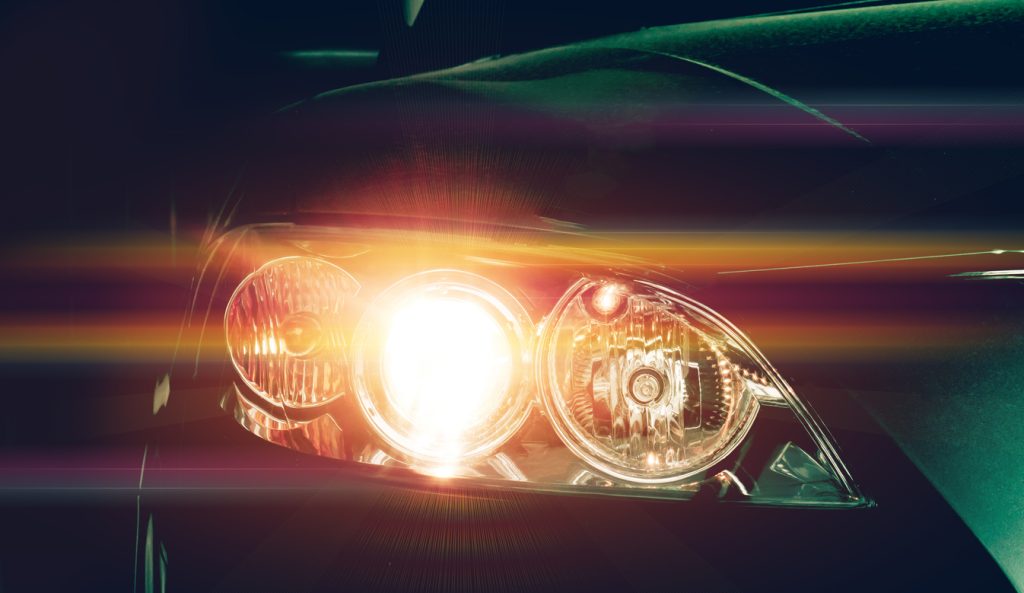
Car lights do much more than help you see at night. They also help other road users understand what you are doing, whether you are slowing down, turning, reversing or stopping because of a problem.
From headlights and brake lights to indicators, fog lights and reverse lights, every part of your vehicle lighting system has a specific purpose.
For Nigerian drivers, keeping these lights in good condition is especially important when driving at night, during heavy rain or on poorly lit roads.
What Are the Main Types of Car Lights?
Most modern vehicles have several different lights, although the exact setup depends on the make and model.
Common car lights include:
- Headlights
- Daytime running lights
- Tail lights
- Brake lights
- Turn signal or indicator lights
- Hazard lights
- Reverse lights
- Fog lights
- Parking or position lights
- Interior lights
- Number plate lights
Some newer vehicles combine several functions into one lighting assembly.
Headlights
Headlights illuminate the road ahead and help other drivers see your vehicle.
Most headlights have low-beam and high-beam settings.
Low Beam
Low beams are suitable for normal night driving and situations where there are other road users around you. They direct light towards the road without producing excessive glare.
High Beam
High beams provide stronger, longer-range illumination and are useful on dark roads where there is little or no oncoming traffic.
Avoid using high beams when approaching another vehicle because the glare can make it difficult for the other driver to see.
Brake Lights
Brake lights are positioned at the rear of the vehicle and illuminate when you press the brake pedal.
Their job is to warn drivers behind you that your vehicle is slowing down or stopping.
A failed brake light can be particularly dangerous because the driver behind may not realise that you are braking.
Check both sides regularly and don’t ignore a dashboard warning relating to your vehicle’s lighting system.
Indicator Lights
Indicator lights, also called turn signals, tell other road users that you intend to turn or change direction.
They are usually found at the front and rear of the vehicle, with some cars also having indicators on the side mirrors or front wings.
Use your indicators early enough for other drivers, cyclists and pedestrians to understand your intended movement.
Hazard Lights
Hazard lights activate the vehicle’s indicators simultaneously to warn others of a hazard or emergency situation.
They can be useful when your vehicle has broken down or has stopped in a position where other road users need additional warning.
Hazard lights should not be treated as a replacement for proper indicators when turning or changing lanes.
Reverse Lights
Reverse lights normally illuminate when the transmission is placed into reverse.
They help illuminate the area behind the vehicle and tell pedestrians and other road users that the vehicle is reversing.
If your reverse lights are not working, check the bulbs, wiring, fuse and reverse-light switch as appropriate for your vehicle.
Fog Lights
Fog lights are designed to improve visibility in certain poor-visibility conditions.
They are normally positioned lower than the main headlights and can be particularly useful when visibility is reduced.
In Nigeria, heavy rainfall can create situations where visibility drops quickly, but fog lights should not simply be switched on whenever it rains. Use them according to the conditions and your vehicle manufacturer’s guidance.
LED, HID and Halogen Car Lights
Different vehicles use different lighting technologies.
Halogen
Halogen bulbs are common in older and many affordable vehicles. They are relatively straightforward to replace and are available in many standard bulb sizes.
HID
HID headlights use a different technology from conventional halogen bulbs and can produce strong illumination. They require compatible equipment and should not simply be installed into a housing that was not designed for them.
LED
LED lighting is increasingly common on newer vehicles. LEDs can be energy efficient and are used for headlights, brake lights, indicators, daytime running lights and other applications.
When replacing a light, compatibility with the vehicle’s original lighting system matters more than simply choosing the brightest bulb available.
Why Are My Car Lights Dim?
Dim headlights or other weak lights can have several possible causes.
These include:
- An ageing bulb
- Dirty or cloudy headlight lenses
- Low battery voltage
- Charging-system problems
- Poor electrical connections
- Damaged wiring
- A failing lighting component
If both headlights suddenly become noticeably weaker, don’t automatically assume that both bulbs need replacement. An electrical problem may be responsible.
Why Is One Car Light Not Working?
If one light stops working, the bulb is one possible cause, but it is not the only one.
Depending on the vehicle, the problem could involve:
- A blown fuse
- Damaged wiring
- A poor electrical connection
- A faulty switch
- A damaged bulb holder
- A control module
- Moisture inside the light assembly
If replacing the bulb does not solve the problem, have the electrical system checked.
Check Your Headlight Alignment
Even a working headlight can create problems if it is badly positioned.
A headlight that points too low may not illuminate enough of the road. One that points too high can create glare for oncoming drivers.
After replacing a headlight assembly, suspension component or other parts that can affect vehicle height, it is worth checking the alignment.
Don’t Ignore Condensation Inside the Light
A small amount of temporary condensation can sometimes occur because of changes in temperature.
However, persistent moisture or visible water inside a headlight or tail-light assembly should be investigated.
Water can damage electrical components, bulbs and connectors and may indicate a damaged seal or housing.
Keeping Car Lights Clean
Dirty headlights can reduce the amount of light reaching the road.
This is particularly noticeable when driving through dusty areas, during rain or on roads where mud and dirt are frequently thrown onto the vehicle.
Clean the exterior of your light lenses regularly and inspect them for cracks, clouding or damage.
If plastic headlights have become heavily cloudy or yellowed, professional restoration may improve their condition.
Car Lights Before a Long Journey
Before travelling between cities such as Lagos, Ibadan, Ilorin, Abuja or Benin City, check all your exterior lights.
Walk around the vehicle while someone operates the:
- Headlights
- High beams
- Indicators
- Hazard lights
- Brake lights
- Reverse lights
- Fog lights, where fitted
This takes only a few minutes but can reveal a failed bulb or electrical problem before you start your journey.
Choosing Replacement Car Lights
When buying a replacement bulb or lighting assembly, don’t choose based only on appearance or brightness.
Check:
- Vehicle make and model
- Model year
- Correct bulb type
- Voltage and power requirements
- Connector type
- Headlight housing compatibility
- Manufacturer specifications
An excessively bright or incorrectly installed light can create glare for other road users instead of improving visibility.
Car Lights and Vehicle Maintenance
Lighting problems can sometimes be simple bulb replacements, but repeated failures may point to a wider electrical issue.
If you notice flickering lights, repeated bulb failures, warning messages or multiple lights failing at the same time, get the vehicle properly diagnosed.
For drivers preparing for road trips, airport transfers or other journeys, Travo.ng can also help coordinate relevant transport and travel arrangements while your vehicle is being serviced.
