


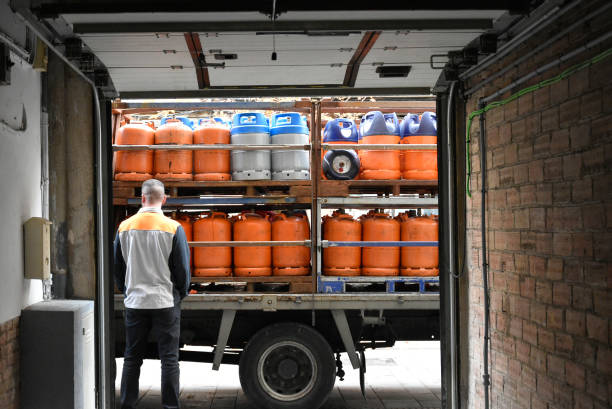
Camping gas canisters are a convenient way to power portable camping stoves and other outdoor cooking equipment. They are useful for camping trips, road trips, picnics, hiking and situations where you need a portable cooking setup.
The important thing is choosing a canister that matches your stove. Gas type, canister size and connection method can all be different, so you should not assume that every camping gas canister will fit every camping stove.
What Are Camping Gas Canisters?
Camping gas canisters are pressurised containers holding fuel such as butane, propane or a mixture of gases. They provide fuel to compatible camping stoves, burners and some other outdoor appliances.
Some are small and disposable, making them suitable for lightweight camping. Others are larger refillable bottles designed for longer trips or bigger cooking setups.
Common Types of Camping Gas Canisters
Butane Canisters
Butane is commonly used in portable camping cookers and compact stoves.
It works well in warm conditions and is convenient for short camping trips. However, its performance can decrease significantly in very cold conditions.
Propane Canisters
Propane performs better in cold conditions but generally requires stronger containers because it is stored at higher pressure.
Larger propane cylinders are more common for car camping and bigger cooking setups than lightweight backpacking trips.
Isobutane and Propane Blends
Many lightweight backpacking canisters use a mixture of isobutane and propane.
The combination provides a useful balance between portability and performance across different temperatures.
Canister Connection Types
The gas itself is only part of the compatibility question. You also need the correct connection.
Screw-Thread Canisters
These have a threaded valve that screws directly onto compatible camping stoves.
They are common on compact backpacking and outdoor cooking systems.
Piercing Canisters
These are designed to be pierced by a compatible appliance. Once installed, the canister generally remains attached until it is empty.
Never try to use a piercing canister with a stove designed for a different connection.
Bayonet or Clip-On Canisters
These attach through a specific valve and connection mechanism.
They are commonly used with certain portable butane cookers.
The safest approach is always to check the stove manufacturer’s instructions before buying a replacement canister.
How Do You Choose the Right Camping Gas Canister?
Start with your stove rather than the gas canister.
Check:
- Fuel type
- Connection type
- Recommended canister size
- Manufacturer’s instructions
- Expected weather conditions
- Length of your trip
- Number of people you will be cooking for
Trying to force an incompatible canister onto a stove can cause leaks or other dangerous problems.
How Much Camping Gas Do You Need?
The amount of gas you need depends on how often you cook, how long the trip lasts, the stove’s efficiency and the number of people being fed.
A short solo trip may only require a small canister.
A family camping trip involving several meals each day will require considerably more fuel.
If you’re travelling by vehicle, a larger fuel supply may be more practical than carrying several small cartridges, provided the equipment and storage arrangements are suitable.
Camping Gas Canisters for Road Trips
Camping gas canisters can be useful when travelling to locations where cooking facilities may not be available.
A portable stove can allow you to prepare simple meals or hot drinks at an appropriate outdoor campsite.
Before leaving, check that:
- The stove works properly
- The canister is compatible
- Connections are in good condition
- You have enough fuel
- You have a suitable cooking area
- You have a way to transport the equipment safely
Camping Gas Safety
Gas canisters contain flammable fuel under pressure, so they need to be handled carefully.
Keep canisters away from open flames, excessive heat and direct sunlight. Store them according to the manufacturer’s instructions and avoid damaging, puncturing or modifying the container.
Portable gas stoves should only be used in appropriate, well-ventilated outdoor areas. Using a fuel-burning stove inside a tent, vehicle or other confined space can create a serious carbon-monoxide hazard. (Canada)
Never Put a Large Pot Over the Canister
With some portable butane stoves, the gas canister sits beside the burner.
Make sure the cookware is the correct size for the stove. A large pan that extends over the canister can heat the fuel container, creating a dangerous situation.
Follow the stove’s instructions regarding cookware size and positioning. (Canada)
Check for Gas Leaks
Before using a camping stove, inspect the canister, valve, hose and connection points.
If you smell gas or hear a hissing sound, turn off the fuel supply if it is safe to do so and move away from ignition sources.
Do not attempt to light a stove when you suspect a leak.
Damaged canisters, regulators, hoses or fittings should not be used.
Can You Store Camping Gas in a Car?
Gas canisters should not simply be left in a hot vehicle for extended periods.
Heat can increase pressure inside a gas container. Keep fuel away from direct sunlight and other heat sources and follow the manufacturer’s storage and transport instructions.
This is particularly important during road trips in hot weather.
Can You Refill Disposable Gas Canisters?
Do not attempt to refill a disposable canister unless it is specifically designed and approved for refilling.
Disposable cartridges are manufactured for their intended use and should not be modified.
If a canister is empty, follow the manufacturer’s instructions and local waste-disposal requirements rather than puncturing or altering it yourself.
Camping Gas Canisters in Nigeria
For camping and outdoor trips in Nigeria, warm weather means that compact butane-based equipment can be practical for many situations.
However, the most important consideration remains compatibility with your stove and safe storage.
If you’re travelling for several days, think about the amount of cooking you will actually do and whether a small cartridge or a larger gas setup makes more sense for your trip.
Common Mistakes to Avoid
Avoid:
- Buying gas before checking your stove
- Using an incompatible connection
- Mixing fittings with unsuitable adapters
- Using damaged canisters
- Leaving fuel in direct sunlight
- Using a stove inside a tent or vehicle
- Placing oversized cookware over a canister
- Leaving a lit stove unattended
- Carrying more fuel than you can safely store
- Ignoring unusual smells or leaks
The convenience of portable gas is useful only when the equipment is used correctly.
Camping Gas Canisters for Different Trips
For a short picnic or simple day trip, a compact stove and small compatible canister may be enough.
For backpacking, weight and size become more important.
For car camping or longer family trips, a larger gas supply may be more practical because you can carry more cooking equipment and fuel.
Your camping style should determine the setup rather than simply choosing the largest or cheapest canister available.
How Travo.ng Can Help With Your Journey
Camping trips often involve more planning than simply choosing a destination. You may need to organise transportation, accommodation, luggage and equipment before setting off.
Travo.ng can help with travel bookings, transport coordination, vehicle hire and other logistics when planning a journey.
Camping gas canisters are convenient, but choosing the correct fuel and connection is essential. Check your stove first, store the canister safely and always use fuel-burning equipment in a properly ventilated outdoor environment.
