


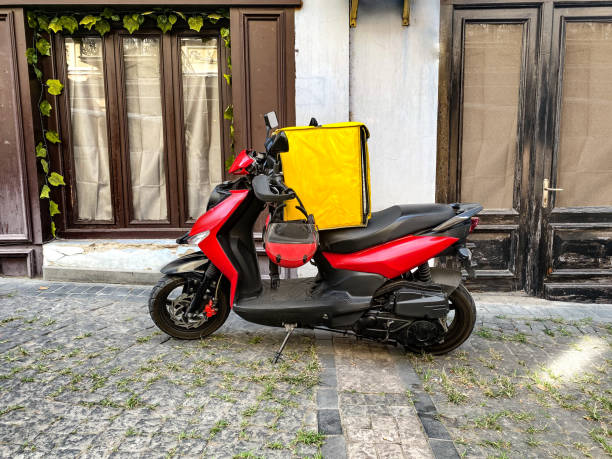
Electric scooters are becoming an increasingly practical option for short-distance movement. They are compact, easy to store and powered by rechargeable batteries rather than petrol.
For someone moving around a university campus, estate, neighbourhood or other relatively short routes, an electric scooter can be convenient. But choosing one is not just about looking at the advertised speed or battery range. Tyres, brakes, battery quality, charging options, rider weight and the condition of the roads all matter.
What Is an Electric Scooter?
An electric scooter is a two-wheeled vehicle powered by an electric motor and rechargeable battery.
Most models have:
- An electric motor
- Rechargeable battery
- Handlebar controls
- Throttle or acceleration control
- Braking system
- Front and rear lights
- Pneumatic or solid tyres
- Display showing information such as speed and battery level
Some models fold, making them easier to carry or store inside a home, office or vehicle.
How Do Electric Scooters Work?
The battery supplies electricity to the motor. When the rider activates the throttle, the motor provides power to turn the wheel.
The amount of range available depends on several factors, including:
- Battery capacity
- Rider weight
- Speed
- Road surface
- Hills and slopes
- Tyre pressure
- Weather
- Riding mode
- Frequent acceleration and braking
This means the advertised maximum range should not automatically be treated as the exact distance you will achieve on Nigerian roads.
Are Electric Scooters Good for Nigerian Roads?
It depends heavily on where you intend to ride.
Smooth roads, estates, campuses and well-maintained neighbourhood routes can be suitable for many electric scooters. Rough roads, deep potholes, loose gravel and flooded areas can be much more challenging.
If your regular route contains potholes, look for a scooter with appropriate tyres and suspension rather than choosing purely based on speed.
You should also consider whether your route has safe space for a scooter and whether local traffic rules permit the type of scooter you intend to use.
What to Check Before Buying an Electric Scooter
Do not buy an electric scooter based only on its appearance.
Check these areas first:
Battery
Battery capacity affects how far the scooter can travel between charges. Ask about the battery specification, expected range and replacement availability.
Motor
Motor power affects acceleration and the scooter’s ability to handle inclines and heavier loads.
Tyres
Pneumatic tyres can provide more cushioning on uneven surfaces but can suffer punctures. Solid tyres eliminate ordinary punctures but can provide a firmer ride.
Brakes
Check whether the scooter uses mechanical, electronic or combined braking. A reliable braking system is particularly important when riding around traffic.
Suspension
Suspension can make a noticeable difference on uneven roads. It is particularly useful if your regular route is not perfectly smooth.
Maximum Load
Check the manufacturer’s recommended rider weight. Carrying more weight than the scooter is designed for can affect acceleration, braking and range.
Electric Scooter Battery and Charging
Charging is one of the most important parts of owning an electric scooter.
Use the charger recommended for your particular model and avoid using an incompatible charger simply because its plug fits.
When charging:
- Keep the charger and charging area dry
- Inspect the charging cable for damage
- Avoid charging a wet scooter
- Keep the scooter away from excessive heat
- Follow the manufacturer’s charging instructions
- Do not cover the charger in a way that prevents heat from escaping
If the battery or charger becomes unusually hot, swollen, damaged or starts producing an unusual smell, stop using it and seek qualified assistance.
How Long Does an Electric Scooter Battery Last?
Battery lifespan varies according to the battery chemistry, quality, charging habits, temperature, usage and manufacturer.
A scooter used aggressively every day will experience different battery wear from one used occasionally for short trips.
Instead of waiting until the battery completely fails, pay attention to changes such as:
- Noticeably shorter range
- Sudden battery percentage drops
- Unexpected shutdowns
- Slower acceleration
- Charging problems
- Excessive heat during charging
These can indicate that the battery or another electrical component needs inspection.
Electric Scooter Safety
An electric scooter may be smaller than a car, but it can still cause serious injury in a crash.
Wear a properly fitted helmet and consider additional protective equipment, especially when learning.
Before riding, check:
- Brakes
- Tyres
- Handlebar
- Lights
- Battery level
- Folding mechanism
- Visible bolts and connections
Avoid carrying loads that interfere with your steering or ability to brake.
Be particularly careful around vehicles, pedestrians, motorcycles and uneven road surfaces.
Riding an Electric Scooter in Rain
Do not assume every electric scooter is waterproof.
Some models have water-resistance ratings, but that does not mean they are designed to be submerged or ridden through deep floodwater.
If rain begins during a ride, reduce your speed and be careful because wet surfaces can reduce grip and increase stopping distance.
Never deliberately ride through deep standing water, particularly when you do not know the scooter’s water-resistance limits.
After a wet ride, allow the scooter to dry properly before charging it.
Electric Scooter Tyres
Tyres have a direct effect on comfort, handling and safety.
If your scooter uses pneumatic tyres, check the pressure regularly. An underinflated tyre can increase rolling resistance and make the scooter feel less stable.
Also inspect for:
- Cuts
- Cracks
- Embedded objects
- Excessive wear
- Slow punctures
If your scooter uses solid tyres, inspect them for cracking and excessive wear instead.
How to Maintain an Electric Scooter
Electric scooters do not require the same servicing routine as petrol cars, but they still need regular attention.
A basic maintenance routine should include:
- Checking tyre condition and pressure.
- Testing the brakes.
- Inspecting bolts and the folding mechanism.
- Checking lights and controls.
- Cleaning dirt from the scooter.
- Inspecting the charging port.
- Monitoring battery performance.
- Checking for unusual sounds or movement.
Do not ignore a loose handlebar, damaged brake or unstable folding mechanism.
Electric Scooter vs Motorcycle
An electric scooter is generally designed for a different type of journey from a motorcycle.
A motorcycle is better suited to longer distances, higher speeds and carrying larger loads. An electric scooter can be more convenient for short urban journeys where compact size and easy storage are important.
The right option depends on your route, distance, road conditions, budget and local requirements.
Electric Scooter vs Bicycle
Electric scooters and bicycles can both work for short-distance transportation, but they offer different riding experiences.
A scooter requires less physical effort, while a conventional bicycle provides exercise and does not depend on battery charging.
For someone travelling between nearby locations several times a day, an electric scooter may provide convenient assisted movement. For someone who wants physical exercise, a bicycle may be more appropriate.
Electric Scooters and Nigerian Electricity
Charging access is an important consideration in Nigeria. A scooter may not require a dedicated charging station because many smaller electric two-wheelers can be charged from ordinary electrical outlets, but reliable electricity still matters.
Before buying, think about where you will charge it and whether you can safely charge it at home, school, work or another regular location.
Having a charging plan is just as important as checking the scooter’s advertised range.
Buying a Used Electric Scooter
A used electric scooter can be cheaper, but inspect it carefully before paying.
Check:
- Battery condition
- Charging behaviour
- Motor performance
- Brake response
- Tyres
- Frame
- Folding mechanism
- Display
- Lights
- Charger
- Signs of water damage
If possible, test ride it in a safe area before completing the purchase.
A scooter that looks clean externally can still have a worn battery or electrical problem.
Are Electric Scooters Suitable for Long Trips?
Most compact electric scooters are better suited to relatively short journeys than long-distance travel.
If you regularly travel between distant areas, consider the charging time, available charging points, road conditions and the possibility of battery depletion before reaching your destination.
For longer Nigerian journeys, conventional transport or vehicle-based travel may be more practical.
Using Travo.ng for Your Wider Journey
An electric scooter can handle part of a short journey, but it may not be suitable for every leg of a trip.
For longer journeys, airport transfers, hotel stays, transport coordination and other travel arrangements, Travo.ng can help organise the wider journey around your needs.
This can be useful when your scooter covers your local movement while another form of transport handles the longer-distance part of your trip.
Final Checks Before You Ride
Before setting off on an electric scooter, take a few seconds to check:
- Battery level
- Tyre condition
- Brakes
- Lights
- Handlebar
- Folding mechanism
- Road conditions
A quick inspection can help you catch a problem before it becomes a roadside breakdown.
Electric scooters can be a convenient option for short-distance mobility, but the best experience comes from choosing a model that matches your route, maintaining it properly and riding according to the conditions around you.
