


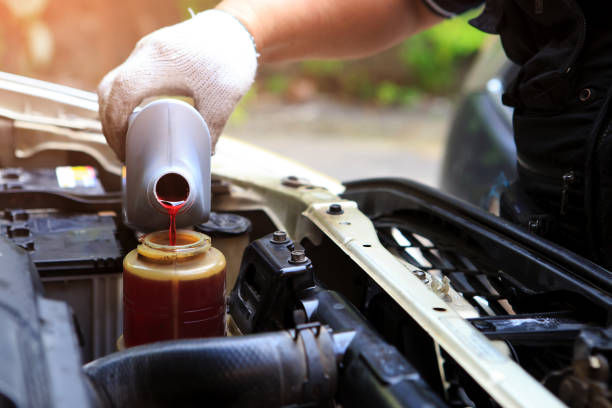
Power steering fluid helps make steering easier in vehicles that use hydraulic or electro-hydraulic power steering systems. When the fluid level is too low or the wrong fluid is used, steering can become heavier and the system may develop noises or other problems.
However, not every modern car uses power steering fluid. Vehicles with electric power steering do not have a hydraulic fluid reservoir at all, so it is important to know which system your car uses before buying or adding fluid.
What Is Power Steering Fluid?
Power steering fluid is a hydraulic fluid used in some steering systems to transfer pressure from the power steering pump to the steering mechanism.
This hydraulic assistance reduces the effort needed to turn the steering wheel, particularly when parking or manoeuvring at low speeds.
The exact fluid required depends on the vehicle. Some systems use dedicated power steering fluid, while others specify a particular type of automatic transmission fluid or another manufacturer-approved hydraulic fluid.
Does Every Car Use Power Steering Fluid?
No.
Some vehicles use hydraulic power steering, while others use electric power steering.
An electric power steering system does not require power steering fluid because it uses an electric motor and control electronics rather than hydraulic fluid.
If your vehicle does not have a power steering fluid reservoir, do not try to add fluid somewhere else under the bonnet. Check the owner’s manual to identify the type of steering system fitted to the car.
What Does Power Steering Fluid Do?
In a hydraulic steering system, the fluid helps transmit hydraulic pressure through the system.
It also provides lubrication and helps protect internal components.
When the fluid level is too low, the pump may struggle to operate correctly. This can result in increased steering effort or a whining noise, particularly while turning.
How to Check Power Steering Fluid
If your car has hydraulic power steering, locate the power steering reservoir under the bonnet.
Many reservoirs have MIN and MAX markings or separate HOT and COLD indicators.
A general checking process is:
- Park the car on level ground.
- Switch off the engine and follow the vehicle manufacturer’s instructions for checking temperature.
- Clean around the reservoir cap.
- Check the fluid level against the correct marking.
- Add only the specified fluid if the level is low.
- Avoid overfilling the reservoir.
The exact checking procedure varies between vehicles, so the owner’s manual should take priority.
What Type of Power Steering Fluid Does Your Car Need?
There is no universal power steering fluid that is suitable for every vehicle.
Some cars require dedicated power steering fluid, while others may specify a particular ATF or manufacturer-specific hydraulic fluid.
Do not choose fluid based only on its colour. Similar-looking fluids can have different specifications and may not be compatible.
Before buying, check:
- Owner’s manual
- Reservoir cap
- Manufacturer specification
- Vehicle make and model
- Recommended fluid type
Using the wrong fluid can damage seals, pumps or other steering components.
Signs of Low Power Steering Fluid
Low fluid can produce noticeable symptoms.
You may experience:
- Heavier steering
- Whining or groaning when turning
- Steering that feels inconsistent
- Difficulty manoeuvring at low speed
- Fluid visible around the reservoir or steering components
- A power steering warning in some vehicles
If the fluid level keeps dropping, topping it up repeatedly is not a proper solution. A leak or another system fault may need to be identified.
Why Is My Power Steering Fluid Low?
Power steering fluid should not normally disappear quickly from a healthy hydraulic system.
A low level can be caused by a leak from areas such as:
- Power steering hoses
- Hose connections
- Pump seals
- Steering rack
- Reservoir
- Other hydraulic components
A small leak may initially be difficult to notice, especially if fluid is escaping slowly.
If you repeatedly need to add fluid, have the system inspected rather than continuing to top it up.
Can You Drive With Low Power Steering Fluid?
It depends on how low the level is and what the vehicle manufacturer recommends, but driving for an extended period with insufficient fluid can damage a hydraulic power steering system.
The pump may run without adequate lubrication or draw in air, potentially creating noise and increasing wear.
If steering suddenly becomes much heavier, stop somewhere safe and investigate the problem rather than continuing a long journey.
Power Steering Fluid vs Brake Fluid
These fluids are not interchangeable.
Power steering fluid is designed for the specific hydraulic steering system, while brake fluid is used in the vehicle’s braking system.
Never add brake fluid to a power steering reservoir or power steering fluid to a brake-fluid reservoir.
If you are unsure which reservoir you are looking at, check the markings and owner’s manual before adding anything.
Should You Change Power Steering Fluid?
There is no single replacement interval that applies to every vehicle.
Some manufacturers provide a specific service schedule, while others may only require inspection or servicing when there is a problem or according to particular maintenance conditions.
The condition of the fluid and the manufacturer’s recommendation should guide the decision.
If the fluid appears contaminated or the steering system develops symptoms, have it inspected rather than simply adding more fluid.
What If the Steering Makes a Whining Noise?
A whining sound when turning can be associated with low fluid or air entering a hydraulic steering system.
However, the noise does not automatically mean the fluid is the only problem.
A worn pump, leak, restricted hose or another steering-system fault can produce similar symptoms.
If the noise continues after the fluid has been checked and brought to the correct level, the system should be diagnosed.
Power Steering Fluid and Nigerian Driving
Power steering is particularly noticeable during low-speed manoeuvres such as parking, turning into tight spaces and navigating busy areas.
Regular checks can be useful if your vehicle uses hydraulic power steering, especially before long trips.
Before an interstate journey, check the fluid level, inspect for visible leaks and pay attention to any unusual steering noise or changes in steering effort.
Common Power Steering Fluid Mistakes
Avoid these common mistakes:
Using Any Fluid That Looks Similar
Colour is not a reliable way to identify compatibility. Always check the required specification.
Overfilling the Reservoir
Do not fill beyond the manufacturer’s recommended level.
Ignoring a Leak
Adding fluid repeatedly without finding the source can allow a small problem to become a larger repair.
Driving With Heavy Steering
A sudden change in steering effort should not be ignored, particularly before a long journey.
Confusing Electric and Hydraulic Steering
If your car uses electric power steering, there may be no fluid reservoir to maintain.
When to See a Mechanic
Get professional help if you notice:
- Persistent steering noise
- Fluid leaking under the vehicle
- Repeatedly low fluid
- Heavy or inconsistent steering
- Difficulty turning the steering wheel
- Steering warning lights
- Damage around hoses or steering components
Steering is a safety-critical system, so unusual behaviour should be investigated rather than ignored.
For drivers preparing for long-distance travel, resolving steering problems before leaving is especially important. If a vehicle issue affects your travel plans, Travo.ng can also assist with relevant travel and mobility arrangements.
The most important rule with power steering fluid is simple: use the exact fluid specification required by your vehicle and investigate any unexplained fluid loss. A small fluid check can help identify a steering problem before it becomes a roadside emergency.
