


Coolant for a car is not simply something you add when the temperature gauge starts rising. The cooling system plays an important role in keeping the engine within its normal operating temperature and protecting components from corrosion and deposits.
This becomes particularly important in Nigeria, where high temperatures, heavy traffic and long journeys can place additional demands on a vehicle’s cooling system.
Knowing what coolant your car needs and how to check the level can help you spot problems before they become expensive repairs.
What Does Coolant Do in a Car?
Engine coolant circulates through the cooling system, absorbing heat from the engine and carrying it to the radiator where the heat can be released.
Coolant also contains additives designed to help protect the cooling system from corrosion and deposits.
Although people sometimes call it antifreeze, the exact formulation varies between products. The important thing is to use a coolant that meets the specification required for your vehicle.
Can You Use Water Instead of Coolant?
Water can help cool an engine, but it is not normally a suitable long-term replacement for the correct coolant mixture.
Using plain water for an extended period can leave the cooling system without the protection provided by the additives in proper coolant.
If the coolant level is dangerously low during a journey and you need to prevent overheating, adding suitable water may be an emergency measure depending on the situation. The cooling system should then be checked and the correct coolant mixture restored as soon as possible.
Never open a hot radiator cap simply to check or add coolant. Hot coolant and steam can cause serious burns.
What Type of Coolant Does Your Car Need?
There is no single coolant that is correct for every vehicle.
Different manufacturers and engines can require different coolant technologies and specifications. Coolant colour should not be used as the main way of deciding whether two products are compatible.
Before buying coolant, check:
- Vehicle make and model
- Engine type
- Owner’s manual
- Manufacturer coolant specification
- Recommended coolant concentration
- Whether the product is ready-mixed or concentrated
If you are unsure, ask a qualified mechanic or use the manufacturer’s recommended specification.
Should You Mix Different Coolants?
It is better not to mix different coolant types unless you know they are compatible.
Two products can look similar while using different additive technologies. Mixing incompatible coolants can reduce the protection provided to the cooling system or create other problems.
If you do not know what is already in the vehicle, have the system checked before adding a different coolant.
How to Check Coolant Level
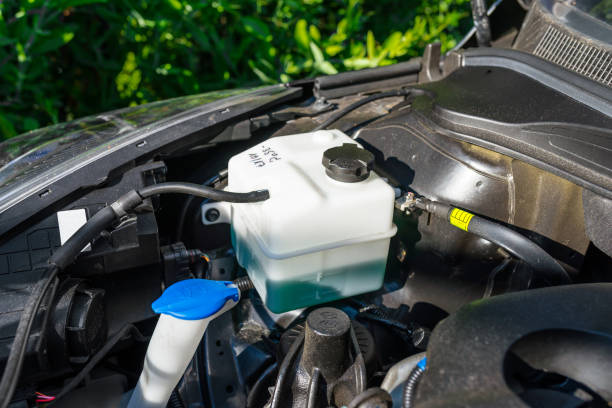
Checking the coolant level is relatively simple when the engine is cold.
Locate the coolant expansion reservoir under the bonnet. You should normally see minimum and maximum markings on the side.
If the level is below the recommended mark, the system may need attention.
Do not remove a pressurised radiator cap while the engine is hot. Allow the engine to cool before opening the system.
If you repeatedly need to add coolant, do not simply keep topping it up. There may be a leak or another cooling-system problem.
Signs Your Car May Have a Coolant Problem
Pay attention to warning signs such as:
- Engine temperature rising
- Temperature warning light
- Coolant warning message
- Low coolant level
- Coolant leaking under the car
- Sweet-smelling liquid around the engine bay
- Steam from the engine area
- Heater performance changing unexpectedly
- Repeated need to top up coolant
Some problems are obvious, while others may start with a slow coolant loss.
Why Is My Car Losing Coolant?
Coolant should not normally disappear quickly from a healthy cooling system.
Possible causes include:
- Damaged radiator
- Leaking hose
- Loose connection
- Faulty water pump
- Damaged expansion tank
- Faulty radiator cap
- Heater-system leak
- Head gasket or other engine problem
The source of a leak is not always immediately visible. Coolant can escape from a small crack or connection and may only become obvious when the engine reaches operating temperature.
What Happens If the Engine Runs Out of Coolant?
Low coolant can cause the engine to overheat.
Continuing to drive an overheating vehicle can result in serious engine damage. Depending on the severity of the problem, repairs can involve components such as the head gasket, cylinder head or other parts of the engine.
If the temperature gauge rises unusually high or a temperature warning appears, find a safe place to stop and switch off the engine. Do not continue driving simply because the car is still moving.
Coolant and Nigerian Traffic
Heavy traffic can make cooling-system problems more noticeable.
When a vehicle spends a long time moving slowly or sitting in traffic, the cooling system still needs to remove heat from the engine.
A properly maintained cooling system should be capable of handling normal operating conditions, but problems with the radiator, cooling fan, thermostat, water pump or coolant level can become more apparent during extended traffic.
If your temperature rises repeatedly in traffic, have the cooling system diagnosed rather than simply adding more coolant.
Coolant Maintenance
Cooling-system maintenance depends on the vehicle and coolant specification.
Follow the manufacturer’s recommended replacement interval and use the correct coolant.
During routine servicing, it can also be useful to inspect:
- Radiator condition
- Coolant hoses
- Hose connections
- Expansion tank
- Radiator cap
- Cooling fan
- Drive belts where applicable
- Water pump
- Thermostat
A small leak is easier to deal with before it becomes a roadside breakdown.
Coolant for Long-Distance Driving
Before travelling between cities, check the coolant level when the engine is cold.
Also look underneath the car for signs of leakage and inspect the visible hoses and reservoir.
If the vehicle has previously overheated or regularly loses coolant, fix the problem before starting a long journey.
Carrying the correct coolant can also be useful on longer trips, but it should not be used to hide a leak that needs repair.
Coolant vs Engine Oil
Coolant and engine oil perform completely different jobs.
Coolant controls engine temperature and protects the cooling system, while engine oil lubricates moving engine components and helps manage heat and friction inside the engine.
They should never be treated as interchangeable fluids.
If you notice a substance that looks unusual in the coolant reservoir or engine oil, get the vehicle inspected.
Can You Change Car Coolant Yourself?
Some experienced car owners can perform a coolant change themselves, but the procedure must be done correctly.
The engine should be completely cool, the correct coolant should be used and the system may need to be properly drained, refilled and bled according to the vehicle manufacturer’s procedure.
Improper bleeding can leave air trapped in the cooling system.
If you are unfamiliar with the cooling system, having the work done by a qualified mechanic is safer.
Don’t Ignore Coolant Warnings
A coolant warning should not be treated as a minor dashboard message.
If your vehicle is losing coolant, overheating or repeatedly requiring top-ups, the important question is why it is happening.
For drivers using their vehicles for business, family trips or interstate travel, resolving cooling-system problems before a journey can help prevent an avoidable breakdown. If a vehicle issue disrupts your travel plans, Travo.ng can assist with relevant travel and mobility arrangements.
The right coolant, regular checks and early attention to leaks can go a long way towards keeping your engine operating reliably, especially when driving in heavy traffic or making long journeys.
