


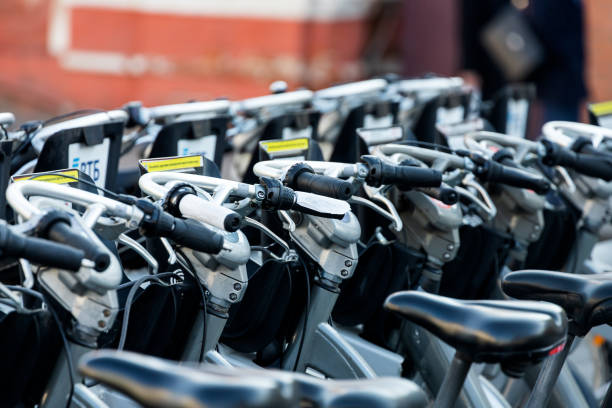
An e bike, or electric bike, is a bicycle fitted with an electric motor and rechargeable battery that helps the rider move with less physical effort. They are becoming more relevant for commuting, short-distance trips and delivery work, especially in busy Nigerian cities.
Unlike a conventional motorcycle, an e bike does not depend on petrol to move. Depending on the model, the rider can pedal normally while receiving assistance from the electric motor.
For someone considering an e bike in Nigeria, the important questions are not just how fast it can go or how much it costs. Battery quality, range, charging, spare parts, road conditions and the type of work you intend to do all matter.
How Does an E Bike Work?
The basic system consists of a battery, electric motor, controller, charger and bicycle components such as wheels, brakes and gears.
When the motor is activated, it provides additional power to help the rider accelerate or maintain movement. Some e bikes provide assistance when you pedal, while others have controls that allow the motor to propel the bike directly.
The battery determines how much electrical energy the bike can store. Once the battery is low, it needs to be recharged before the bike can continue operating electrically.
What Can You Use an E Bike For?
An e bike can be useful for several types of short and medium-distance journeys.
Common uses include:
- Going to work or school
- Running errands around town
- Food delivery
- Courier and parcel delivery
- Moving around estates and residential areas
- Short business trips
- Personal transportation
- Last-mile logistics
For delivery riders, the electric assistance can reduce some of the physical effort involved in riding throughout the day.
E Bike for Delivery Work
Delivery is one of the areas where an e bike can make practical sense.
A rider moving food, documents, groceries or small parcels around a city may spend a significant amount of time travelling between customers. An electric cargo bike can provide motor assistance while also carrying a suitable load.
However, not every e bike is designed for commercial delivery.
A normal recreational e bike may not have the frame strength, cargo capacity, battery size or component durability required for repeated deliveries.
Before using one for work, check the manufacturer’s recommended load capacity and make sure the battery and motor are suitable for the distance you expect to cover.
How Far Can an E Bike Travel?
There is no single answer because range depends on the battery and how the bike is used.
Factors that affect range include:
- Battery capacity
- Rider weight
- Cargo weight
- Road conditions
- Hills and inclines
- Riding speed
- Frequency of motor assistance
- Tyre pressure
- Battery age
- Weather conditions
A bike may achieve a particular range under controlled conditions but deliver a different result when used heavily on Nigerian roads with a rider and cargo.
If you are buying an e bike for delivery, calculate your expected daily distance rather than relying only on the advertised maximum range.
Battery Quality Matters
The battery is one of the most important parts of an e bike.
A cheap bike with a poor-quality or ageing battery may become expensive to operate if the battery loses capacity quickly or replacement options are difficult to find.
Before buying, ask:
- What is the battery capacity?
- Is the battery new?
- Who manufactured it?
- What charger does it use?
- How long does a full charge take?
- Can a replacement battery be purchased locally?
- Is there a warranty?
- How much does a replacement battery cost?
These questions become even more important if the bike will be your main source of income.
Charging an E Bike in Nigeria
Charging is another practical issue to consider.
If you use the bike daily, you need a reliable place to charge it. A rider who finishes work with a low battery needs to know whether the bike can be charged before the next shift.
At home, keep the charger and battery in a suitable dry location and follow the manufacturer’s charging instructions.
Avoid using damaged chargers, modified electrical connections or unsuitable power equipment simply to get the bike charging faster.
Can You Use an E Bike on Nigerian Roads?
The answer depends on the specific type of electric bike and the applicable road and vehicle rules.
Not every electrically powered two-wheeler is the same. Some are designed primarily as bicycles with electric assistance, while others are closer in design and performance to electric motorcycles.
Before buying one for regular road use, check the applicable requirements for the type of vehicle you are purchasing and the area where you intend to ride.
Safety should also be treated seriously. Use appropriate protective equipment, functioning lights and reliable brakes, especially when riding around busy traffic.
E Bike vs Petrol Motorcycle
For short urban journeys, an e bike can offer a different operating model from a petrol motorcycle.
An electric bike does not require petrol, while a conventional motorcycle depends on fuel. The e bike also has a simpler drivetrain than a petrol engine, although it still has components that require maintenance.
A petrol motorcycle may offer greater range and faster refuelling, while an e bike can be practical for shorter routes where charging is manageable.
The right choice depends on distance, workload, road conditions, cargo requirements and how frequently the vehicle will be used.
What to Check Before Buying an E Bike
Do not choose an e bike based only on appearance.
Check the following before paying:
- Battery: Confirm capacity, condition, warranty and replacement availability.
- Motor: Know the motor specification and whether it is suitable for your intended use.
- Brakes: Make sure the braking system is appropriate for the bike and expected load.
- Frame: Check that the frame feels strong and suitable for your weight and cargo.
- Tyres: Choose tyres appropriate for the roads you regularly use.
- Spare parts: Ask whether important components can be sourced locally.
- Charger: Confirm that the charger is compatible with the battery.
- Warranty: Understand exactly what the warranty covers.
- After-sales support: Find out where repairs will be handled.
- Total cost: Consider maintenance and battery replacement, not just the purchase price.
E Bike Maintenance
An e bike still needs regular maintenance even though it does not have a petrol engine.
Check the tyres regularly and maintain the recommended pressure. Inspect the brakes, chain, gears, wheels and other moving parts.
Keep electrical connections protected from unnecessary water exposure and follow the manufacturer’s instructions when cleaning the bike.
If the bike starts losing range unusually quickly, cutting out during rides or showing electrical faults, have it checked rather than continuing to use it until a major failure occurs.
Is an E Bike Good for Nigerian Traffic?
For short urban routes, an e bike can be useful where traffic makes conventional car journeys slow.
It can be particularly practical for short-distance movement around residential areas, campuses, business districts and delivery routes.
However, riders still need to account for potholes, flooding, poor road surfaces, heavy traffic and weather conditions. These factors can affect both the rider and the mechanical and electrical components of the bike.
Planning the route before leaving can make a significant difference.
E Bike for Business and Logistics
Businesses that make frequent short-distance deliveries can also consider e bikes as part of their logistics operation.
Restaurants, pharmacies, online stores, supermarkets and courier businesses may use suitable electric bikes for last-mile deliveries where the distance and cargo requirements make sense.
For a business, the important calculation is the total cost of keeping the bike operational. Purchase price is only one part of that calculation. Battery replacement, tyres, brakes, servicing, downtime and spare parts should also be considered.
E Bike and Travo.ng
For people using an e bike as part of their wider mobility or delivery activities, planning the rest of the journey is equally important. Travo.ng provides travel and logistics-related services that can support customers with transportation, delivery, bookings and other movement needs.
Whether you are commuting, travelling between cities or managing deliveries, having the right transport option for each part of the journey can make your movement more organised and predictable.
Final Checks Before Buying
An e bike can be a practical alternative for short-distance transportation and certain delivery operations, but the right model depends on how you intend to use it.
Before buying, look beyond the advertised speed and price. Check the battery, range, load capacity, motor, brakes, spare parts, warranty and after-sales support.
If you plan to use the bike commercially, choose one designed for the workload rather than simply buying the cheapest model available.
