


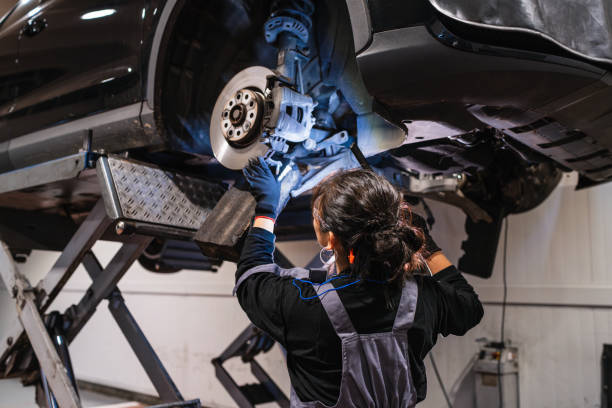
Brake pads are one of the most important parts of a vehicle’s braking system. They press against the brake disc to slow down or stop the vehicle, so worn or damaged pads should not be ignored.
For Nigerian drivers dealing with traffic, frequent stops and long journeys, checking brake pads regularly can help identify problems before they affect braking performance.
What Are Brake Pads?
Brake pads are friction components fitted inside a vehicle’s braking system. When you press the brake pedal, the brake pads are pushed against the brake disc or rotor, creating friction that slows the wheel.
Brake pads gradually wear down during normal driving and eventually need replacement.
The exact type and size of brake pad required depends on the vehicle’s make, model, year and braking system.
Signs Your Brake Pads May Be Worn
Common warning signs include:
- Squealing or high-pitched braking noises
- Grinding sounds
- Longer stopping distances
- A brake pedal that feels different
- Vehicle pulling when braking
- Noticeable vibration
- Brake warning light
- Visible reduction in brake-pad material
- A burning smell after heavy braking
A small amount of noise does not always mean the pads are finished, but persistent or unusual braking sounds should be investigated.
How Long Do Brake Pads Last?
There is no single replacement interval that applies to every vehicle.
Brake-pad life depends on factors such as:
- Driving style
- Traffic conditions
- Vehicle weight
- Road conditions
- Brake-pad material
- Vehicle type
- Frequency of braking
A car used regularly in heavy Lagos traffic may experience more frequent braking than one driven mainly on open highways.
Instead of waiting for a specific mileage, have the brake pads inspected during routine servicing.
Brake Pads vs Brake Discs
Brake pads and brake discs work together, but they are different components.
The pads provide the friction, while the brake disc is the rotating surface against which the pads press.
Replacing brake pads does not necessarily mean the discs also need replacement. However, badly worn, cracked, warped or excessively scored discs may require additional work.
A mechanic should inspect both components before replacing anything.
Can You Drive With Worn Brake Pads?
It depends on how severely the pads are worn.
If you notice grinding, significantly reduced braking performance, a brake warning light or difficulty stopping, avoid continuing to drive unnecessarily.
Severely worn brake pads can allow the backing plate to contact the brake disc, potentially causing additional damage and increasing repair costs.
If braking performance has changed suddenly, have the vehicle inspected as soon as possible.
What Happens During Brake Pad Replacement?
A proper brake-pad replacement should involve more than simply installing new pads.
The technician should inspect relevant braking components and confirm that the replacement pads are suitable for the vehicle.
Depending on the vehicle, the process may include:
- Removing the wheel.
- Inspecting the brake assembly.
- Removing the worn pads.
- Checking the brake disc.
- Installing the correct replacement pads.
- Reassembling the brake system.
- Checking brake operation.
- Testing the vehicle safely.
Some vehicles may require additional procedures after pad replacement, depending on their braking system.
Should You Replace Brake Pads in Pairs?
Brake pads are normally replaced as an axle set rather than replacing only one pad.
For example, if the front brake pads need replacement, the appropriate front set should generally be replaced together so braking performance remains balanced.
Your mechanic should inspect both sides of the axle before recommending replacement.
Brake Pads and Nigerian Roads
Heavy traffic, frequent stop-and-go driving, steep roads and carrying heavy loads can increase brake usage.
Drivers who regularly travel through busy areas of Lagos, Abuja, Ibadan or other major cities should pay attention to changes in braking behaviour.
After driving through deep water or heavy rain, braking performance can temporarily feel different. Allow the brakes to operate normally and check them if the problem persists.
Brake Pads for Business and Delivery Vehicles
Businesses operating delivery vehicles, taxis, company cars and logistics vehicles should include brake inspections in their maintenance schedules.
Fleet operators should record:
- Vehicle mileage
- Brake-pad replacement date
- Brake-disc condition
- Brake-fluid checks
- Driver-reported brake problems
- Unusual noises
- Previous brake repairs
Vehicles carrying heavy loads or making frequent deliveries may require closer monitoring because of increased braking demands.
How Much Do Brake Pads Cost?
Brake-pad prices vary considerably depending on the vehicle and the pad brand.
The total repair cost may include:
- Brake pads
- Labour
- Inspection
- Brake-disc replacement if required
- Other braking components if damaged
A brake pad for a small economy car will not necessarily cost the same as one for an SUV, pickup or premium vehicle.
Before approving a repair, ask the mechanic for the price of the pads, labour and any additional parts separately.
Tribal and Cultural Considerations
Nigeria’s vehicle owners and mechanics come from many different communities and cultural backgrounds. Brake maintenance should be based on the vehicle’s actual condition and manufacturer’s requirements rather than assumptions about tribe or location.
When taking your vehicle for brake work, clearly agree on the parts being replaced and the labour charge. If possible, ask to see the old brake pads after replacement.
How Travo.ng Can Help With Vehicle Logistics
Brake problems can disrupt airport trips, deliveries, relocation and long-distance journeys.
Travo.ng supports relevant mobility and logistics needs such as transport coordination, airport pickups, vehicle hire, relocation and delivery logistics.
If a vehicle develops a serious braking problem before an important journey, arranging alternative transportation may be safer than continuing to drive a vehicle that requires urgent repair.
Brake Pad Checklist
Before a long journey, check:
- Brake pedal feel
- Any unusual braking noise
- Brake warning lights
- Stopping performance
- Visible brake-pad condition where accessible
- Brake fluid level
- Tyre condition and pressure
If your brakes are making grinding noises, the vehicle is taking longer to stop or braking feels abnormal, get the system inspected before continuing a normal driving routine.
