


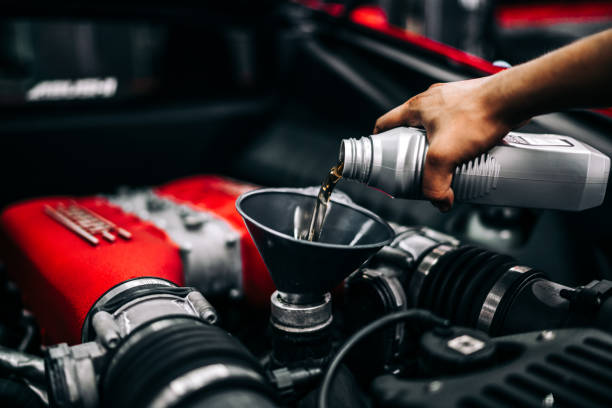
An oil and filter change is one of the basic maintenance jobs that keeps a vehicle’s engine properly lubricated and helps remove contaminants from the engine oil.
The oil protects moving engine components, while the oil filter helps remove contaminants from the oil as it circulates. The correct oil type and service interval depend on the vehicle and engine, so your owner’s manual should be the starting point when choosing engine oil. (api.org)
What Happens During an Oil and Filter Change?
A typical service involves draining the old engine oil, replacing the oil filter and adding the correct quantity of new oil.
A mechanic should generally:
- Position the vehicle safely.
- Drain the old engine oil.
- Remove the old oil filter.
- Check the filter mounting area.
- Install the correct replacement filter.
- Add the specified engine oil.
- Check the oil level.
- Start the engine and check for leaks.
- Recheck the oil level after the engine has been switched off and allowed to settle.
The exact procedure can vary between vehicles.
Why Change the Oil Filter?
The oil filter collects contaminants from the engine oil. As the filter becomes dirty, its ability to perform its intended filtering function can be affected.
This is why replacing the filter as part of the scheduled oil service is important rather than simply draining the old oil and adding new oil.
When buying oil, it is also worth checking that the product meets the specification required by your vehicle. API maintains current engine-oil service categories and advises vehicle owners to consult their owner’s manuals for the appropriate requirements. (api.org)
How Often Should You Change Engine Oil?
There is no single oil-change interval that applies to every vehicle.
The correct interval can depend on:
- Vehicle make and model
- Engine type
- Model year
- Oil specification
- Driving conditions
- Mileage
- Time since the previous service
- Manufacturer recommendations
Heavy traffic, frequent short journeys, extensive idling and demanding driving conditions can affect how a vehicle is used.
Rather than relying on a mechanic’s general rule for every car, check the manufacturer’s recommended service schedule.
How Do You Know Which Engine Oil to Use?
Do not choose engine oil based only on the brand or the number printed on the bottle.
You need to check the required:
- SAE viscosity
- API service category
- Manufacturer specification
- Engine type
- Oil capacity
For example, oils can have different viscosity grades such as 5W-30, 5W-40 or 10W-40, but that does not mean any of them is automatically suitable for your vehicle.
API specifically advises vehicle owners to consult the owner’s manual before selecting an engine-oil service category. (api.org)
What Happens If You Use the Wrong Oil?
Using an oil that does not meet the vehicle manufacturer’s requirements can affect engine protection and performance.
Some modern engines require specific oil specifications because of their design, emissions systems or other components.
For diesel vehicles, the correct specification is particularly important because some oils are designed for engines with specific emissions-control systems. API notes that certain diesel oil categories are not interchangeable, so the manufacturer’s recommendation should be followed. (api.org)
Should You Change the Filter Every Time?
For a normal oil-and-filter service, replacing the oil filter at the same time as the engine oil is common practice.
The exact filter must match the vehicle and engine. Avoid buying a filter simply because it looks similar to the old one.
Give the seller or mechanic:
- Vehicle make
- Model
- Model year
- Engine size
- Engine type
- Vehicle registration or VIN where needed
This reduces the chance of receiving the wrong filter.
Oil and Filter Change in Nigeria
Driving conditions in Nigeria can make regular vehicle maintenance especially important.
Lagos traffic can involve long periods of idling and slow-moving traffic, while vehicles travelling between Lagos, Ibadan, Abuja, Ilorin and other cities may accumulate significant mileage.
Dust, road conditions, frequent short trips and heavy vehicle use are also reasons to follow the manufacturer’s maintenance schedule rather than waiting until the engine develops a problem.
Signs You May Need an Oil Service
Do not wait for an engine problem before checking your maintenance schedule.
Pay attention to:
- Oil-change reminder or service warning
- Oil level dropping unusually quickly
- Oil leaks
- Unusual engine noise
- Excessively dirty engine oil
- Previous service interval being overdue
- Poor maintenance records on a recently purchased used vehicle
If the oil level is dangerously low, adding the correct oil may be necessary before driving, but this does not replace investigating why the oil level dropped.
How Much Does an Oil and Filter Change Cost?
The total cost depends on the vehicle, engine-oil specification, oil quantity, filter brand and labour charge.
A small petrol car may require less oil than a large SUV or diesel vehicle, while some newer or premium vehicles require more specialised oil.
Before approving the service, ask for a breakdown of:
- Engine oil cost
- Oil filter cost
- Labour charge
- Any additional inspection or service charges
- Recommended additional repairs
This makes it easier to compare prices without choosing an unsuitable oil simply because it is cheaper.
Oil and Filter Change for Business Vehicles
For businesses operating cars, vans and delivery vehicles, oil servicing should be part of routine fleet maintenance.
Keep a record of:
- Vehicle registration
- Current mileage
- Oil specification
- Oil quantity
- Filter replaced
- Date of service
- Next service due
- Additional repairs identified
This can prevent a vehicle from being used far beyond its recommended service interval and reduce unexpected disruption to deliveries or transportation.
Tribal and Cultural Considerations When Choosing a Mechanic
Nigeria has diverse communities and different approaches to vehicle maintenance, but the quality of an oil service should be judged by the work performed and whether the correct products and procedures are used, not by assumptions about a mechanic’s tribe or background.
Before the service begins, clearly agree on the oil specification, filter, labour cost and any additional work. If someone else is taking the family or business vehicle for servicing, give them the same instructions.
How Travo.ng Can Help With Vehicle Logistics
An overdue service can become a problem when a vehicle is needed for an important journey, delivery or relocation.
Travo.ng supports relevant mobility and logistics needs such as transport coordination, vehicle hire, airport pickups, relocation and delivery logistics.
For businesses that depend on vehicles, combining proper maintenance planning with reliable transport and logistics arrangements can help reduce disruptions when a vehicle needs to spend time at a workshop.
Oil and Filter Change Checklist
Before leaving the workshop, confirm:
- Correct engine oil was used
- Correct oil quantity was added
- Oil filter was replaced
- Oil level was checked
- There are no visible oil leaks
- Service date and mileage were recorded
- Next service interval was noted
- Any additional vehicle problems were explained
A proper oil and filter change is more than simply pouring new oil into the engine. The correct oil specification, filter and service procedure all matter for maintaining the vehicle.
