


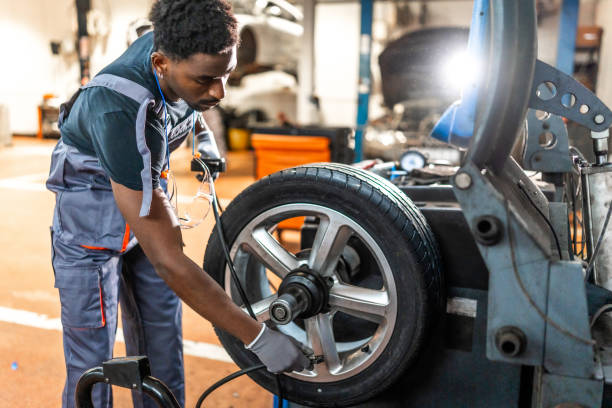
Buying new tyres is an important part of vehicle maintenance. Tyres affect braking, handling, comfort and how your car behaves on wet or rough roads.
For Nigerian drivers, choosing the right tyres also means considering everyday traffic, potholes, long-distance trips, dusty roads and the amount of weight the vehicle normally carries.
When Should You Buy New Tyres?
You may need new tyres when you notice:
- Worn tread
- Cracks or cuts on the sidewall
- Bulges or unusual deformation
- Frequent punctures
- Uneven tread wear
- Continuous loss of air
- Poor grip, especially on wet roads
- Visible damage after hitting a pothole
A tyre with serious sidewall damage or a major structural problem should not simply be patched and reused. It should be inspected by a qualified tyre professional. (Michelin Africa)
Check the Correct Tyre Size Before Buying
Do not buy a tyre simply because it looks like it will fit your car.
Check the tyre size currently specified for your vehicle. You can normally find the relevant size information on the tyre itself, the vehicle’s door area or in the owner’s manual. Tyre markings contain information such as width, aspect ratio, wheel diameter, load index and speed rating. (Michelin Africa)
For example, a marking such as 225/55 R17 contains information about the tyre’s width, sidewall ratio, construction and wheel size.
If you are unsure, give the tyre seller your exact car make, model and year and ask them to confirm the correct specification.
New Tyres vs Used Tyres
Used tyres may cost less initially, but you need to inspect them carefully before buying.
With a used tyre, check:
- Remaining tread
- Manufacturing condition
- Sidewall cracks
- Bulges
- Previous repairs
- Uneven wear
- Signs of prolonged exposure or deterioration
A tyre that looks good from the outside may still have internal damage, particularly if it has previously been driven underinflated or after a serious impact.
For drivers who depend heavily on their vehicle, buying appropriate new tyres can make vehicle maintenance easier because you know the history of the tyres being fitted.
Which Tyres Are Suitable for Nigerian Roads?
There is no single tyre type that is perfect for every Nigerian driver.
Someone driving mainly around Lagos in heavy traffic may have different requirements from someone regularly travelling long distances between Lagos, Ibadan, Abuja, Ilorin or other cities.
Consider:
- Road conditions on your regular routes
- Rainy-season driving
- Vehicle weight
- How frequently you travel
- Highway versus city driving
- Your vehicle manufacturer’s specifications
- Your budget
If you frequently carry passengers, luggage or business cargo, make sure the tyre’s load rating is appropriate for the vehicle.
Should You Replace Two or All Four Tyres?
If only two tyres need replacing, do not simply let the seller decide where they should go without considering the vehicle and tyre condition.
When only two new tyres are fitted, deeper-tread tyres are generally recommended on the rear axle because this can improve wet-road grip and vehicle stability. (Michelin Africa)
However, vehicles differ, particularly four-wheel-drive and all-wheel-drive vehicles. Follow the vehicle manufacturer’s requirements and get professional advice where necessary.
Check the Tyre Pressure After Installation
New tyres still need the correct air pressure.
Do not use the maximum pressure printed on the tyre sidewall as the normal operating pressure for your vehicle. Use the vehicle manufacturer’s recommended pressure, usually found on the driver’s door area, fuel-filler flap or owner’s manual. Front and rear pressures may also be different. (Michelin Africa)
Check tyre pressure regularly and before long journeys. Checking when the tyres are cold gives a more accurate reading. (Michelin Africa)
What Happens When New Tyres Are Fitted?
A proper tyre fitting should involve more than simply removing the old tyre and installing the new one.
The technician should:
- Remove the old tyre carefully.
- Inspect the wheel rim.
- Fit the new tyre correctly.
- Inflate it to the recommended pressure.
- Check the mounting and tread direction where applicable.
- Balance the wheel.
- Check for abnormal wear or alignment issues.
Professional fitting is recommended because incorrect installation can cause handling problems or damage. (Michelin Africa)
Do You Need Wheel Alignment After Getting New Tyres?
Not every new tyre automatically requires an alignment, but it is worth checking the alignment if your old tyres had uneven wear, the vehicle pulls to one side, the steering wheel is not centred or the car recently hit a major pothole.
If the underlying alignment problem is not corrected, your new tyres can start wearing unevenly.
Wheel balancing should also be checked when tyres are fitted, particularly if you experience steering vibration at certain speeds.
New Tyres for Business and Delivery Vehicles
For businesses using cars, vans and other vehicles for deliveries, transportation or logistics, tyre condition directly affects daily operations.
A damaged or worn tyre can leave a vehicle stranded during a delivery or trip. Businesses operating several vehicles should keep records of tyre changes, tyre sizes, pressure checks and unusual wear.
This also makes it easier to budget for replacements instead of waiting until a tyre becomes unsafe.
Tribal and Cultural Considerations When Buying New Tyres
Vehicle preferences can vary across Nigeria, including preferences for tyre brands, appearance and how much money owners are willing to spend on maintenance. These preferences should not be assumed based on tribe or cultural background.
For family or business vehicles, agree clearly on the required tyre size, budget and number of tyres before purchasing. Most importantly, make the decision based on the vehicle’s specifications and actual driving conditions.
How Travo.ng Can Help With Vehicle Logistics
New tyres are only one part of keeping a vehicle ready for travel and business operations.
Travo.ng can support relevant mobility and logistics needs including transport coordination, vehicle hire, airport pickups, relocation and delivery logistics.
For businesses that depend on vehicles, coordinating transportation and deliveries while keeping vehicles properly maintained can help reduce avoidable disruptions.
New Tyres Buying Checklist
Before paying for your tyres, confirm:
- Exact tyre size
- Load rating
- Speed rating
- Suitable tyre type
- Tyre condition and manufacturing details
- Number of tyres required
- Correct fitting
- Wheel balancing
- Alignment condition
- Correct tyre pressure
- Warranty or seller support
Do not choose new tyres based only on the cheapest price. The correct specification, condition, fitting and suitability for your vehicle should come first.
