


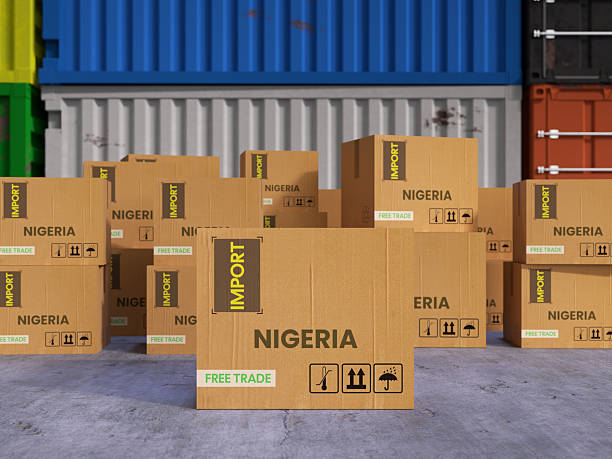
Starting an importation business in Nigeria can involve buying products from countries such as China, the USA, Turkey, the UK or other international markets and bringing them into Nigeria for resale.
The business can be profitable when you choose products with steady demand, find reliable suppliers and properly calculate your total cost before ordering. However, importing is not simply about finding cheap products overseas. Shipping, customs, documentation, clearance and local delivery all affect how much you eventually spend.
How to Start an Importation Business in Nigeria
Start by choosing a specific product category instead of trying to import everything at once.
Research the Nigerian market and identify products that people or businesses regularly need. Then compare supplier prices, minimum order quantities, shipping costs and expected selling prices.
A basic process is:
- Choose a product.
- Research demand in Nigeria.
- Find and verify overseas suppliers.
- Request samples where necessary.
- Calculate the complete landed cost.
- Check import restrictions and regulatory requirements.
- Place your order.
- Arrange international shipping.
- Complete the required customs procedures.
- Move the goods to your warehouse or customers.
For formal importing, registration and tax identification requirements apply. Nigeria’s current customs importer registration process requires identification such as NIN or TIN and relevant business/contact information. (SCAD)
Products You Can Import Into Nigeria
The right product depends on your target market and available capital.
Common categories include:
- Fashion items
- Shoes and bags
- Phone accessories
- Electronics
- Car spare parts
- Household products
- Beauty products
- Machinery
- Packaging materials
- Furniture
- Business equipment
- Industrial supplies
Before ordering any product, check whether it is permitted for importation and whether additional licences or certificates are required.
Importing From China to Nigeria
China is a major sourcing market for Nigerian importers because of its large manufacturing base and wide range of wholesale products.
You can source directly from manufacturers, wholesalers or online marketplaces. However, do not choose a supplier based solely on the lowest price.
Check product quality, minimum order quantity, supplier history, payment terms, packaging and shipping arrangements.
For your first order, starting with a manageable quantity can help you test both the product and the supplier before committing more capital.
How Much Money Do You Need to Start?
There is no fixed amount required for every importation business.
Someone importing small fashion accessories will have very different startup costs from someone importing machinery or a container of commercial goods.
Your starting budget should account for:
- Product purchase
- Supplier delivery
- International shipping
- Customs duties and applicable taxes
- Clearing charges
- Port or terminal charges
- Local transportation
- Warehousing
- Packaging
- Marketing and sales
Calculate these costs before placing your order so you know your expected selling price and potential margin.
Air Freight or Sea Freight?
The shipping method should match your cargo.
Air freight can be useful for smaller, lighter and urgent shipments. It generally offers faster transportation but may become expensive as weight increases.
Sea freight is commonly considered for larger, heavier or bulky commercial shipments where delivery speed is less important.
For multiple small purchases, consolidation may also help you combine shipments instead of paying separate international transportation costs for every package.
Customs and Import Documentation
Customs requirements depend on the type of goods being imported.
Current Nigerian trade guidance lists documents and processes that can include a proforma or commercial invoice, Form M, bill of lading or airway bill, packing list, certificate of value and origin and applicable product certificates or permits. (NTIP – Nigerian Trade Information Portal)
Some products have additional requirements. For example, SONCAP applies to regulated products and involves conformity documentation for applicable imports. (Son)
Do not assume that every product follows the same clearance procedure. Check the requirements for your specific product before shipping it.
Working With a Clearing Agent
If your shipment requires formal customs clearance, a licensed customs agent can help with declarations, documentation, assessment and clearance.
Nigeria Customs identifies licensed customs agents as intermediaries that facilitate import and export clearance and help traders navigate the relevant procedures. (Customs Licences)
Before engaging an agent, ask for a clear breakdown of their professional charges and other expected clearance costs.
Calculate Your Landed Cost
The supplier’s price is not your final cost.
For example, if you purchase 100 units from an overseas supplier, your calculation should include the cost of getting those 100 units from the supplier to your Nigerian warehouse.
Consider:
Product cost + international shipping + customs-related costs + clearance + local transportation + other applicable charges = landed cost
Your selling price should then be based on this actual cost rather than the overseas purchase price alone.
Start Small and Test the Market
You do not necessarily need to begin with a full container.
A smaller shipment can help you determine:
- Whether customers want the product
- Whether the supplier delivers consistent quality
- How much shipping actually costs
- How long the goods take to arrive
- What clearance involves
- How quickly you can sell your stock
Once you understand the process and have reliable demand, you can increase your order quantity.
Selling Imported Goods in Nigeria
After your goods arrive, you need a plan for getting them to customers.
Depending on the product, you can sell through:
- TikTok
- E-commerce platforms
- Physical shops
- Wholesale distribution
- Retail outlets
- Direct business sales
Your delivery arrangements should also be considered when setting your selling price, especially if customers are located in different states.
Importation Business in Lagos
Lagos is an important location for importers because of its major commercial, port and logistics infrastructure.
If your cargo arrives in Lagos but your customers are in Abuja, Ibadan, Ilorin, Port Harcourt or other cities, you will need a reliable way to move the goods from the arrival point to your warehouse or customers.
For larger businesses, planning transportation before the shipment arrives can reduce unnecessary storage and delivery delays.
Tribal and Cultural Considerations
Nigeria’s markets are culturally diverse, so product demand can vary between communities and locations.
Do not assume that a product that sells quickly in one market will perform the same way everywhere. Consider the preferences, purchasing habits and cultural expectations of the customers you are targeting.
When delivering goods to customers, collect accurate names, phone numbers and addresses. For deliveries to family compounds, estates, markets or business premises, clear directions can also help the driver complete the delivery successfully.
Importation Logistics With Travo.ng
Travo.ng can support the logistics side of an importation business by helping coordinate the movement and delivery of goods within Nigeria.
Depending on your requirements, relevant services can include cargo logistics, transport coordination, delivery and movement of goods from an arrival point to a warehouse, shop or customer.
When requesting logistics support, provide the cargo type, quantity, approximate weight or volume, pickup location, destination and preferred delivery timeline.
Before You Place Your First Order
Before committing your money to an overseas supplier, check the complete process from purchase to final delivery.
Confirm the supplier, product quality, shipping method, import requirements, customs process, clearance costs and local transportation arrangements.
For products with complicated tariff classification or valuation issues, Nigeria Customs also provides an Advance Ruling system that can give traders a written decision before importation on matters such as classification, origin or customs valuation. (Advance Ruling System)
Importation becomes easier to manage when you treat the entire journey as one business process rather than looking only at the supplier’s price. Good sourcing, accurate costing, proper documentation and reliable logistics can make the difference between simply bringing goods into Nigeria and building a sustainable import business.
