


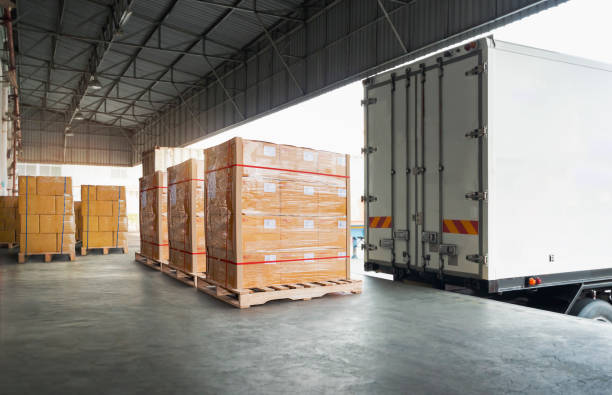
A racked warehouse with 2,000 pallet positions in Ojota can be a strong setup for businesses that need organised inventory storage, efficient picking and regular distribution across Lagos.
For FMCG distributors, e-commerce companies, wholesalers, importers and third-party logistics operators, pallet capacity is often more useful than looking at warehouse floor size alone. A properly designed racking system can allow a business to store more goods vertically while keeping individual pallets accessible.
What Does 2,000 Pallet Positions Mean?
A pallet position refers to a designated location where one pallet can be stored within the racking system.
A warehouse advertised with 2,000 pallet positions therefore has designed storage capacity for approximately 2,000 pallets, although the actual usable capacity can depend on pallet dimensions, rack configuration, product height and operational requirements.
The warehouse may also require space for:
- Receiving
- Dispatch
- Picking
- Packing
- Forklift movement
- Staff
- Offices
- Returns
- Loading and unloading
This means 2,000 pallet positions should not be confused with 2,000 sqm of floor space.
Why Racking Matters
Pallet racking allows businesses to make better use of the warehouse’s vertical space.
A suitable racking system can provide:
- Better inventory organisation
- Easier stock identification
- More efficient use of floor space
- Faster picking
- Easier stock counting
- Better separation of products
- Improved warehouse workflow
Selective pallet racking can also provide access to individual pallets, while other systems such as drive-in or double-deep racking can increase storage density depending on the type of inventory being handled.
The correct system depends on your SKU count, stock turnover and whether you prioritise storage density or immediate access to every pallet.
Is 2,000 Pallet Positions Enough?
That depends on the size and movement of your inventory.
For example, a distributor receiving several truckloads of products every week may need additional staging space even if 2,000 pallet positions appear sufficient.
Before renting, calculate:
- Average pallets in storage
- Peak inventory
- Daily pallet receipts
- Daily dispatches
- Number of SKUs
- Pallet dimensions
- Pallet weight
- Required aisle width
- Picking requirements
- Future stock growth
A warehouse should have enough capacity for peak periods rather than only your average inventory level.
Why Ojota Can Work for Distribution
Ojota is positioned around major road connections including Ikorodu Road and routes linking towards Ikeja, Oregun and other parts of Lagos.
Current warehouse listings around Ojota and Ikorodu Road show properties being marketed for logistics, distribution and storage, including large facilities with access for heavy-duty vehicles. (Nigeria Property Centre)
For a distribution business, however, the exact street and truck access are just as important as the headline location.
Truck Access and Loading Areas
A warehouse with 2,000 pallet positions needs efficient movement of goods in and out.
Check whether the facility can comfortably accommodate:
- Delivery vans
- Medium-duty trucks
- Large trucks
- Articulated vehicles
- Forklifts
- Pallet jacks
Also inspect the loading bays and yard.
A warehouse may have excellent racking but still become inefficient if trucks have difficulty reversing, loading or leaving the compound.
Check the Racking System Before Renting
Do not simply accept the advertised number of pallet positions.
Ask for the warehouse racking specifications.
Confirm:
- Number of rack levels
- Maximum pallet weight
- Pallet dimensions
- Clear height
- Aisle width
- Rack condition
- Rack manufacturer
- Forklift compatibility
- Fire-clearance requirements
- Actual available pallet positions
If the racking is already installed, inspect it for damage, corrosion, bent beams and other safety issues before taking possession.
Forklift and Material Handling
A 2,000-pallet warehouse will normally require an efficient material-handling system.
Depending on the operation, this could include:
- Counterbalance forklifts
- Reach trucks
- Electric pallet trucks
- Hand pallet jacks
- Loading equipment
Check whether these are included with the warehouse or whether the tenant must provide them.
Also establish who is responsible for equipment maintenance.
Warehouse Rent in Ojota
Warehouse rent in Ojota varies substantially according to size, location and specification.
A current listing for a 4,713 sqm three-bay warehouse along Ikorodu Road by Ojota was advertised at ₦55,000 per sqm per year, although that particular listing is now marked as no longer available. (Nigeria Property Centre)
Another current listing advertises a 1,200 sqm commercial and industrial space around KM 16, Ikorodu Road, at ₦30 million per year, with the advertised space suitable for storage and warehousing. (Nigeria Property Centre)
These examples show why a specialised racked warehouse with 2,000 pallet positions should be valued based on its storage infrastructure and operational facilities rather than floor area alone.
What to Check About the Warehouse Floor
The warehouse floor needs to support both stored goods and material-handling equipment.
Inspect:
- Floor loading capacity
- Floor levelness
- Cracks
- Drainage
- Moisture
- Surface condition
- Forklift operating areas
- Loading zones
Ask for the permitted floor loading capacity if you intend to store heavy pallets.
Fire Safety and Warehouse Protection
A large palletised inventory can create significant fire-safety requirements.
Before taking the facility, inspect:
- Fire extinguishers
- Fire alarms
- Emergency exits
- Fire detection systems
- Sprinkler systems where installed
- Emergency lighting
- Fire-access routes
- Storage clearance
- Electrical installations
Do not allow additional racking to reduce required safety clearance without professional assessment.
Power and Warehouse Operations
If the warehouse uses barcode scanners, CCTV, warehouse management software, lighting, charging stations or automated equipment, reliable electricity becomes important.
Ask about:
- Grid supply
- Generator backup
- Generator capacity
- Diesel arrangements
- Electricity billing
- Maintenance
- Overnight power availability
Also establish whether forklift charging facilities are available if electric equipment will be used.
Inventory Management
With 2,000 pallet positions, manual inventory management can quickly become difficult.
Consider using a warehouse management system to track:
- Pallet locations
- Stock quantities
- Batch numbers
- Expiry dates
- Goods received
- Goods dispatched
- Returns
- Stock movements
Barcode or QR-based identification can also make it easier to locate individual pallets.
Who Could Use a 2,000-Pallet Warehouse?
This type of warehouse could suit:
- FMCG distributors
- E-commerce businesses
- Food and beverage companies
- Importers
- Pharmaceutical distributors
- Consumer goods wholesalers
- Retail suppliers
- Third-party logistics companies
- Manufacturing companies
The most suitable configuration depends on the products, pallet dimensions and frequency of stock movement.
Tribal and Cultural Considerations
Ojota’s commercial environment includes people from different ethnic and cultural backgrounds.
When dealing with landlords, warehouse operators, workers, transporters and local stakeholders, base decisions on documented agreements, property information and operational requirements rather than assumptions about tribe or cultural background.
Where local community arrangements affect warehouse operations, establish the actual requirements and document important agreements.
Warehouse Logistics With Travo.ng
A 2,000-pallet warehouse is only useful when goods can move efficiently between suppliers, the warehouse and customers.
Travo.ng can support related cargo movement, delivery, transport coordination and logistics requirements, helping businesses connect warehouse storage with their wider distribution network.
For businesses using a palletised storage model, transport scheduling should be planned alongside warehouse receiving and dispatch operations.
Questions to Ask Before Renting
Before taking a racked warehouse with 2,000 pallet positions in Ojota, ask:
- Are there genuinely 2,000 usable pallet positions?
- What pallet dimensions are supported?
- What is the maximum pallet weight?
- What is the clear warehouse height?
- What type of racking is installed?
- Are forklifts included?
- How many loading bays are available?
- Can articulated trucks access the compound?
- What is the floor loading capacity?
- What fire-safety systems are installed?
- Is there reliable backup power?
- Is there sufficient staging space?
- What security arrangements are provided?
- What are the rent and additional charges?
- What is the minimum lease period?
For a business handling large volumes of inventory, the real value of a 2,000-pallet warehouse comes from how efficiently those pallet positions can be accessed, replenished and connected to the company’s delivery network.
