


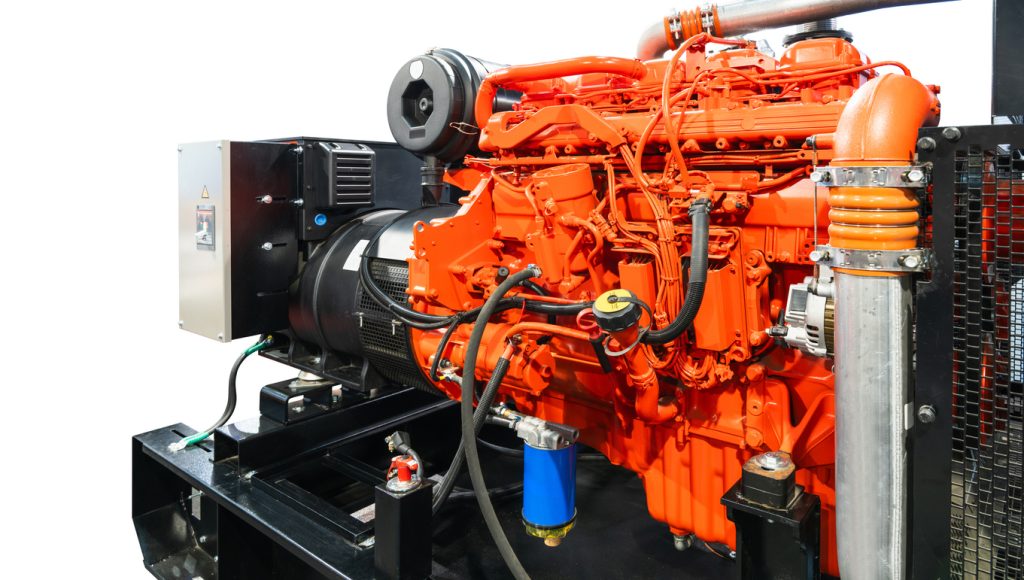
Regular generator maintenance in Lekki Phase 1 helps homes, offices, hotels, restaurants, estates and other businesses keep their backup power systems dependable. Routine servicing can also help identify worn parts before they cause an unexpected breakdown.
A proper maintenance visit should cover more than changing engine oil. The technician should inspect the generator’s major mechanical, electrical and cooling components and test its performance.
What Generator Maintenance in Lekki Phase 1 Covers
A typical maintenance service may include:
- Engine oil and filter checks
- Air filter inspection or replacement
- Fuel filter inspection
- Battery and charging system checks
- Coolant and radiator inspection
- Belts and hoses inspection
- Fuel system checks
- Alternator inspection
- AVR and voltage checks
- Control panel inspection
- Electrical connection checks
- General cleaning
- Running and load testing
The exact maintenance requirements depend on the generator’s brand, capacity, operating hours and condition.
Signs Your Generator Needs Servicing
Do not wait until the generator breaks down completely. Warning signs can include difficult starting, unusual engine noise, excessive smoke, overheating, unstable voltage, frequent shutdowns and increased fuel consumption.
A generator that is used for several hours every day may require closer monitoring than one that only runs occasionally.
Generator Maintenance for Homes and Estates
Residential generators need regular attention to the engine, filters, battery, cooling system and electrical output. For estates and larger homes, the generator may run for longer periods and support more appliances, making scheduled servicing particularly useful.
Keeping a record of service dates, operating hours and replaced parts can make future maintenance easier to plan.
Commercial Generator Maintenance in Lekki Phase 1
Offices, hotels, restaurants, shops and other businesses may depend on generators throughout their working hours. Poor maintenance can result in unexpected downtime and disruption to business activities.
Commercial maintenance can include detailed inspection of the engine, alternator, control panel, fuel system, cooling system and changeover equipment. The technician should also consider the generator’s operating load.
Preventive Maintenance vs Emergency Repair
Preventive maintenance is planned before a major fault occurs. It allows worn filters, belts, batteries, hoses and other components to be identified and replaced when necessary.
Emergency repair, on the other hand, becomes necessary when the generator has already developed a serious fault. Keeping to a maintenance schedule can reduce the need for unexpected repairs, although it cannot eliminate every possible failure.
How Travo.ng Can Support Generator Maintenance Logistics
Generator maintenance can require technicians, tools, spare parts, batteries and other equipment to be moved between suppliers, workshops and properties in Lekki Phase 1.
Travo.ng can support the logistics side by coordinating transportation and movement of personnel, equipment and replacement parts to customer locations. This can be useful for businesses or property managers handling maintenance across multiple sites.
Keep a Generator Maintenance Schedule
A simple maintenance schedule should record the generator’s operating hours, previous service date, oil and filter changes, battery checks and repairs carried out.
For generators that provide essential backup power, regular inspection is preferable to waiting for a complete breakdown. If the generator develops unusual smoke, overheating, unstable voltage or serious mechanical noise, it should be inspected before continued operation.
