


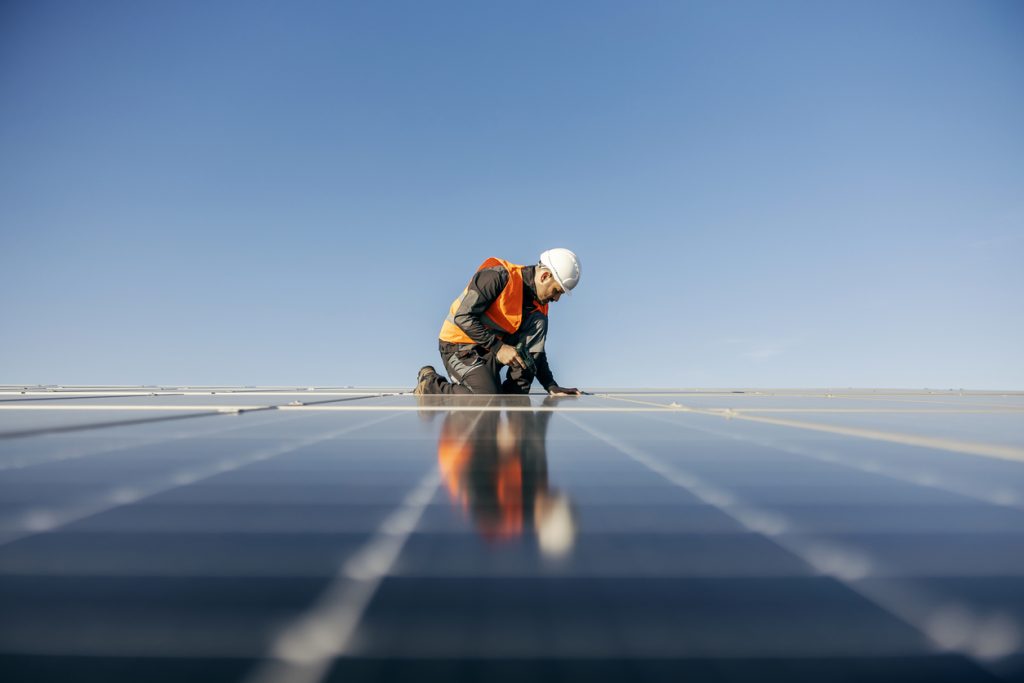
Solar capacity expansion in Lagos is becoming a practical response to unreliable grid supply, rising generator costs, and the growing electricity needs of homes and businesses. From offices in Victoria Island to warehouses around Ikeja and manufacturing sites along the Lagos industrial corridors, more organisations are looking beyond small backup systems and investing in larger solar installations.
This shift is already visible in public infrastructure. Nigeria’s renewable-energy programmes have included a Lagos rooftop solar pilot covering selected public hospitals, while the Rural Electrification Agency has also commissioned solar projects in parts of Lagos State.
For businesses planning an expansion, however, buying more panels is only one part of the job. Equipment movement, installation scheduling, battery storage, site access and transport coordination can determine whether a project runs smoothly.
What Solar Capacity Expansion in Lagos Usually Involves
A business may start with enough solar capacity to power lighting, computers and basic equipment, then discover that the system cannot support new machinery, additional air conditioners or longer operating hours.
Expansion may involve:
- Adding more solar panels
- Increasing inverter capacity
- Installing additional lithium or other battery storage
- Replacing undersized electrical components
- Moving heavy equipment to the installation site
- Coordinating technicians, suppliers and delivery vehicles
Lagos has strong potential for distributed solar generation. World Bank analysis has previously estimated substantial distributed photovoltaic potential across the state, partly because solar can compete favourably with widespread generator use.
Moving Solar Equipment Through Lagos Needs Proper Planning
Solar equipment is not ordinary cargo. Panels can crack when poorly stacked, batteries can be heavy and sensitive to handling, while mounting structures often require larger vehicles than customers initially expect.
A delivery from a supplier in Ikeja to Lekki, for example, may need to be scheduled outside peak traffic periods. Delivering dozens of panels to a commercial property in Victoria Island may also require checking loading access, parking restrictions and the time installers will be available to receive the goods.
Travo.ng can support solar projects with cargo logistics, vehicle hire, delivery coordination and business transport arrangements where required.
For larger installations, it is usually better to move equipment in planned batches rather than sending separate vehicles whenever individual components become available. This reduces repeated transport costs and lowers the risk of missing items delaying installation.
Generator Replacement Is Driving More Solar Demand
One reason solar capacity expansion in Lagos is attracting attention is the cost and inconvenience of generator-dependent power.
A Lagos-focused energy transition study supported by Sustainable Energy for All highlighted the widespread use of petrol and diesel generators and the state’s interest in distributed solar PV as an alternative.
For a supermarket, hotel, office or small factory, the practical calculation is often not simply the purchase price of solar equipment. Operators also compare monthly diesel consumption, generator maintenance, downtime and the cost of replacing damaged equipment caused by unstable power.
That means some businesses expand solar gradually. They may first cover daytime operations, then add batteries later to extend power into evenings or reduce generator use further.
Plan Deliveries Around the Installation Schedule
A common mistake is allowing panels, batteries and mounting equipment to arrive before a site is ready.
If roofing work is unfinished or technicians are delayed, valuable equipment may sit unsecured for days. On the other hand, late delivery can leave installers idle and increase labour costs.
A better approach is to coordinate:
- Site inspection and system sizing.
- Equipment procurement.
- Vehicle requirements and loading arrangements.
- Delivery dates based on installer availability.
- Safe unloading and temporary storage.
- Final installation and system testing.
For interstate equipment entering Lagos from another state, extra time should also be allowed for road conditions, traffic and loading delays.
Expanding Solar Without Disrupting Daily Operations
Businesses do not always have the option of shutting down while a solar upgrade is underway.
A restaurant in Lekki, office in Ikoyi or warehouse in Apapa may need deliveries completed early in the morning, after closing hours or in stages so normal operations can continue.
This is where transport coordination becomes important. Travo.ng can help businesses arrange suitable vehicles and logistics support for moving panels, batteries, installation materials and related equipment to project sites across Lagos.
Nigeria’s broader renewable-energy expansion is also supporting businesses and productive uses of electricity, with distributed solar increasingly being used for more than basic household lighting.
For companies considering solar capacity expansion in Lagos, planning the logistics as carefully as the electrical system can prevent costly delays. The goal is not simply to install more panels, but to build a dependable power system while keeping equipment movement, installation and business operations properly coordinated.
