


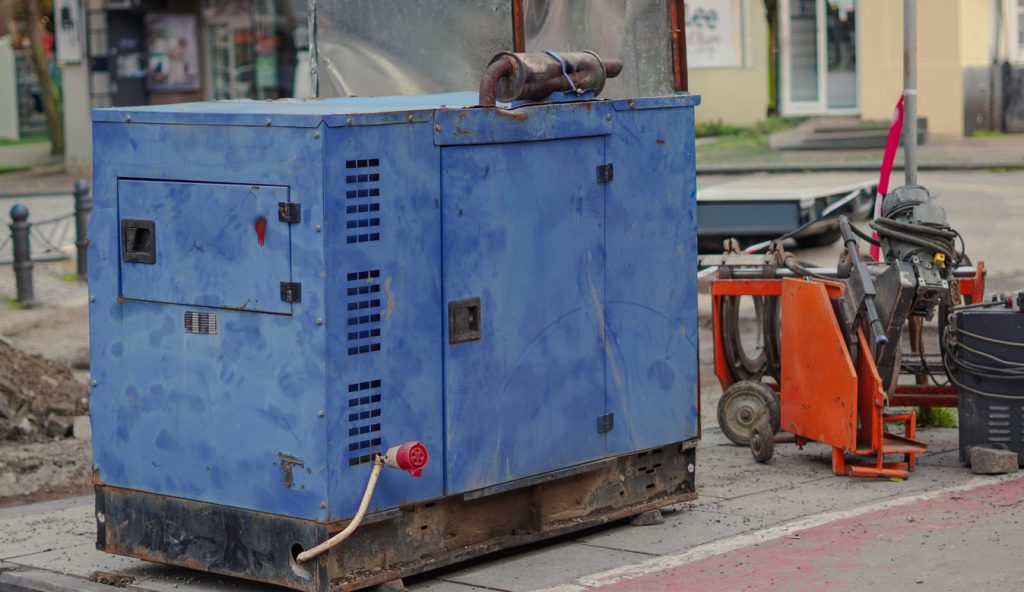
Regular generator servicing in Ikoyi is important for homes, offices, hotels, restaurants, estates and other businesses that depend on backup power. A generator that is only repaired when it breaks down can become more expensive to maintain and may fail when you need it most.
Professional servicing involves more than changing engine oil. The technician should inspect the engine, cooling system, fuel system, battery, electrical components and other parts that affect reliable operation.
What Generator Servicing in Ikoyi Usually Covers
A proper service can include:
- Engine oil and oil filter replacement
- Air filter inspection or replacement
- Fuel filter inspection or replacement
- Battery and charging system checks
- Coolant level and cooling system inspection
- Belt and hose inspection
- Fuel system checks
- Alternator inspection
- AVR and electrical output checks
- Battery terminal cleaning
- General cleaning and inspection
- Testing the generator under load
For larger diesel generators, servicing may also involve more detailed checks of the engine, alternator, control panel and automatic transfer switch.
When Should You Service a Generator?
The right interval depends on the generator model, operating hours and workload. A generator used heavily by an office or hotel in Ikoyi will generally require more attention than one used occasionally in a private residence.
Keep a simple service record showing the date, operating hours, work completed and parts replaced. This makes it easier to know when the next service is due and helps identify recurring problems.
Signs Your Generator Needs Servicing
Do not wait for a complete breakdown before calling a technician. Warning signs can include:
- Difficult starting
- Excessive smoke
- Unusual engine noise
- Excessive vibration
- Unstable voltage
- Frequent overheating
- Increasing fuel consumption
- Battery problems
- Oil or coolant leaks
- Generator shutting down unexpectedly
These symptoms can have different causes, so proper diagnosis is important before replacing expensive components.
Generator Servicing for Homes and Businesses in Ikoyi
Residential generators often require attention to starting systems, batteries, oil, cooling and general engine condition. For businesses, the servicing process can be more detailed because generators may run for several hours every day.
Hotels, restaurants, offices, supermarkets and residential estates may also need scheduled maintenance to reduce unexpected downtime. For larger installations, technicians may inspect the generator together with the ATS, distribution connections and other components involved in backup power.
How to Prepare for Generator Servicing
Before the technician arrives, provide basic information about the generator, including its brand, capacity and the problem you have noticed. If possible, record the generator’s current running hours.
Also tell the technician whether the generator is:
- Hard to start
- Producing smoke
- Losing power under load
- Consuming more fuel than usual
- Overheating
- Producing unstable electricity
- Making unusual sounds
This can make diagnosis faster and help the technician come with the appropriate tools and replacement parts.
How Travo.ng Can Support Generator Servicing Logistics
Generator servicing sometimes requires movement of technicians, tools, spare parts, batteries and other equipment between suppliers, workshops and properties in Ikoyi.
Travo.ng can support the transportation and logistics side of these jobs by helping coordinate movement of equipment, spare parts and personnel to homes, offices, hotels and other locations. For businesses managing multiple properties, organised logistics can also make scheduled maintenance easier to coordinate.
Avoid Waiting for a Breakdown
Routine servicing is usually easier to plan than an emergency repair. Keeping up with oil changes, filters, cooling systems, batteries and electrical checks can help identify problems before they become major faults.
For generators that power critical facilities, maintaining a clear servicing schedule is especially important. A small issue found during routine maintenance may be much easier and cheaper to address than a complete generator failure.
