


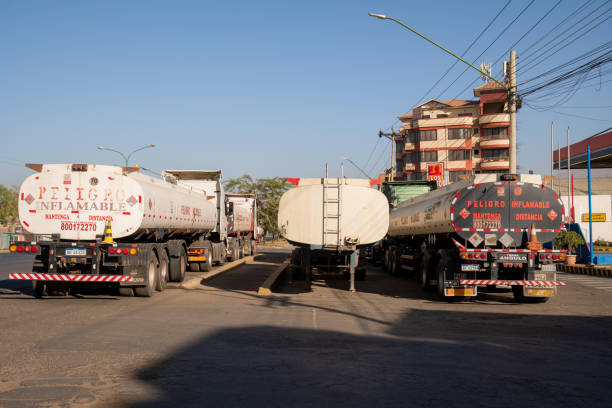
Hospitals cannot afford prolonged power interruptions. Generators may be needed to keep operating theatres, emergency departments, laboratories, wards, medical equipment, lighting, water systems and cooling systems running.
When a hospital’s diesel stock is running low unexpectedly, emergency diesel supply can help restore or maintain generator operations while normal power arrangements are being restored.
When Hospitals Need Emergency Diesel
A hospital may require urgent diesel delivery when:
- Existing diesel reserves are nearly exhausted
- A power outage lasts longer than expected
- Generator usage suddenly increases
- A scheduled fuel delivery is delayed
- An emergency or major hospital activity increases power demand
- Multiple generators need to operate simultaneously
The required quantity will depend on generator capacity, current fuel levels and expected operating hours.
How Emergency Diesel Delivery Works
The hospital should provide the supplier or logistics provider with the delivery location, required quantity, fuel type and urgency of the request.
The receiving team should also confirm where the delivery vehicle can safely access the premises and where the diesel will be transferred. Hospitals with multiple generator tanks should clearly identify the correct receiving point before the delivery arrives.
Because emergency orders can be affected by Lagos traffic and supplier availability, hospitals should not wait until their tanks are completely empty before arranging replenishment whenever possible.
Diesel Planning for Hospital Generators
Emergency supply should be part of a wider fuel management plan. Hospitals can monitor generator running hours, litres consumed and remaining stock to estimate how long their available diesel will last.
Maintaining an appropriate reserve can provide additional time to arrange another delivery when there is an unexpected power outage or delay.
Bulk and Scheduled Diesel Supply
Hospitals with high generator consumption may benefit from scheduled diesel deliveries. Instead of relying entirely on emergency orders, facility managers can establish a replenishment routine based on actual consumption.
Bulk deliveries may also be appropriate where the hospital has sufficient approved storage capacity and regularly consumes large quantities.
What Hospitals Should Confirm Before Delivery
Before accepting a diesel delivery, the hospital should confirm:
- Fuel type and required quantity
- Storage capacity
- Delivery location
- Tank access and transfer arrangements
- Expected delivery time
- Receiving personnel
- Required documentation
These checks help reduce delays when fuel is needed urgently.
How Travo.ng Can Support Hospital Fuel Logistics
Travo.ng can coordinate eligible diesel delivery and logistics support for hospitals that need fuel moved to their facilities. Hospitals can provide their location, required quantity and delivery requirements so the appropriate supply and transportation arrangements can be confirmed.
For facilities with recurring fuel requirements, Travo.ng can also support logistics coordination around scheduled deliveries and other transportation needs.
Preparing for Future Fuel Shortages
Hospitals can reduce the likelihood of emergency shortages by tracking daily generator consumption and setting a minimum fuel level that triggers a new order.
Keeping accurate delivery records also makes it easier to estimate future requirements and plan around periods when generator usage is expected to increase. For critical healthcare facilities, having a clear replenishment plan is preferable to waiting until the remaining diesel is almost exhausted.
