


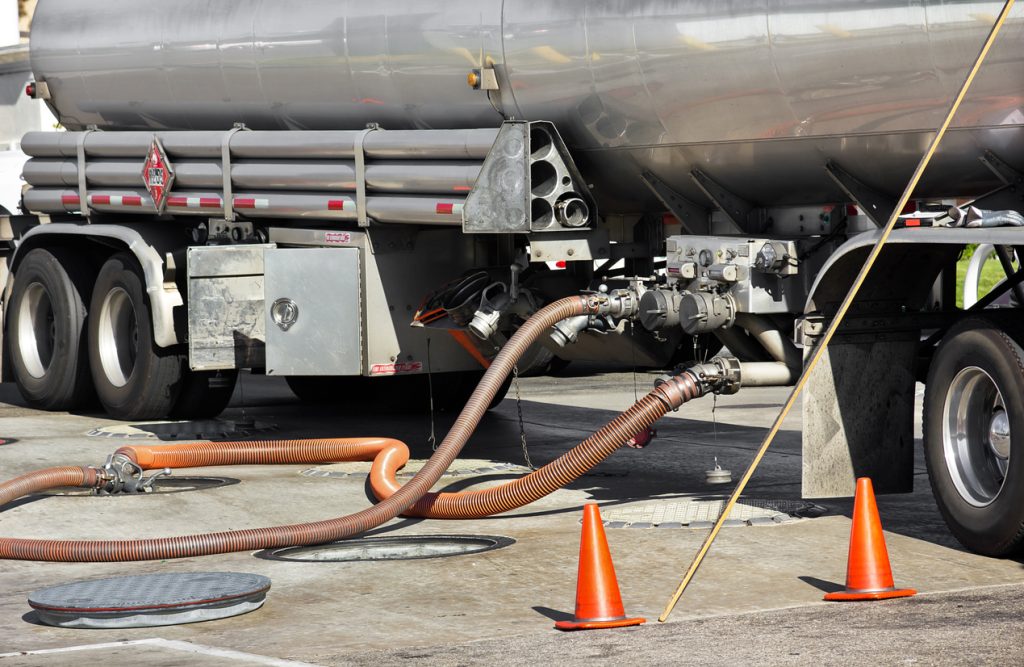
Bunker fuel is essential for ships, tankers, container vessels and offshore support vessels operating in Nigerian waters. In Nigeria, bunker fuel can be supplied at ports, anchorages and offshore locations depending on the vessel’s position and the arrangements made with the supplier.
For a vessel operator, getting the right fuel is only part of the job. Quantity, fuel specification, delivery timing, documentation and bunkering logistics all need to be coordinated properly.
What Is Bunker Fuel?
Bunker fuel is a general term for fuels used to power marine vessels. Depending on the vessel and engine requirements, a bunker order may involve products such as:
- Very Low Sulphur Fuel Oil (VLSFO)
- Marine Gas Oil (MGO)
- Marine Diesel Oil (MDO)
- Heavy Fuel Oil (HFO)
The appropriate product depends on the vessel’s engine, operating requirements and applicable fuel regulations. Nigerian marine fuel suppliers currently advertise products including VLSFO and MGO for vessels operating around Nigerian ports and offshore locations. (Angstrom Energy Limited)
Where Can You Get Bunker Fuel in Nigeria?
Lagos is one of the main locations for marine fuel operations in Nigeria. Vessels may require bunkering around areas such as Apapa, Tin Can Island and Lagos anchorage, subject to the relevant operational and port requirements.
Bunkering can involve delivery by barge to a vessel at anchorage or delivery arrangements at a berth. Suppliers operating in Nigeria also advertise bunker services around locations such as Port Harcourt, Bonny and Escravos. (Angstrom Energy Limited)
The actual delivery method depends on the vessel’s location, draft, quantity required, port arrangements and available bunkering equipment.
What Information Do You Need to Order Bunker Fuel?
A supplier will normally need accurate vessel and delivery information before arranging a bunker stem.
This can include:
- Vessel name and type
- Current position or port
- ETA and expected delivery window
- Fuel grade required
- Quantity required in metric tonnes
- Delivery location
- Vessel contact or agent details
Giving the supplier the vessel’s ETA early is particularly useful when the fuel needs to be delivered during a limited port call.
Bunker Fuel Quality Should Be Checked Before Delivery
Marine fuel quality is an important operational consideration because unsuitable or contaminated fuel can cause problems with filters, fuel systems and engines. Independent marine fuel inspection services in Nigeria cover areas such as fuel quality, quantity, sampling and compliance with applicable standards. (SGSCorp)
Operators should confirm the required fuel specification with their technical team and make sure the agreed product and documentation are clearly stated before delivery.
How Bunkering Works at Lagos Anchorage
For a vessel waiting at anchorage, the fuel may be transferred from a bunker barge to the receiving vessel. This requires coordination between the vessel, bunker supplier, agent and relevant operational parties.
Before transfer, the teams need to confirm details such as the quantity, fuel grade, transfer arrangements and safety procedures. After delivery, bunker documentation such as a Bunker Delivery Note may be provided as part of the transaction.
Some Nigerian suppliers advertise both barge and road-tanker delivery depending on the vessel’s location and requirements. (Angstrom Energy Limited)
Why Last-Minute Bunker Orders Can Be Difficult
A vessel arriving at Lagos with only a short window before departure cannot always afford delays in arranging fuel.
Problems can occur when:
- The fuel grade is confirmed too late
- The vessel’s ETA changes without notice
- The requested quantity is inaccurate
- The delivery location is unclear
- Barge availability has not been confirmed
- Required documentation has not been prepared
For larger vessels, early communication is particularly important because bunker quantities can be substantial and delivery requires more detailed coordination.
Bunker Fuel Logistics for Offshore Vessels
Offshore support vessels working around Nigeria’s oil and gas operations may have different fuel requirements from vessels making a conventional port call.
An OSV may need fuel before leaving a Nigerian port or while operating around an offshore location. In such cases, the supplier needs accurate information about the vessel’s position, delivery window and required quantity.
The same principle applies to tankers, cargo vessels and other commercial ships: fuel planning should be tied to the vessel’s actual operating schedule.
Coordinating Other Logistics With Travo.ng
Bunker fuel is only one part of a vessel’s logistics requirements. Companies may also need transportation for crew or shore personnel, delivery services, vehicle hire or movement of supplies between locations.
Travo.ng can support relevant transportation and logistics requirements where they fit the operation, helping businesses coordinate movement around Nigerian ports and other locations.
For example, a company managing a vessel call in Lagos may need personnel transported between its office, accommodation and the port while the bunkering operation is handled separately.
Plan the Fuel Order Around the Vessel’s Schedule
Bunker fuel procurement works best when the vessel’s fuel specification, quantity, location and ETA are confirmed early. This gives the supplier and vessel team time to coordinate the appropriate delivery method and documentation.
Whether the requirement is for VLSFO, MGO or another approved marine fuel, the operator should confirm the specification with the vessel’s technical team and use the appropriate marine fuel supply and bunkering channels.
