


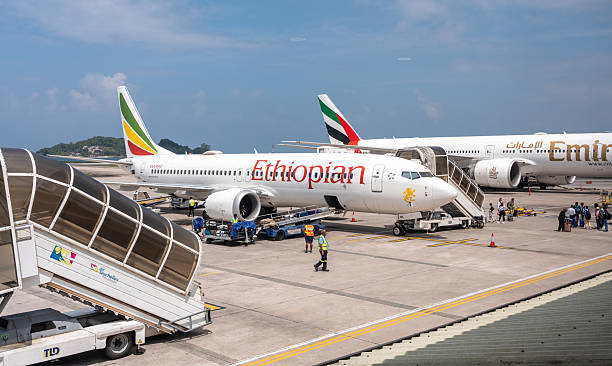
Aircraft fueling services are a critical part of keeping flights on schedule. Whether an aircraft is preparing for a domestic flight from Lagos to Abuja or an international departure from Murtala Muhammed International Airport, the aircraft must receive the correct quantity and type of aviation fuel before departure.
For airlines, charter companies, private aircraft operators and aviation businesses, fueling is not simply about putting fuel into an aircraft. It involves coordination, safety checks, timing and proper handling at the airport.
How Aircraft Fueling Works at Nigerian Airports
Aircraft fueling is normally coordinated around the aircraft’s flight schedule and ground-handling activities. The required fuel quantity depends on factors such as the aircraft type, planned route, weather, payload and operational requirements.
At a busy airport such as Lagos, fueling also has to fit around aircraft turnaround times. A delay in getting fuel can affect boarding, baggage handling and ultimately the departure time.
For operators, it is therefore important to arrange fueling with the relevant airport and ground-service teams early rather than treating it as something to handle at the last minute.
What Type of Fuel Do Aircraft Use?
Most commercial aircraft use Jet A-1, a kerosene-based aviation fuel designed for turbine-powered aircraft. The fuel must meet applicable aviation quality and handling requirements before it is supplied to an aircraft.
Smaller aircraft can use different fuel types depending on their engines, so operators should always confirm the aircraft’s fuel specification before arranging a fueling service.
Why Timing Matters During Aircraft Turnaround
An aircraft sitting on the ground is not generating revenue, while passengers and crew are waiting for the next stage of the journey. This makes efficient ground operations particularly important.
Aircraft fueling may need to happen alongside activities such as:
- Passenger boarding or disembarkation
- Baggage loading and unloading
- Catering
- Aircraft cleaning
- Technical inspections
- Crew changes
- Ground transportation
Poor coordination between these activities can create unnecessary delays, especially during busy travel periods.
Aircraft Fueling for Charter and Private Flights
Charter operators and private aviation customers may have different fueling requirements from scheduled commercial airlines. A flight may involve an aircraft arriving at Lagos, spending a short time on the ground and continuing to another Nigerian city or an international destination.
In such situations, the operator needs dependable coordination so fuel is available when the aircraft requires it.
This can be particularly important for business aviation, executive travel, medical flights and other time-sensitive charter operations.
Planning Fueling for Flights From Lagos to Other Nigerian Cities
Routes such as Lagos to Abuja, Port Harcourt, Kano and other major Nigerian destinations require careful flight planning. Fuel requirements cannot be determined simply by looking at the distance between two airports.
Aircraft operators consider the aircraft’s performance, passenger and cargo load, weather conditions, reserves and other operational factors when determining the required fuel.
For travel companies arranging aviation-related movements, coordinating the aircraft, passengers, airport transfers and other logistics together can make the entire journey easier to manage.
Common Problems That Can Disrupt Aircraft Fueling
Some fueling problems are caused not by the physical fueling process but by poor planning.
Common issues include:
- Requesting fuel arrangements too late
- Providing incorrect aircraft or flight information
- Failing to confirm the required fuel specification
- Poor communication between the operator and ground team
- Scheduling unrealistic turnaround times
- Not accounting for busy airport operations
Clear communication is especially important when several parties are involved in a charter or corporate flight.
How Travo.ng Can Support Aviation Travel Logistics
Aircraft fueling is only one part of managing a successful aviation trip. Travo.ng can help customers coordinate related travel and logistics requirements, including airport pickups, vehicle hire, travel bookings and other transportation arrangements.
For a business traveller arriving in Lagos, for example, arranging the airport transfer at the same time as the wider travel itinerary can reduce unnecessary delays after landing.
Where aviation movements involve multiple passengers, vehicles or destinations, having the transportation and travel arrangements organised in advance can also make the operation easier to manage.
Get the Right Logistics Arranged Before Departure
Aircraft fueling requires proper aviation procedures and coordination with the relevant airport or aviation service providers. Travel and logistics companies can complement this process by making sure the passenger and ground transportation side of the journey is properly organised.
For operators and travellers planning movements through Nigerian airports, early coordination is often the difference between a smooth trip and avoidable delays.
