


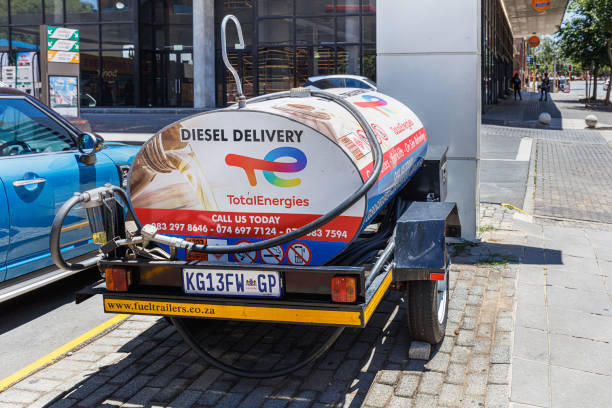
Telecom towers that depend on diesel generators need proper fuel monitoring to avoid unexpected shortages. With many sites operating across different locations, manually tracking fuel levels can become difficult for network operators and tower management companies.
Effective fuel monitoring helps teams understand consumption, identify sites that need replenishment and plan diesel deliveries before generator fuel becomes critically low.
Tracking Diesel Consumption
Each telecom tower can have different fuel consumption depending on generator capacity, operating hours, equipment load and availability of grid power.
Recording fuel usage at individual sites gives operators a clearer picture of how much diesel each generator typically requires. This information can then be used to plan future deliveries.
Monitoring Fuel Levels
Regular checks of fuel levels can help site managers determine when a tower needs another delivery. Monitoring should account for current stock, recent generator usage and the expected duration of generator operation.
Keeping accurate records also makes it easier to identify unusual changes in consumption that may require further investigation.
Planning Tower Fuel Deliveries
Fuel monitoring works best when it is connected to a clear delivery schedule. Operators can use consumption records to determine when each site is likely to require diesel.
Scheduled deliveries can reduce the risk of individual towers running low while avoiding unnecessary deliveries to sites that still have sufficient fuel.
Managing Multiple Telecom Sites
Companies operating large tower networks need to monitor each location separately. Useful records can include:
- Tower location
- Generator operating hours
- Diesel consumption
- Current fuel level
- Storage capacity
- Previous delivery date
- Next planned delivery
Organised records can make it easier for operations teams to coordinate fuel requirements across multiple locations.
Emergency Fuel Requirements
Unexpected power outages can cause generators to operate for longer than normal, increasing diesel consumption. If monitoring shows that a tower is approaching a critical fuel level, an emergency delivery may be required.
Availability depends on the site’s location, required quantity, supplier capacity, vehicle availability and road access.
Safe Fuel Management
Fuel monitoring should also consider safe storage and handling. Telecom sites should have appropriate fuel storage arrangements, with trained and authorised personnel responsible for receiving and managing diesel.
Fuel storage and generator areas should be kept away from ignition sources and other hazards.
Why Choose Travo.ng?
Travo.ng can coordinate eligible diesel delivery and fuel logistics for telecom sites, helping operators arrange replenishment based on location, quantity and delivery requirements.
Combining accurate fuel monitoring with planned delivery can help tower operators reduce avoidable shortages and keep generators prepared for periods when backup power is required.
Building a Reliable Tower Fuel System
A practical fuel monitoring process should combine regular stock checks, consumption records and planned diesel deliveries.
By understanding how much fuel each tower uses and when replenishment is needed, telecom operators can make fuel logistics more organised and reduce disruptions caused by unexpected diesel shortages.
