


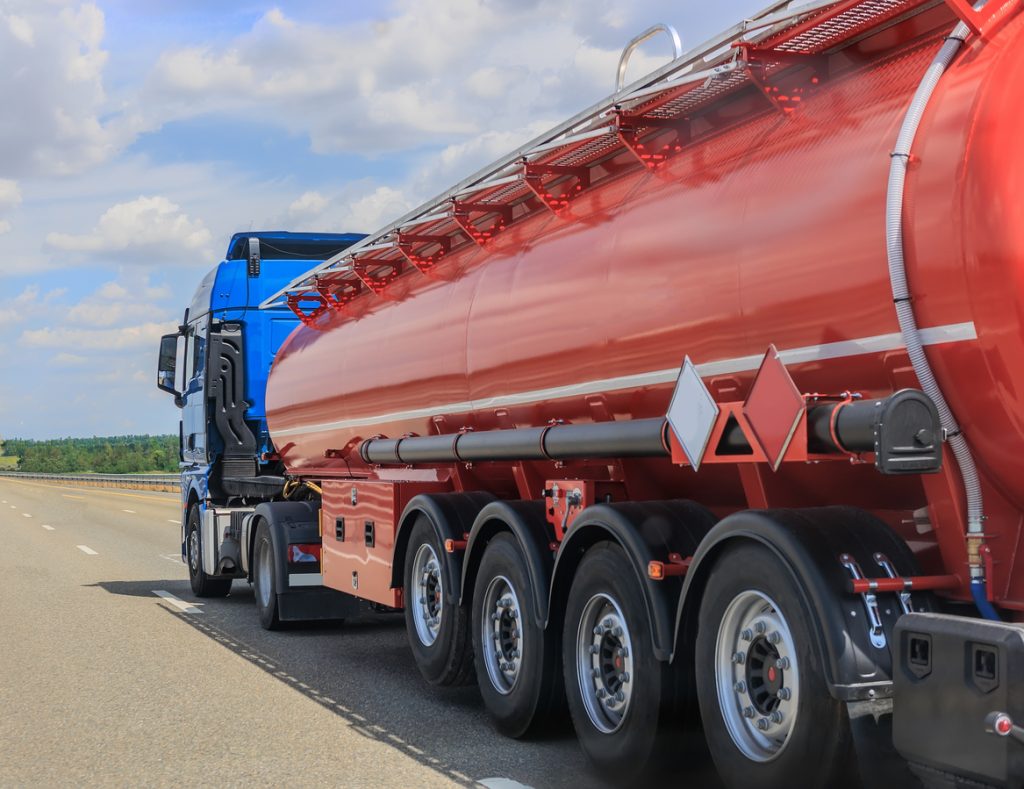
Base Transceiver Stations (BTS) require dependable power to keep telecommunications equipment operating. Where grid electricity is unreliable or unavailable, diesel generators often provide backup power for telecom sites.
BTS fuel delivery helps telecom operators, infrastructure companies and site managers maintain adequate diesel supplies across their network of locations.
Diesel Supply for BTS Sites
BTS sites may use generators for extended periods depending on grid availability, generator capacity and site power requirements. Regular diesel delivery can help maintain generator readiness and reduce the risk of fuel shortages.
Fuel requirements can vary from one BTS location to another, making accurate consumption records important for planning deliveries.
Bulk Diesel for BTS Operations
Telecom companies managing multiple BTS sites may require bulk diesel supply across different locations. Delivery quantities can be planned according to each site’s average consumption, generator usage and available storage capacity.
A structured supply arrangement can make fuel management easier and reduce unnecessary trips to individual sites.
Scheduled BTS Fuel Delivery
Scheduled deliveries allow telecom operators to plan fuel replenishment based on current stock levels and expected generator usage. This is particularly useful for companies managing numerous BTS locations.
Fuel consumption records can help determine which sites require more frequent deliveries and which can operate on longer delivery cycles.
Emergency BTS Fuel Delivery
Unexpected generator usage can cause a BTS site to consume fuel faster than anticipated. Emergency diesel delivery may help when a site requires additional fuel urgently.
Availability depends on the site location, quantity required, supplier capacity, vehicle availability and road access.
Fuel Delivery to Remote BTS Sites
Some BTS locations may be in remote or difficult-to-access areas. Providing accurate site information, road access details and the required quantity can help with delivery coordination.
Where access is challenging, delivery planning should take local road conditions and suitable delivery vehicles into account.
Safe Diesel Handling at BTS Sites
Diesel should be transported and received using appropriate equipment and proper safety procedures. Only trained and authorised personnel should handle fuel at telecom sites.
Fuel storage areas should be managed carefully and kept away from ignition sources and other hazards.
Why Choose Travo.ng?
Travo.ng can coordinate eligible diesel delivery and fuel logistics for BTS and telecom infrastructure sites, helping operators arrange supply according to location, quantity and delivery requirements.
For operators managing multiple sites, planned fuel deliveries can simplify logistics and reduce the risk of individual BTS locations running low on diesel.
Managing BTS Fuel Supply
Operators should monitor generator operating hours, diesel consumption, current stock, storage capacity and previous delivery dates for each BTS site.
Combining accurate fuel records with scheduled deliveries can help maintain generator readiness and support reliable telecom site operations.
