


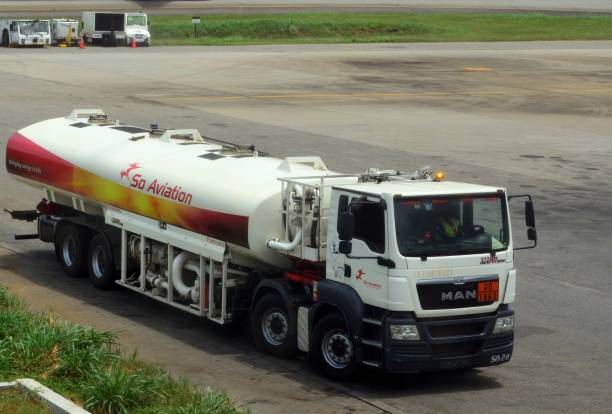
Fuel is one of the biggest operating costs for many businesses that manage trucks, vans, buses and other commercial vehicles. Effective fleet fuel management helps companies monitor consumption, plan replenishment and reduce disruptions caused by fuel shortages.
Managing Fuel for Commercial Fleets
Fleet fuel management involves tracking how vehicles consume fuel and organising supply around daily operations. Companies can monitor fuel usage alongside mileage, routes, vehicle type and operating hours.
This is useful for logistics companies, haulage businesses, distributors, construction firms and other organisations operating multiple vehicles.
Track Fuel Consumption
Keeping accurate fuel records can help fleet managers understand how much each vehicle typically consumes. Important information can include:
- Vehicle identification
- Fuel quantity
- Date of fueling
- Mileage
- Route or assignment
- Driver details
- Fuel cost
Comparing these records over time can help identify unusual consumption and improve future fuel planning.
Plan Fleet Fuel Supply
Businesses should estimate fuel requirements based on their expected routes and workload rather than waiting until vehicles are almost empty.
For companies operating from a central location, scheduled diesel deliveries can help maintain an adequate supply. Where available, recurring deliveries can also be arranged according to expected consumption.
Bulk Diesel for Fleet Operations
High-volume fleets may require bulk diesel supply. Receiving fuel at a suitable business or depot location can make replenishment easier for companies that operate many vehicles.
The business should confirm its storage capacity and ensure fuel is received and handled using appropriate equipment and safety procedures.
Reducing Fuel Waste
Fleet managers can review fuel records to identify vehicles with unusually high consumption. Factors such as vehicle condition, excessive idling, heavy loads, route conditions and driving habits can affect fuel usage.
Regular vehicle maintenance and efficient route planning can therefore support better fuel management.
Emergency Fleet Fuel Supply
Unexpected fuel shortages can disrupt deliveries, haulage schedules and other commercial operations. Emergency fuel delivery may be available when a fleet requires urgent replenishment.
Availability depends on the location, required quantity, supplier capacity, vehicle availability and road access.
Why Choose Travo.ng?
Travo.ng can coordinate eligible fuel delivery and logistics for businesses based on their location and requirements.
Fleet operators can provide their delivery location, required fuel quantity and preferred schedule so available supply and delivery arrangements can be confirmed. This can support both planned fleet replenishment and urgent fuel requirements.
Building a Better Fleet Fuel System
Effective fuel management combines accurate record keeping, regular vehicle maintenance, realistic consumption estimates and dependable fuel replenishment.
By monitoring fuel usage and planning deliveries around fleet operations, Nigerian businesses can maintain better control over fuel requirements and reduce avoidable disruptions to their vehicle operations.
