


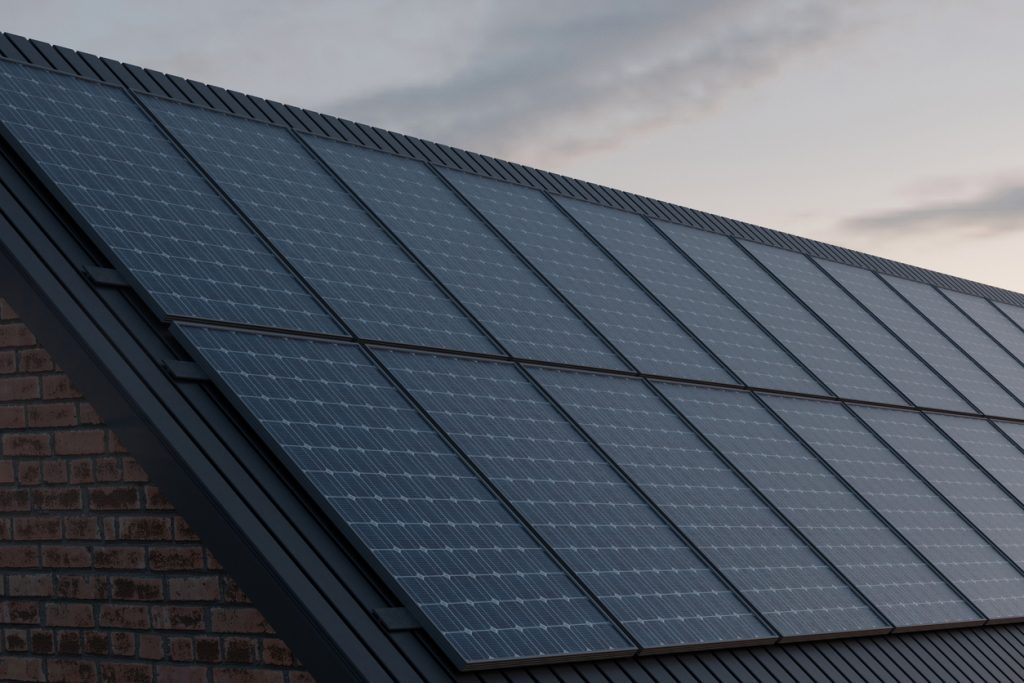
Finding a reliable solar engineer in Abuja is important if you are installing a solar system for a home, office, shop, hotel, or larger facility. The right professional should do more than install panels. They need to understand your electricity needs, inspect the site, size the system correctly, and make sure the batteries, inverter, panels, and other components work together.
This matters particularly in Abuja, where properties vary widely. A small residential installation in Gwarinpa has very different requirements from a business facility in Wuse or a larger property around Jabi, Maitama, or Lugbe.
What should a solar engineer check before installation?
A proper assessment should happen before anyone starts mounting panels. A solar engineer will typically look at:
- Your average electricity consumption
- Appliances and equipment that need backup power
- Available roof or ground space
- The direction and condition of the installation area
- Existing wiring and electrical infrastructure
- Battery requirements
- Inverter capacity
- Future expansion plans
For example, someone who only needs lights, fans, a television, and a refrigerator will not have the same system requirements as an office running computers, air conditioners, networking equipment, and other electrical loads throughout the day.
Getting this assessment wrong can leave you with a system that is either unnecessarily expensive or unable to handle your actual power requirements.
How much does a solar installation in Abuja cost?
There is no single price for solar installation because the cost depends heavily on the size and components of the system.
A basic residential setup will generally cost much less than a system designed for a large home, office, hotel, school, or commercial property. Battery type, inverter capacity, number of panels, installation complexity, and the equipment selected can all affect the final cost.
Rather than choosing a solar package simply because it is advertised as cheap, ask the engineer to explain what the system can realistically power and for how long.
When you may need more than an engineer
Solar projects sometimes involve moving heavy or delicate equipment before installation. Panels, batteries, inverters, mounting materials, cables, and other components may need to be transported from suppliers or warehouses to a project site.
This becomes more complicated when the installation is outside central Abuja or when equipment is coming from another Nigerian city.
For businesses managing several projects, coordinating cargo logistics, delivery services, vehicle hire, or transport alongside the engineering work can save unnecessary delays. Travo.ng can support the movement and coordination side of such projects where travel or logistics services are required.
What to ask before hiring a solar engineer
Before committing to an installer, ask practical questions such as:
- Will you inspect the property before recommending a system?
- How did you calculate the required inverter and battery capacity?
- Which appliances can the proposed system support?
- What happens if my electricity needs increase later?
- Who handles maintenance after installation?
- Are installation, transportation, and other charges included in the quotation?
A professional should be comfortable explaining the reasoning behind the recommendation instead of simply giving you a list of equipment.
Planning a solar project outside Abuja?
If the engineer, equipment, or installation team needs to travel between Abuja and another Nigerian city, logistics can become part of the project itself. Coordinating transport, accommodation, airport pickup, or equipment delivery separately can create unnecessary back-and-forth.
Travo.ng provides travel and logistics support that can help businesses coordinate these practical arrangements, particularly when a project involves movement between locations.
Whether you are arranging a residential installation or coordinating a larger commercial project, getting the technical work and logistics organised early can make the process much smoother.
