


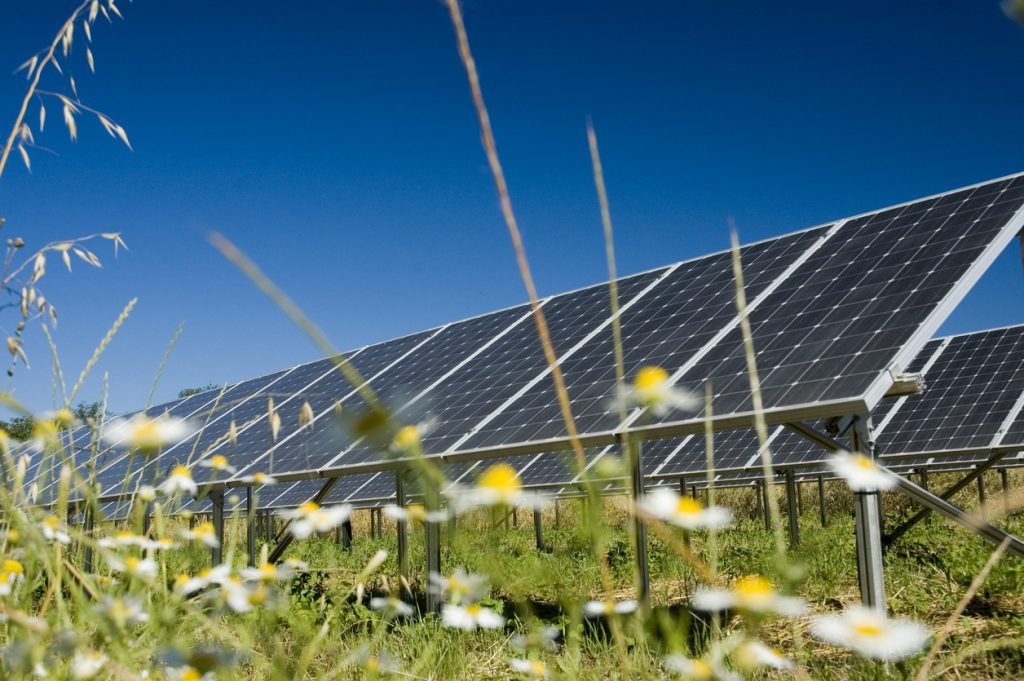
Solar power has become a practical alternative for many homes and businesses in Lagos, especially where relying completely on public power can be unpredictable. But installing solar panels, batteries and an inverter is not the end of the process.
Like any electrical system, solar equipment needs regular checks and maintenance. Dust, heat, humidity, loose connections, battery problems and faulty components can gradually affect performance. A system that once powered your lights, appliances or office equipment comfortably may start running for fewer hours or shutting down unexpectedly.
That is why solar maintenance in Lagos should be treated as part of the system’s normal operating cost rather than something to consider only when there is a major fault.
Why Lagos Weather Can Affect Solar Systems
Lagos has a combination of heat, humidity, rainfall and airborne dust that can affect outdoor equipment over time. Solar panels are particularly exposed because they remain outside throughout the year.
Dust and dirt can build up on the panel surface, reducing the amount of sunlight reaching the photovoltaic cells. During the rainy season, heavy rainfall can wash some dirt away, but it does not eliminate the need for inspection.
The surrounding environment also matters. A solar installation close to a busy road, construction site or dusty area may require more frequent cleaning than one in a relatively clean residential environment.
What Solar Maintenance Usually Involves
A proper maintenance visit should involve more than simply wiping the panels.
Depending on the installation, a technician may inspect:
- Solar panels for dirt, cracks or physical damage
- Inverter performance and error warnings
- Battery condition and charging behaviour
- Cables, terminals and electrical connections
- Mounting structures and exposed components
- System output compared with expected performance
- Signs of overheating or unusual noise
- General cleanliness around the installation
For businesses, these checks are particularly important because a solar fault can affect computers, refrigeration, security systems, office equipment or other essential operations.
How Often Should a Solar System Be Serviced?
There is no single schedule that works for every installation. The right frequency depends on the type of system, battery technology, environment and how heavily the equipment is used.
A home with relatively light usage may only need periodic professional inspections, while a business that depends heavily on solar power may benefit from more regular checks.
You should also arrange an inspection when you notice:
- Batteries are no longer lasting as long as they used to
- The inverter frequently displays errors
- Appliances are shutting down unexpectedly
- Solar charging appears unusually slow
- The system makes unfamiliar sounds
- Power output seems lower despite good sunlight
Waiting until the system stops working completely can result in a more expensive repair.
Don’t Ignore the Battery
For many Lagos homes and businesses, the battery is one of the most important and expensive parts of the solar setup.
Poor battery performance can make an otherwise functional solar system feel unreliable. Incorrect charging, excessive heat, age and repeated deep discharge can all affect battery life.
If your solar system suddenly provides significantly fewer hours of backup, the battery should be one of the first components investigated rather than immediately assuming that the panels are faulty.
Solar Maintenance for Businesses in Lagos
For a business, maintenance is also about reducing downtime.
A small office in Lekki, a shop in Ikeja or a larger operation in mainland Lagos may have completely different energy requirements, but the principle is the same: unexpected power failure can interrupt normal operations.
Businesses can benefit from keeping a simple maintenance record showing when the system was inspected, what was checked and whether any components need attention. This makes it easier to identify gradual performance problems before they become major faults.
For companies that need support coordinating technical services and other operational logistics, Travo.ng can also help organise relevant service arrangements rather than leaving businesses to manage every logistical detail themselves.
How to Avoid Unnecessary Solar Repairs
Regular maintenance does not mean constantly replacing equipment. In fact, one of its main purposes is to identify small issues before they become expensive problems.
Keep the area around the equipment reasonably clear, avoid attempting electrical repairs without the right expertise, and pay attention to changes in battery backup time or inverter behaviour.
If your system is producing noticeably less power than normal, it is better to investigate the cause early than continue operating it until a component fails completely.
A practical approach for Lagos property owners
If your solar installation powers important parts of your home or business, schedule periodic inspections and keep the installation details available, including the inverter and battery specifications. This makes it easier for a technician to understand the system and diagnose problems quickly.
For customers managing several properties, offices or operational locations, coordinating maintenance can also become a logistics issue. Travo.ng’s service coordination approach can be useful when reliable scheduling and movement support are needed alongside other business logistics.
A well-maintained solar system will not eliminate every power challenge, but it can help you get more dependable performance from the equipment you have already invested in.
