


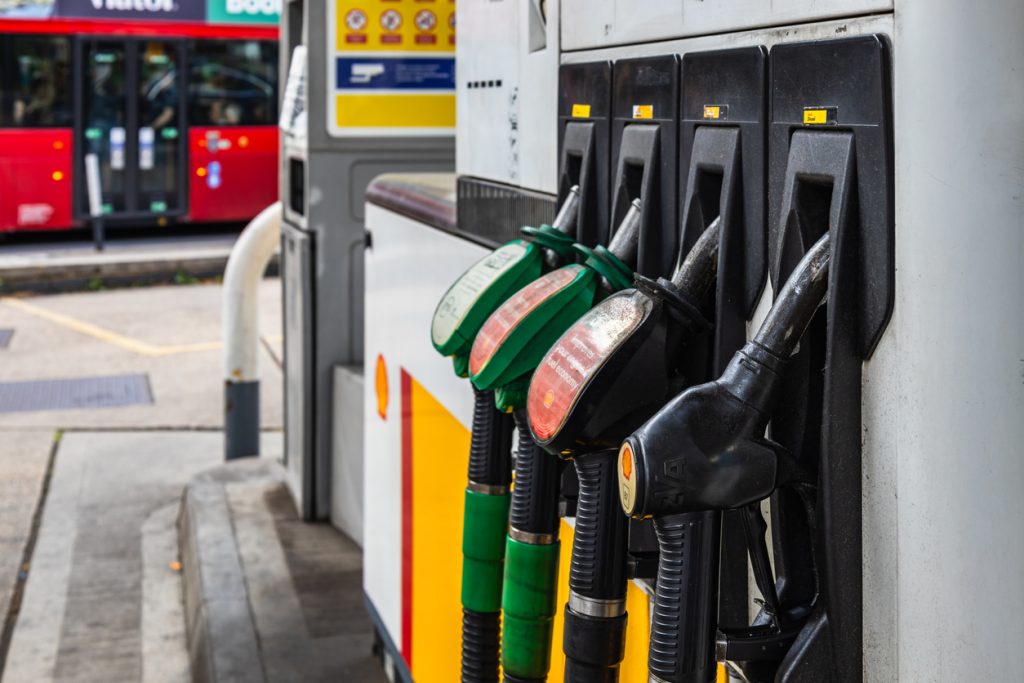
Fuel shortages can quickly disrupt everyday movement in Nigeria. A trip that normally takes an hour can become much more stressful when filling stations have long queues, petrol prices rise, or drivers begin cancelling trips because they cannot refuel.
For individuals and businesses, the bigger problem is often not the fuel itself but the disruption it causes. Deliveries arrive late, airport pickups become difficult, employees struggle to get to work, and interstate trips may cost more than expected.
Fortunately, there are practical fuel scarcity alternatives in Nigeria that can help people and businesses keep moving without depending entirely on their own petrol-powered vehicles.
Use organised transport instead of searching for fuel
When fuel is difficult to find, driving your own car may not always be the most efficient option.
For example, someone travelling across Lagos for several appointments could spend hours looking for a filling station before even reaching their destination. Booking transport in advance can remove that uncertainty and make it easier to plan around traffic and travel time.
For businesses, scheduled transport can also be useful for:
- Staff movement
- Client meetings
- Airport transfers
- Corporate events
- Interstate journeys
- Group transportation
This is particularly useful when several people need to travel together and arranging multiple private cars would consume more fuel.
Consider CNG and other alternative-fuel transport
Compressed Natural Gas (CNG) has become one of Nigeria’s most visible alternatives to petrol. The Federal Government’s CNG programme has expanded conversion centres and refuelling infrastructure, while CNG and electric buses are being introduced in several states.
However, CNG is not yet equally convenient everywhere. Availability of refuelling stations, vehicle compatibility and route planning still matter.
For someone deciding whether to use CNG, the practical question is not simply “Is CNG cheaper?” but:
“Will I have reliable access to CNG along the routes I regularly travel?”
That distinction matters for interstate journeys and commercial operations.
Businesses should plan deliveries around fuel disruptions
A company that depends on daily deliveries should not wait until fuel becomes scarce before changing its logistics plan.
Suppose a business in Lekki needs to send several packages to customers in Ikeja, Yaba and Surulere. Sending different staff members out individually can increase fuel consumption and create unnecessary delays.
A better approach may be to consolidate deliveries and use a courier or logistics provider that can coordinate several stops efficiently.
The same principle applies to interstate deliveries such as Lagos–Ibadan, Lagos–Benin or Lagos–Abuja. Planning pickup times, delivery routes and cargo movement ahead of time can reduce the impact of fuel-related disruptions.
Airport trips need a backup plan
Fuel scarcity can be especially frustrating when you have a flight to catch.
If you are travelling from Lekki to Murtala Muhammed International Airport, for example, you cannot afford to spend an hour looking for petrol before beginning the journey. Traffic already makes airport trips unpredictable.
Pre-arranged airport pickup and drop-off services provide a more practical alternative. You can schedule the journey ahead of time and focus on arriving at the airport rather than worrying about whether your vehicle has enough fuel.
The same applies when receiving visitors, clients or family members arriving in Lagos or Abuja.
Reduce unnecessary trips during periods of scarcity
Another simple alternative is to reduce the number of journeys you make.
Instead of making five separate trips across Lagos during the week, businesses can combine errands, schedule meetings on the same day and arrange deliveries together.
For households, this might mean combining shopping and other errands into one outing.
It sounds minor, but when fuel prices are high or availability is uncertain, reducing unnecessary kilometres can make a noticeable difference to transportation costs.
What should you use when petrol becomes difficult to get?
There is no single solution for everyone. Your best option depends on the type of movement involved.
For personal trips: consider organised transport or shared journeys.
For businesses: use scheduled courier and logistics services rather than sending staff out for individual deliveries.
For airport journeys: arrange pickup or drop-off in advance.
For regular commercial driving: investigate whether CNG conversion makes financial and operational sense for your vehicle and routes.
For interstate movement: plan cargo and passenger transportation ahead instead of waiting until fuel availability becomes a problem.
Nigeria’s transport system is gradually becoming more diverse, with CNG, electric mobility and organised transport services receiving greater attention. At the same time, fuel supply and pricing can still affect how much it costs to move people and goods. Recent petrol prices have remained above ₦1,300 per litre at some Nigerian filling stations, showing why businesses and commuters continue to look for more efficient options.
For customers who simply need to get somewhere or move something, the practical answer is often better transport and logistics planning, rather than relying on one vehicle and one source of fuel.
Travo.ng can help with travel bookings, transport coordination, courier services, deliveries and other mobility needs, giving individuals and businesses an easier way to plan movement when fuel availability becomes unpredictable.
