


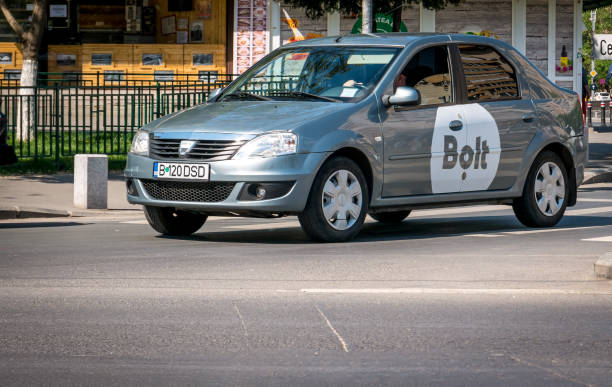
Interest in Electric Bolt cars Nigeria is growing as more drivers look for ways to reduce fuel spending and run ride-hailing vehicles more efficiently. With petrol costs putting pressure on daily earnings, electric vehicles are becoming a serious consideration for drivers in Lagos, Abuja and other busy Nigerian cities.
Bolt already operates across many Nigerian cities, including Lagos, Abuja, Port Harcourt, Ibadan, Enugu and Kano, giving drivers access to a large ride-hailing market. Drivers can choose their working hours and receive trip requests through the platform.
For anyone considering an electric car for Bolt, however, the decision should involve more than simply comparing fuel and electricity costs.
Are Electric Cars Suitable for Bolt Driving in Nigeria?
Electric vehicles can work well for ride-hailing when the driver’s daily routes and charging arrangements are properly planned.
A driver handling mostly Lagos trips between Ikeja, Yaba, Victoria Island, Lekki and nearby areas may find an EV practical if reliable charging is available close to home or along regular routes.
The biggest operational concern is downtime. A petrol driver can refuel within minutes, while an EV driver may need significantly more time to recharge depending on the vehicle and charger being used.
This means drivers should consider:
- Real-world driving range
- Charging locations near regular routes
- Home or overnight charging availability
- Battery condition
- Air-conditioning power consumption
- Availability of EV technicians and spare parts
These factors matter especially for drivers completing long shifts.
Calculate Your Daily Driving Before Buying an EV
One mistake drivers make is choosing a vehicle based only on its advertised range.
Lagos ride-hailing can involve considerably more movement than passengers realise. A driver may travel from Lekki to Ikeja, complete another trip towards Surulere and later return to the Island before the working day ends.
Traffic also means air conditioning may operate for long periods while the vehicle moves slowly.
Before purchasing or leasing an electric Bolt car, estimate your normal daily kilometres and compare them with the vehicle’s realistic range rather than its maximum advertised figure.
Having additional battery capacity available reduces the risk of interrupting a profitable working period simply to recharge.
Check Bolt Vehicle Requirements Before Investing
Buying an EV does not automatically mean it can immediately start receiving Bolt trips.
Bolt requires Nigerian driver partners to meet driver and vehicle requirements. Required documentation includes a valid driver’s licence, vehicle licence certificate, roadworthiness certificate and government-issued identification. Lagos drivers may also require LASSRA and LASDRI documentation.
Drivers should therefore confirm that their intended electric vehicle qualifies for the relevant Bolt category before completing a purchase or financing agreement.
For people managing several vehicles, Bolt also allows registration as a fleet owner when three or more vehicles are involved.
Charging Location Can Determine Whether the Car Makes Money
For Electric Bolt cars Nigeria, charging infrastructure is almost as important as the car itself.
A driver who can charge overnight at home starts each morning with a major advantage. Someone who must travel several kilometres and queue for public charging could lose productive hours.
Before choosing an EV, identify charging options around your home, usual operating areas and emergency alternatives.
This becomes particularly important for airport work. Bolt operates rides to and from Lagos Airport, so drivers covering Ikeja, the airport and Island destinations need enough battery reserve for unexpected traffic or additional trips.
Compare Total Operating Costs Instead of Fuel Alone
Lower energy costs can make electric vehicles attractive, but drivers should calculate the full business cost.
Consider financing repayments, insurance, tyres, charging, routine maintenance and possible battery-related expenses alongside expected Bolt earnings.
Bolt currently states that its commission in Nigeria is 20% of the final trip price, excluding items such as tips and certain additional charges.
That commission should also be included when estimating whether an EV can generate enough monthly income to cover ownership or lease payments.
Planning Electric Ride-Hailing Transport With Travo.ng
Moving towards electric ride-hailing requires practical planning rather than simply buying a new car.
Travo.ng can support individuals and businesses exploring transport coordination, vehicle-related logistics and mobility solutions in Nigeria. Businesses building ride-hailing fleets may also need vehicle movement, driver coordination or wider logistics support as operations expand.
For drivers considering Electric Bolt cars Nigeria, the best vehicle is ultimately one that fits actual daily mileage, has dependable charging access and leaves enough margin after operating costs.
Electric mobility can reduce dependence on petrol, but profitability will depend on matching the vehicle, charging arrangement and driving schedule to Nigerian road conditions. A careful calculation before committing to a purchase or lease can prevent expensive mistakes later.
