


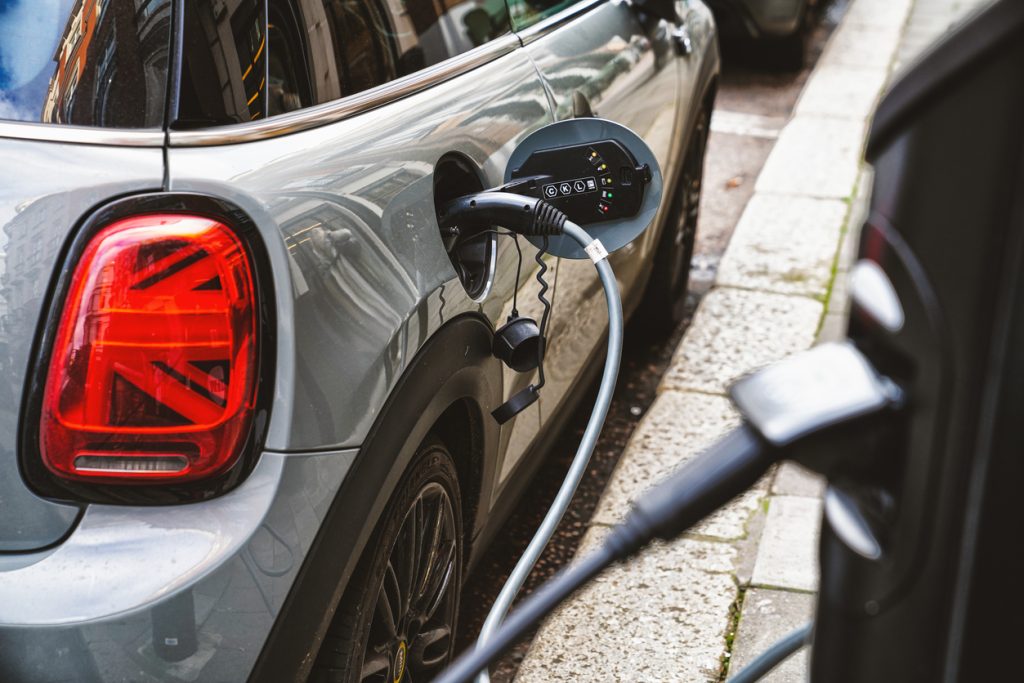
Understanding Electric car charging cost Nigeria is becoming more important as electric vehicles appear on roads in Lagos, Abuja and other major cities. Unlike buying petrol, however, there is no single charging price that applies everywhere.
Your actual cost depends on where you charge, your electricity tariff, the size of your EV battery and whether you use a normal home connection or a commercial fast charger.
For someone considering an EV in Nigeria, the best way to budget is to understand the cost per kilowatt-hour and how many kilowatt-hours your vehicle needs for a typical journey.
What It Costs to Charge an Electric Car at Home
Home charging is usually the most convenient option for Nigerian EV owners with secure parking and reliable electricity.
Electricity tariffs vary according to your distribution company, location and service band. NERC explains that customers are placed in service bands based on the number of hours of electricity supplied, so two EV owners in different parts of Nigeria may pay different amounts for the same quantity of electricity.
Imagine your electric car has a 50 kWh battery. If you need to replace 40 kWh after several days of driving, calculate:
40 kWh × your electricity price per kWh = charging cost
This makes checking your prepaid meter tariff important before comparing an EV with a petrol vehicle.
Remember that charging losses also occur, so electricity drawn from the wall can be slightly higher than the amount eventually stored in the battery.
Public EV Charging Can Cost More Than Home Charging
Public chargers are useful when travelling longer distances or when home charging is unavailable.
Commercial operators normally have additional expenses such as charging equipment, premises, maintenance and backup electricity. This can make public charging more expensive per unit than charging from your own meter.
For example, CAAS Charging currently advertises public charging in Lagos and Abuja at ₦430 per kWh.
At that rate, adding 40 kWh would cost about ₦17,200.
That calculation is more useful than asking only, “How much is a full charge?” Battery sizes vary considerably. A small city EV and a large electric SUV may require very different amounts of energy.
Calculate Electric Car Charging Cost Nigeria Before a Trip
For everyday planning, look at three numbers:
- Your vehicle’s battery capacity in kWh
- The percentage of battery you need to replace
- The charging rate per kWh
Suppose you are driving regularly between Lekki and Ikeja. You may only need to top up the battery periodically rather than charge from 0% to 100% every night.
Interstate travel needs more preparation. A Lagos-to-Abuja EV journey requires checking charging availability along the route before departure, not simply calculating electricity costs. Charger compatibility, charging speed, opening hours and possible waiting time all matter.
Drivers should therefore plan charging stops in the same way petrol-car users plan fuel stops, but with more attention to available infrastructure.
Home Charger Installation Is Another Cost to Consider
Electricity consumption is only one part of EV ownership.
Some drivers can use the portable charger supplied with their vehicle, while others may need a dedicated wall-mounted charger. Installation costs depend on the building’s electrical system, cable distance, charger capacity and whether upgrades are required.
Before installation, an electrician should assess the property’s wiring and available electrical load. Avoid relying on unsuitable extension cables simply because the car can physically plug into them.
Solar and inverter systems can also support EV charging, but the system must be sized for the vehicle’s energy demand rather than treated like an ordinary household appliance.
Plan EV Transport Around Real Nigerian Conditions
The cheapest charging arrangement is not automatically the most practical one. A driver with unreliable electricity may value accessible public charging, while a household with dependable power or properly sized solar can charge mainly at home.
Businesses operating electric delivery vehicles must also consider charging schedules, daily mileage and vehicle downtime.
Travo.ng can support customers with transport coordination, vehicle-related mobility planning and wider travel arrangements where electric vehicles form part of the journey. For interstate trips, airport movement or business transport, planning the route and vehicle requirement beforehand can prevent unnecessary delays.
When estimating Electric car charging cost Nigeria, calculate your actual energy use rather than relying on a single advertised “full charge” figure. Battery size, electricity tariff, charging location and driving distance ultimately determine what you will spend.
