


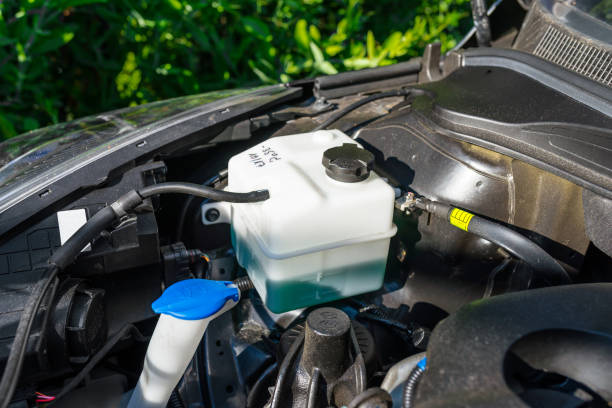
Antifreeze coolant plays an important role in keeping a vehicle’s engine at the correct operating temperature. Although Nigeria has a warm climate, coolant is still essential because it does much more than protect an engine from freezing.
Using the correct coolant and maintaining the right level can help prevent overheating, corrosion and cooling-system damage.
What Is Antifreeze Coolant?
Antifreeze is a fluid that is mixed with water to create engine coolant. It circulates through the cooling system, helping control engine temperature.
Modern coolants also contain additives designed to protect components such as the radiator, water pump and engine passages from corrosion and deposits.
Why Do Cars Need Coolant in Nigeria?
The word “antifreeze” can make the product sound unnecessary in a hot country, but the coolant’s temperature-control and corrosion-protection properties are still important.
This is especially relevant when driving in heavy traffic, where an engine can spend long periods running at low speeds with limited airflow.
How Often Should Coolant Be Changed?
The recommended coolant replacement interval varies between vehicles and coolant types. Always check the manufacturer’s maintenance schedule.
Do not wait until the coolant becomes completely depleted before checking it. The cooling system should be inspected regularly for leaks, damaged hoses and other problems.
Can You Use Water Instead?
Water can help in an emergency, but it is not normally a suitable long-term replacement for the correct coolant mixture.
Using only water does not provide the same corrosion protection and other properties offered by properly formulated engine coolant.
If you have had to use water temporarily, have the cooling system checked and restore the correct coolant mixture as soon as practical.
Signs of a Cooling-System Problem
Pay attention to:
- Engine overheating
- Low coolant level
- Coolant leaking under the car
- Steam from the engine bay
- Unusual temperature readings
- Sweet-smelling fluid
- Warning lights
Never open a hot cooling system immediately after driving. Hot coolant can be under pressure and cause serious burns.
Choosing the Right Coolant
Not every coolant is suitable for every vehicle. Different engines can require different coolant specifications and formulations.
Check the owner’s manual or manufacturer’s recommendation before mixing or replacing coolant. Avoid mixing different coolant types unless you are certain they are compatible.
Coolant and Lagos Traffic
Heavy traffic in Lagos and other Nigerian cities can place additional demands on a vehicle’s cooling system. Long periods of idling, high ambient temperatures and poor airflow can expose weaknesses in the radiator, cooling fan, thermostat or water pump.
Regular maintenance can help identify these issues before they result in an overheating engine.
What If Your Car Overheats?
If the temperature gauge rises into the danger zone, stop somewhere safe and switch off the engine when appropriate. Allow the vehicle to cool before attempting to inspect the cooling system.
Do not continue driving an overheating car simply because you are close to your destination. Serious overheating can cause expensive engine damage.
Why Choose Travo.ng?
Travo.ng provides practical transport and mobility solutions across Nigeria, including vehicle hire, airport transfers, vehicle transportation and logistics coordination.
If your vehicle develops a cooling-system problem before an important journey or needs to be moved to a workshop, Travo.ng can help with alternative transport and vehicle transportation arrangements.
Keep Your Cooling System Healthy
Antifreeze coolant is not just for cold climates. It is an important part of your vehicle’s cooling and engine-protection system.
Check the coolant level regularly, use the manufacturer’s recommended product and investigate leaks or overheating promptly. Good cooling-system maintenance can help your vehicle handle everyday Nigerian driving conditions more reliably.
