


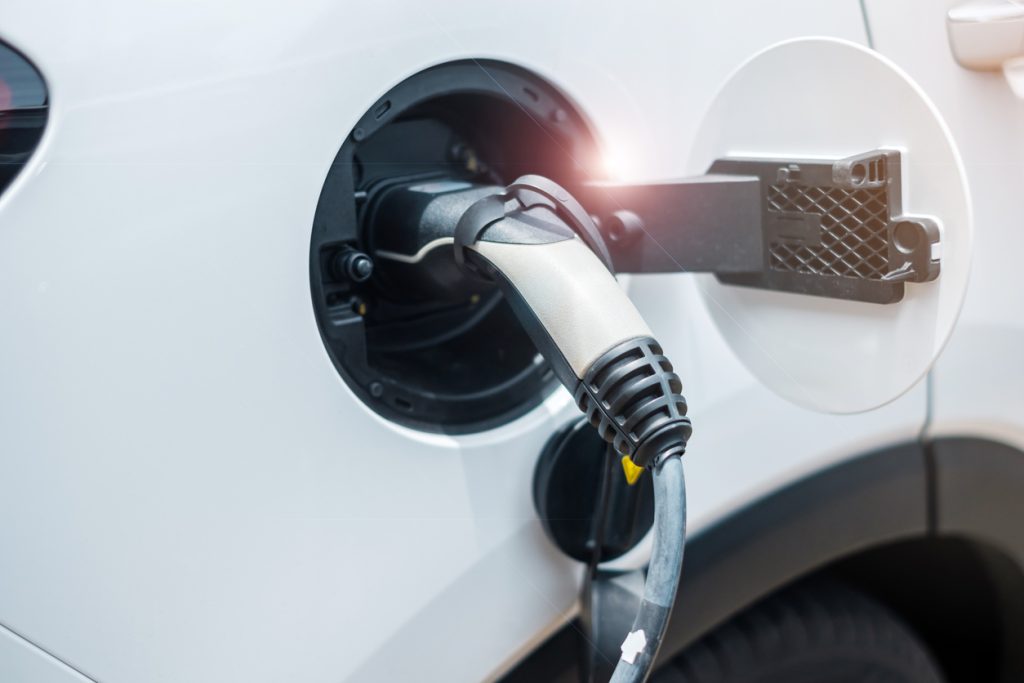
Installing an electric vehicle charger is not simply a matter of fixing a charging unit to a wall and connecting power. A proper EV charging compliance installation involves checking the electrical supply, selecting the right charger, planning cable routes, confirming protective devices, and making sure the installation can safely handle repeated charging loads.
This is becoming more important in Lagos, Abuja, Port Harcourt, and other Nigerian cities where homes, offices, hotels, estates, and commercial properties are beginning to prepare for electric vehicles.
Travo.ng can help coordinate EV charging installation support for customers who want a practical setup rather than an improvised electrical connection.
What Should Be Checked Before an EV Charger Is Installed?
The first issue is the property’s existing electrical capacity.
A charger can place a substantial continuous load on a building, particularly when higher-capacity AC charging equipment is installed. Before work begins, an installer should assess factors such as:
- Available electrical load
- Distribution board condition
- Earthing arrangement
- Circuit protection
- Cable size and routing
- Charger power rating
- Distance between the power source and parking space
- Exposure to rain, heat, and physical damage
For example, installing a charger in a detached house in Lekki may be relatively straightforward if the parking area is close to the distribution board.
An installation inside a large estate, office complex, or underground car park may require longer cable runs, additional isolation equipment, and more detailed load planning.
Avoid Connecting EV Chargers Like Ordinary Household Appliances
One of the biggest mistakes property owners can make is treating an EV charger like a television, refrigerator, or other household appliance.
Vehicle charging may continue for several hours at a time. Poor cable sizing, weak connections, inadequate protection, or overloaded circuits can therefore create overheating and reliability problems.
A compliant EV charger installation should normally have a properly designed dedicated electrical connection rather than being added casually to an already heavily loaded circuit.
The condition of the property’s power system also matters. Nigerian buildings may operate with a combination of grid electricity, generators, solar systems, inverters, and battery storage. The charging setup must be planned around the actual power arrangement.
Generator, Solar and Inverter Capacity Must Be Considered
Many Nigerian EV owners will not rely solely on public electricity.
Suppose a Lagos home already runs air conditioners, refrigerators, water pumps, and other appliances from an inverter or solar-battery system. Adding vehicle charging without checking available capacity can overload that system or drain batteries much faster than expected.
The same applies to offices using large generators.
Before installing an EV charger, determine where the charging power will come from and whether the source can sustain the required load.
Where charging from solar is planned, the installer may also need to consider battery capacity, inverter output, charging schedules, and daytime energy production.
Where Businesses Usually Need EV Charging Points
Commercial demand is likely to grow beyond individual homeowners.
EV charging compliance installation may be required at:
- Hotels
- Corporate offices
- Shopping centres
- Residential estates
- Fleet parking facilities
- Car dealerships
- Restaurants
- Apartment developments
Businesses installing several chargers need more planning than someone installing one charger at home.
If five vehicles arrive at an office and begin charging simultaneously, for example, the electrical demand can become significant. Load management and charging schedules may therefore be necessary instead of allowing every charger to operate at maximum capacity at the same time.
Outdoor Charging Requires Proper Installation Planning
Nigeria’s weather also affects installation decisions.
Chargers installed outside should be positioned and protected appropriately against rain, flooding risk, accidental vehicle impact, and unnecessary cable exposure.
Parking layout matters too.
A badly positioned charger can leave charging cables stretched across driveways or pedestrian routes. Planning the location before installation makes daily charging safer and more convenient.
Schedule EV Charging Installation Through Travo.ng
A good EV charging compliance installation should leave you with a charging point that works safely with the property’s electrical system and is convenient to use every day.
Travo.ng can help customers coordinate EV charger installation requirements for homes, estates, offices, fleet locations, and commercial properties in Nigeria.
Before installation, provide details about your vehicle, charger type, property location, available power supply, and intended charging area. This makes it easier to assess the work required, arrange the right technical support, and avoid costly changes after installation has already started.
