


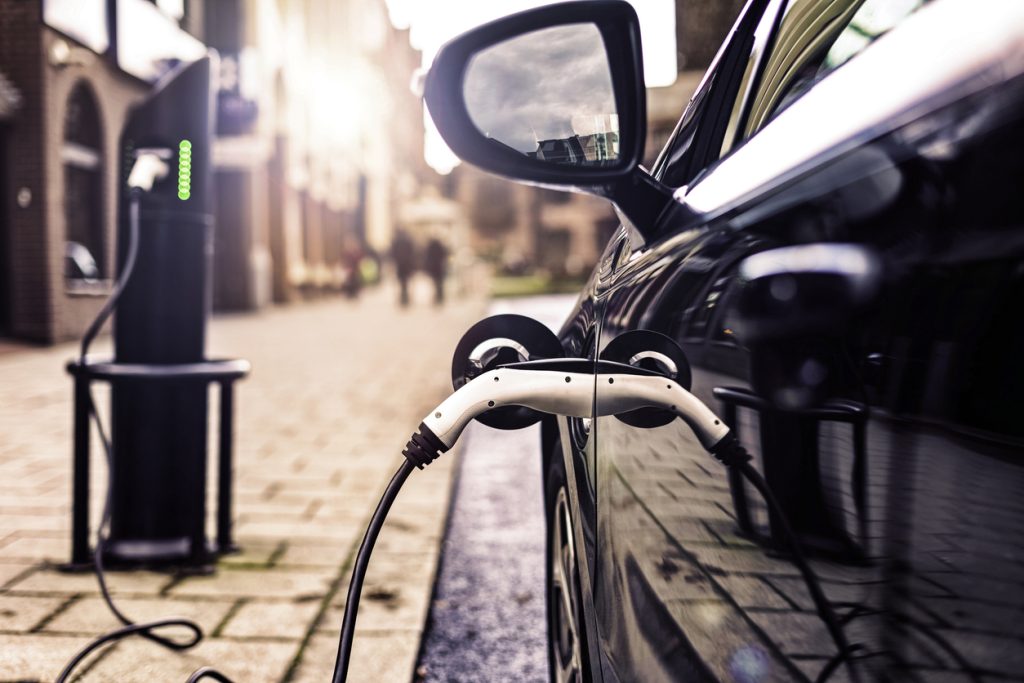
The EV charging station installation price in Nigeria depends on much more than the cost of the charger itself. The type of charging unit, electrical capacity of the building, cable distance, protection equipment, installation location and whether the charger is meant for a home, office or commercial site can all change the final bill.
For someone installing a charger at a Lagos home, the work may be relatively straightforward. A hotel, office complex, filling station or shopping centre planning several charging points will usually need a more detailed electrical assessment, heavier cabling and sometimes upgrades to its existing power infrastructure.
Understanding these costs before buying equipment helps prevent expensive surprises after the charger arrives.
What You Could Pay for an EV Charger Installation
There is no single fixed EV charging station installation price because projects differ considerably.
For a basic residential AC charging setup, customers should budget for the charger itself as well as installation materials and labour. Depending on charger capacity and site conditions, the total project can run from several hundred thousand naira into ₦1 million or more.
Commercial charging projects can cost several million naira, especially where businesses require:
- Multiple charging points
- Faster AC or DC charging equipment
- New distribution boards
- Longer underground or armoured cables
- Load management systems
- Dedicated power supply
- Solar or battery backup
- Civil works for outdoor charging bays
A quotation that only shows the price of the charging unit should therefore not be treated as the total installation cost.
Your Electrical Setup Can Change the Price Quickly
One of the first things an installer should check is the electrical capacity available at the property.
For example, installing an EV charger in a modern Lekki home with a suitable distribution board close to the parking area may require less work than installing the same unit in an older building where the vehicle is parked 30 metres from the main electrical panel.
Longer cable runs increase material and labour costs.
If the building cannot safely handle the additional charging load, further electrical upgrades may also be necessary before installation starts.
Home Charging and Commercial Charging Are Different Projects
Someone charging one electric vehicle overnight usually does not need the same infrastructure as a business expecting several vehicles throughout the day.
Residential users often choose AC chargers because vehicles can remain connected for several hours.
Commercial locations may need faster charging because customers, company drivers or fleet vehicles cannot remain parked all day.
A logistics company operating electric delivery vehicles in Lagos, for example, may need several chargers positioned around its vehicle yard so vans can recharge between shifts. That changes the cabling, power requirements and overall installation budget considerably.
Do Not Forget Transport and Site Logistics
Heavy charging equipment does not simply appear at the installation point.
Depending on the project, chargers, electrical cabinets, mounting equipment and supporting components may need to be moved from a supplier or port to locations such as Lagos, Abuja, Ibadan, Port Harcourt or other parts of Nigeria.
Travo.ng can support businesses with cargo logistics, delivery coordination and transport arrangements when equipment needs to be moved to the project site.
For larger installations, planning equipment delivery before technicians arrive can prevent installation teams from losing working days waiting for materials.
Questions to Ask Before Accepting an Installation Quote
Before paying, confirm exactly what the quotation includes.
Ask whether the price covers:
- EV charging equipment
- Electrical inspection
- Cables and protective devices
- Installation labour
- Mounting or civil works
- Testing and commissioning
- Equipment transportation
- After-installation support
Two quotations may look very different simply because one includes these items while another only covers installation labour.
Planning an EV Charging Project in Nigeria
Getting an accurate EV charging station installation price starts with assessing the actual property rather than relying on a generic online figure.
Know how many vehicles will use the charger, how quickly they need to charge, where the charging point will be installed and whether the property’s existing power system can support it.
For businesses installing charging infrastructure across multiple locations, logistics planning is equally important. Travo.ng can help coordinate the movement and delivery of EV charging equipment, electrical components and other project materials to sites across Nigeria.
Planning the electrical work, equipment purchase and delivery together gives you a much clearer picture of the real cost before installation begins.
