


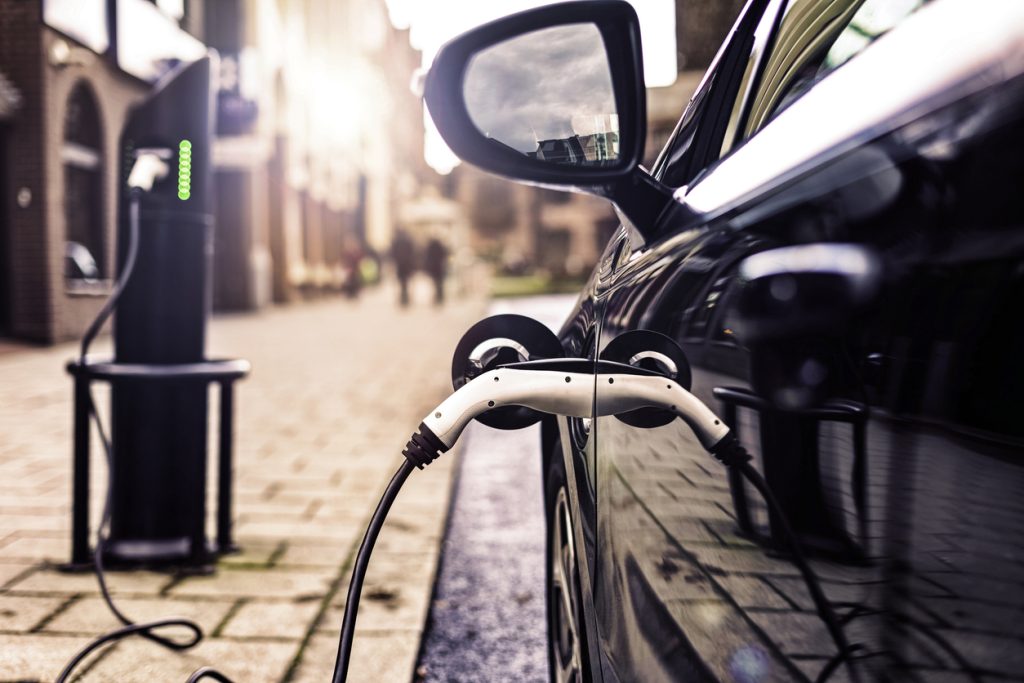
As more electric vehicles enter Nigerian roads, one practical issue quickly becomes important: where and how to charge them safely. Buying an EV is one thing. Installing the right charger, with the correct electrical capacity and protection, is another.
Working with certified EV charger installers helps reduce the risk of poor wiring, overloaded circuits, unreliable charging and avoidable damage to expensive vehicles or electrical systems. For homeowners, offices, hotels, estates and commercial operators, professional installation is becoming an important part of preparing for electric mobility.
Travo.ng can help coordinate EV charger installation support alongside transport, mobility and business logistics requirements.
What a Proper EV Charger Installation Actually Involves
An EV charger should not simply be connected to any available socket.
Before installation, an experienced technician will normally assess the property’s electrical supply, available load and the distance between the distribution board and the proposed charging point.
The installer may also need to determine:
- Whether the property has sufficient electrical capacity
- The appropriate charger power rating
- Cable size and routing
- Circuit breaker requirements
- Earthing and surge protection
- Whether additional electrical upgrades are necessary
- The safest position for the charger
This is particularly important in Lagos, Abuja and other Nigerian cities where residential and commercial properties often combine grid electricity with generators, inverters or solar systems.
Home EV Charging Needs Proper Load Planning
Someone living in Lekki, Ikeja or Abuja may want to install a charger inside a private compound so the vehicle can charge overnight.
The first question should not simply be, “Where should the charger go?”
The installer needs to determine whether the building’s existing electrical system can handle the additional demand.
A higher-capacity charger may charge an EV faster, but installing one on an unsuitable electrical system can create problems. In some properties, upgrading the distribution board or adding a dedicated circuit may be necessary before the charger is commissioned.
This is where certified EV charger installers provide more value than general electrical installation alone.
Businesses Need More Than One Charging Point
Commercial installations can become more complicated.
A hotel in Victoria Island may want EV charging for guests. An office in Ikeja may need chargers for staff vehicles. A logistics business could eventually operate several electric vans from one facility.
Installing multiple chargers without planning their combined load can overwhelm the available power supply.
For larger projects, installers may need to consider load management, charger positioning, parking arrangements and future expansion.
It is often better to prepare infrastructure for additional chargers during the first installation than to repeatedly modify the electrical system later.
How Long Does EV Charger Installation Take?
A straightforward residential charger installation can sometimes be completed within a day once the electrical assessment and equipment are ready.
More complicated installations may take longer, particularly where trenching, long cable runs, electrical upgrades or multiple charging points are involved.
Commercial projects should usually begin with a site assessment before equipment is ordered. This reduces the chance of purchasing a charger that does not match the property’s available power infrastructure.
Mistakes to Avoid When Installing an EV Charger
One common mistake is choosing equipment entirely based on charging speed.
Faster is not always better if the property’s electrical supply cannot support the charger safely.
Other problems include poor outdoor protection, inadequate earthing, undersized cables and positioning chargers where vehicles cannot connect conveniently.
It is also sensible to think ahead. A household with one EV today may own two in a few years, while a company starting with two electric fleet vehicles could eventually operate ten.
Good installation planning should account for that possibility.
Booking Certified EV Charger Installers Through Travo.ng
Finding the right installer can be difficult when you are unsure who has experience with EV charging infrastructure rather than ordinary household wiring.
Travo.ng can help customers coordinate certified EV charger installers for residential, commercial and mobility-related projects. This can include arranging installation support for homes, offices, hotels, estates and businesses preparing for electric vehicle adoption.
Customers can also use Travo.ng for related transport coordination, vehicle hire and business logistics services where required.
As EV adoption grows in Nigeria, reliable charging infrastructure will become increasingly important. Starting with a properly assessed and professionally installed charging system gives vehicle owners and businesses a safer, more practical foundation for everyday electric mobility.
