


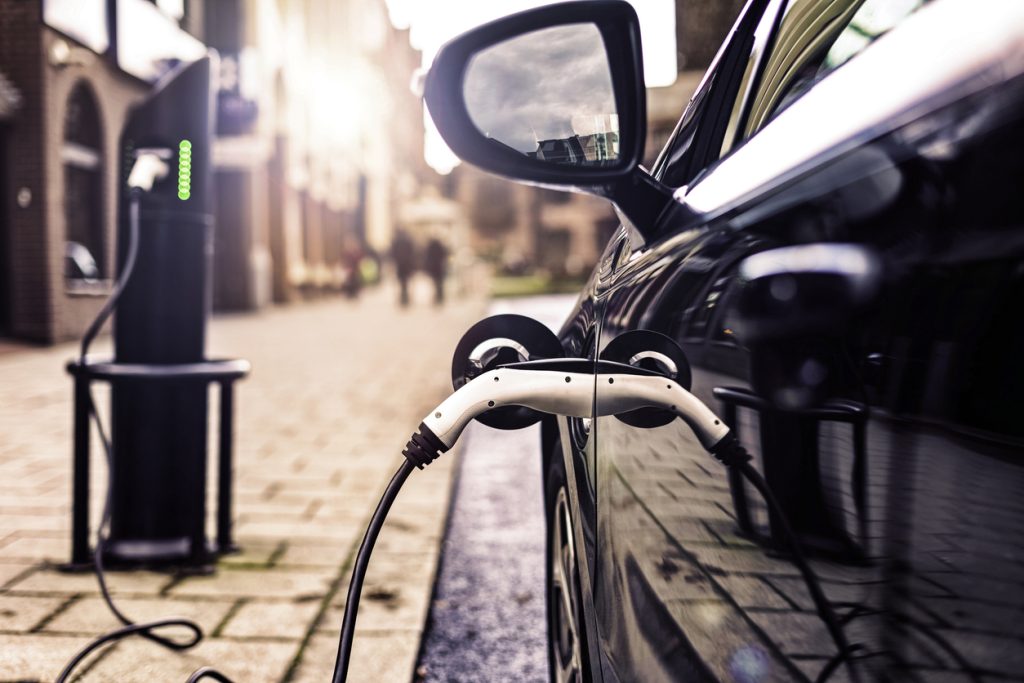
Owning a Hyundai electric vehicle becomes much easier when you can charge it where you normally park. Instead of depending entirely on public charging points, a properly planned Hyundai EV charger installation gives you more control over when the vehicle is charged and how much range is available before your next trip.
For EV owners in Lagos, Abuja and other Nigerian cities, installation is not simply a matter of mounting a charger on a wall. The electrician needs to consider the building’s power supply, available electrical capacity, parking position, cable routing and how the charger will operate alongside other high-load appliances.
Travo.ng can help customers coordinate EV charger installation and related transport or mobility support so that the process is properly planned from inspection to setup.
Check Your Electrical Supply Before Buying a Charger
One mistake new EV owners make is purchasing a charger before checking whether their property can support it.
A technician should first inspect the distribution board, wiring condition, earthing arrangement and available electrical load. This is particularly important in Nigerian homes where air conditioners, water heaters, pumping machines and other heavy appliances may already place considerable demand on the supply.
For example, someone living in a Lekki duplex may have a suitable parking space but discover that the existing electrical panel needs an upgrade before a dedicated EV charging circuit can be installed.
A proper site assessment prevents expensive corrections after the charger has already been purchased.
Where the Hyundai Charger Should Be Installed
The best charging position is usually close to where the vehicle is parked every night.
Installing the unit close to the parking bay reduces unnecessary cable runs and makes daily charging more convenient. For outdoor installations, the mounting position should also be protected as much as possible from flooding, accidental vehicle impact and excessive exposure to harsh weather.
In apartment buildings or shared compounds, permission may also be required before cables can be routed through common areas.
For offices and commercial facilities, installation planning should consider whether one vehicle or several electric vehicles may eventually need charging.
Home Charging Works Best With a Dedicated Circuit
An EV charger draws significant power for extended periods, so it should not simply be connected to whichever household socket happens to be nearby.
A professional Hyundai EV charger installation should normally involve a dedicated electrical circuit with suitable protection and proper earthing.
This becomes even more important in locations where electricity supply switches between PHCN, generators, inverters and solar systems.
The installer needs to understand which power source will supply the charger and whether that source can safely handle the additional load.
If your home operates mainly on solar and battery storage, for instance, the system capacity should be checked before regular EV charging is added.
Think About Your Daily Driving Before Choosing Charging Capacity
Not every Hyundai EV owner needs the fastest charger available.
Someone commuting between Ikeja and Victoria Island may have different charging requirements from a driver regularly travelling between Lagos and Ibadan.
Consider:
- Your average daily kilometres
- How long the vehicle normally stays parked
- Available electrical capacity
- Whether charging will happen mainly overnight
- Future plans for another electric vehicle
For many households, consistent overnight charging is more useful than paying for equipment that the building cannot fully support.
Power Reliability Needs to Be Part of the Installation Plan
Nigeria’s electricity situation makes EV charging planning slightly different from markets with uninterrupted grid supply.
Voltage fluctuations, outages and generator changeovers can affect how and when a vehicle is charged.
Before installation, discuss backup power arrangements with the technician. If the property uses solar, an inverter or another alternative energy source, confirm whether the system is designed to carry the charger without compromising household electricity requirements.
This planning is particularly useful for businesses operating electric fleet vehicles where charging delays can affect the next day’s operations.
What to Expect When Booking Through Travo.ng
Travo.ng helps make Hyundai EV charger installation easier by coordinating the practical parts of arranging the service.
Customers can provide details about their Hyundai EV, property location, available parking space and current electrical setup. From there, the appropriate installation requirements can be assessed before work begins.
Where necessary, customers can also arrange related Travo.ng mobility services such as vehicle transport, driver support or business logistics coordination.
The aim is to avoid the common situation where an EV charger is purchased first and installation problems are discovered afterwards.
Whether you are setting up charging at a private residence in Lagos, an Abuja office or a commercial facility, start with a proper assessment. A correctly installed Hyundai EV charging point should fit your driving routine, property electrical capacity and long-term mobility needs while providing convenient charging whenever your vehicle is parked.
