


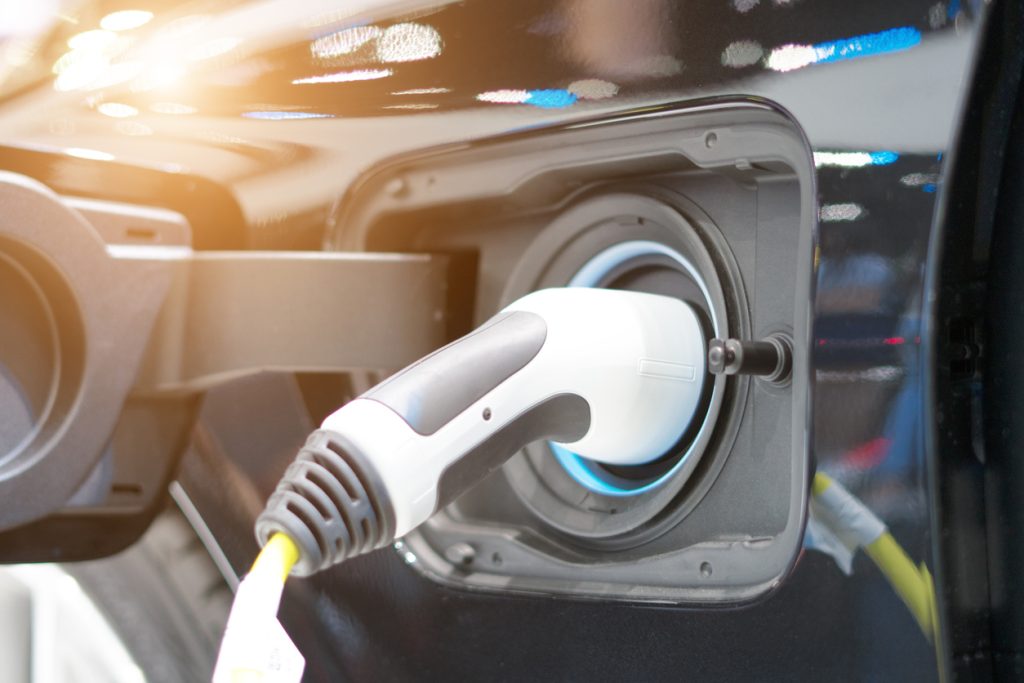
Owning an electric vehicle in Nigeria changes the way you think about fuel, but it also introduces a new concern: what happens when the electricity goes off before your car has enough charge?
EV charging during power outages is becoming an important consideration for private EV owners, company fleets, ride-hailing drivers, and businesses introducing electric vehicles into their operations. In Lagos, Abuja, and other major cities, relying entirely on public electricity for charging can make trip planning difficult.
The practical solution is not to abandon EVs. It is to build charging around Nigeria’s actual power conditions.
Check Your Battery Before the Outage Becomes a Problem
Many charging problems can be avoided by treating an EV more like a working vehicle than a mobile phone. Waiting until the battery is nearly empty before looking for electricity creates unnecessary pressure.
For regular city driving, monitor your remaining range and consider your next day’s movement before parking for the night. Someone commuting between Lekki and Victoria Island will have different charging requirements from a driver regularly covering Ikeja, the airport and the mainland.
Businesses operating EV fleets should be even more deliberate. Charging schedules can be arranged around vehicle dispatch times so that every vehicle does not arrive at the charger with a critically low battery at once.
Backup Power Can Keep an EV Charger Running
A properly designed alternative-energy system can make EV charging possible when grid electricity is unavailable.
Depending on the property and vehicle, this may include:
- Solar panels with battery storage
- An inverter and appropriately sized battery bank
- A hybrid solar and grid system
- A suitably rated generator as temporary backup
- Commercial charging infrastructure with independent power supply
The important issue is capacity. A small household inverter designed for lights, televisions and fans should not automatically be expected to handle an EV charger.
The charger’s power requirement, battery-bank capacity, inverter output and household electrical load must be assessed together. Charging equipment should also be installed by qualified technicians with proper protection, earthing and cabling.
Solar Makes More Sense When the Vehicle Parks for Hours
Solar-assisted charging can work particularly well for homes, offices and fleet yards where vehicles remain parked for long periods during daylight hours.
For example, a company vehicle arriving at an office in Ikeja at 9 a.m. and remaining there until late afternoon has a useful charging window. Solar generation can contribute directly during the day while stored energy can support charging later.
The economics depend heavily on system size and how much driving the vehicle does. Installing solar purely because you own an EV without calculating daily energy consumption can result in an expensive system that still does not meet your needs.
Start with kilometres driven per day, the vehicle’s energy consumption and the amount of charge normally required after each trip.
Public Charging Still Needs a Backup Plan
Public EV charging infrastructure is developing, but Nigerian drivers should avoid planning important journeys around a single charger.
Before travelling, identify alternative charging locations along or near your route. Confirm availability where possible, especially before interstate movement.
For a Lagos-to-Ibadan trip, for instance, your planning should account for the return journey rather than assuming you can always find an available charger immediately at your destination.
Traffic also matters. Heavy congestion around Lekki, Victoria Island, Third Mainland Bridge or central Abuja may increase journey time and energy consumption from air-conditioning and other vehicle systems.
Keep Enough Range for Unexpected Movement
A useful habit is maintaining a reasonable battery reserve instead of regularly arriving home close to zero.
This becomes especially important during prolonged outages. You may suddenly need to drive to the airport, attend a business appointment or move across town before electricity returns.
For companies, dispatch planning can include minimum battery thresholds. A vehicle below the company’s required range can be held for charging while another is assigned to the trip.
This is similar to traditional fleet fuel management, except electricity becomes part of the scheduling decision.
Travo.ng Can Support Mobility When Charging Plans Change
Even a well-planned charging setup can face unexpected interruptions. A prolonged outage, charger fault or unplanned journey may leave an EV unavailable when transport is still needed.
Travo.ng can help coordinate practical alternatives including vehicle hire, airport pickups, driver services, transport arrangements and business mobility support.
For companies introducing EVs into their fleets, having alternative transport arrangements is particularly useful during the transition period.
Reliable EV charging during power outages comes down to preparation. Combine sensible battery management with appropriately sized backup power, plan charging around your normal travel pattern, and maintain alternative transport options for unexpected situations. That makes electric mobility far more practical under everyday Nigerian conditions.
