


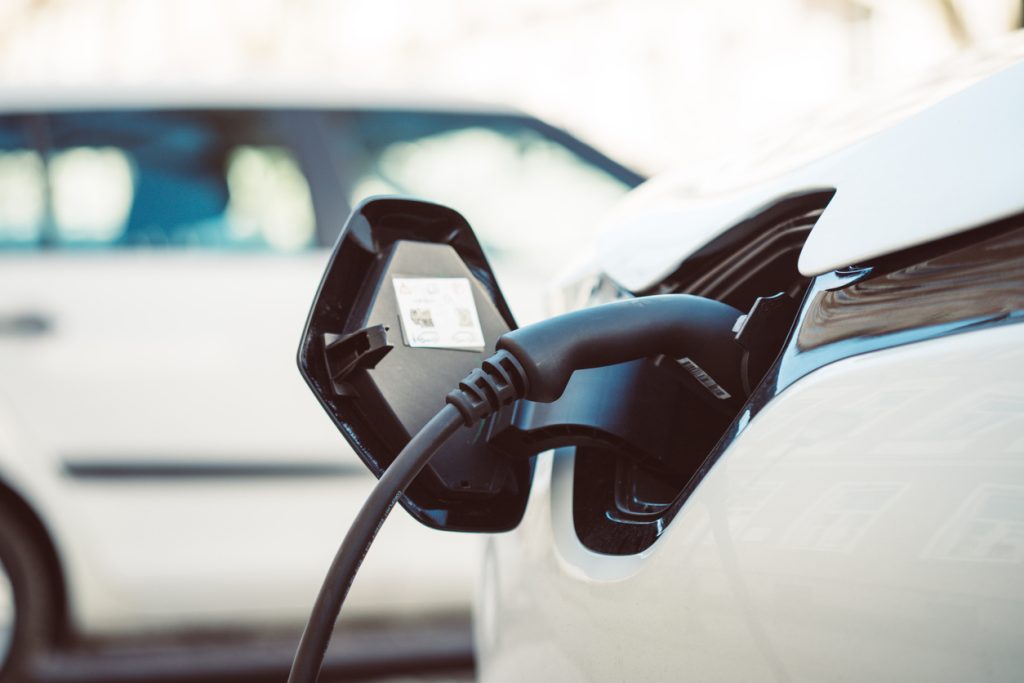
Electric vehicles are still a developing part of Nigeria’s transport market, but commercial property owners are already beginning to think about where drivers will charge them. Offices, hotels, shopping centres, estates, hospitals and mixed-use developments can all benefit from planning EV charging for commercial property before demand becomes much higher.
Installing chargers, however, is not as simple as mounting a unit beside a parking space. The electrical capacity of the building, expected charging demand, parking layout, power reliability and operating costs all have to be considered.
For a commercial property in Lagos, Abuja or another major Nigerian city, getting these details right from the beginning can prevent expensive electrical upgrades or poorly positioned chargers later.
Start With the Property’s Available Power
One of the first questions should be how much electricity the building can comfortably supply.
A commercial property may already be supporting air conditioners, lifts, refrigeration systems, office equipment, lighting and other heavy loads. Adding several EV chargers without checking this demand can put unnecessary pressure on the building’s electrical system.
A proper site assessment should examine:
- Existing electrical capacity
- Maximum building demand
- Number of proposed charging points
- Expected vehicle usage
- Generator, solar or inverter arrangements
- Possibility of expanding the installation later
For example, a small office building expecting employees to charge during an eight-hour working day may not require the same charging speed as a hotel where guests want their vehicles substantially charged overnight.
That difference affects both equipment selection and installation cost.
Choosing Charging Speed Around How People Use the Property
Faster is not automatically better.
Commercial properties should match charging speed to how long vehicles normally remain parked.
At an office complex, cars may sit for six to nine hours. Moderate-speed charging can therefore be practical. Hotels and serviced apartments may also have long parking periods.
A restaurant, supermarket or short-stay commercial facility has a different situation. Customers may only stay for 30 minutes to two hours, making faster charging more attractive where the electrical infrastructure can support it.
This is why planning EV charging infrastructure around actual customer behaviour is more useful than simply purchasing the most powerful charger available.
Lagos Properties Need to Think About Backup Power
Electricity reliability remains an important part of commercial charging planning in Nigeria.
A charger connected to a property with frequent supply interruptions may technically be installed correctly but still deliver a frustrating customer experience.
Commercial operators should therefore consider how charging fits into their wider power system. Depending on the property, this could involve grid supply supported by solar, battery storage or other backup arrangements.
Load management can also help. Instead of allowing every charger to draw maximum power simultaneously, a managed charging system can distribute available capacity between connected vehicles.
This becomes particularly useful for offices, residential estates and fleet parking facilities planning several charging points.
What Can Increase EV Charger Installation Costs
There is no useful single price for every commercial installation because sites differ considerably.
Cost can rise when the charging area is far from the electrical distribution board, substantial cabling is required, underground trenching is needed or the property requires an electrical capacity upgrade.
Other cost considerations include protective equipment, charger type, mounting structure, civil works, networking and payment functionality.
A property installing one charger beside an existing suitable power point will naturally have a very different budget from a shopping complex preparing 10 or 20 EV parking bays.
Getting the site assessed before purchasing equipment reduces the risk of buying chargers that the property cannot efficiently support.
Plan Parking Space and Vehicle Movement Carefully
Charging infrastructure also affects how vehicles move around the property.
Chargers should be installed where drivers can park conveniently without blocking entrances, loading areas or normal traffic flow. Cable reach, signage and protection from accidental vehicle impact should also be considered.
For busy Lagos commercial properties, poorly positioned charging bays can create unnecessary congestion during peak arrival and departure periods.
Properties expecting delivery vans or company vehicles should consider whether separate charging locations are required for fleet operations.
Prepare for More Chargers Than You Need Today
A common mistake is designing only for current demand.
If a property requires two charging points now but could need eight within several years, preparing conduits, electrical routes and sufficient distribution capacity during the first installation may make future expansion much easier.
This is particularly important for newly built hotels, corporate offices, shopping developments and residential-commercial estates.
EV adoption does not need to be massive today for future-ready infrastructure to make commercial sense.
Arrange EV Charging Support With Travo.ng
Travo.ng helps businesses and commercial property operators coordinate practical mobility and energy-related solutions, including EV charging for commercial property.
Whether the requirement involves an office building, hotel, commercial estate or business vehicle facility, the process should begin with understanding the site, expected vehicle demand and available electricity rather than simply selecting a charger online.
Travo.ng can help coordinate the appropriate service so property owners can plan charging infrastructure around their actual operations while keeping future expansion in mind.
For businesses already managing vehicle hire, staff transport, fleet movement or other mobility requirements through Travo.ng, EV charging can also form part of a broader approach to improving how vehicles are supported at commercial premises.
