


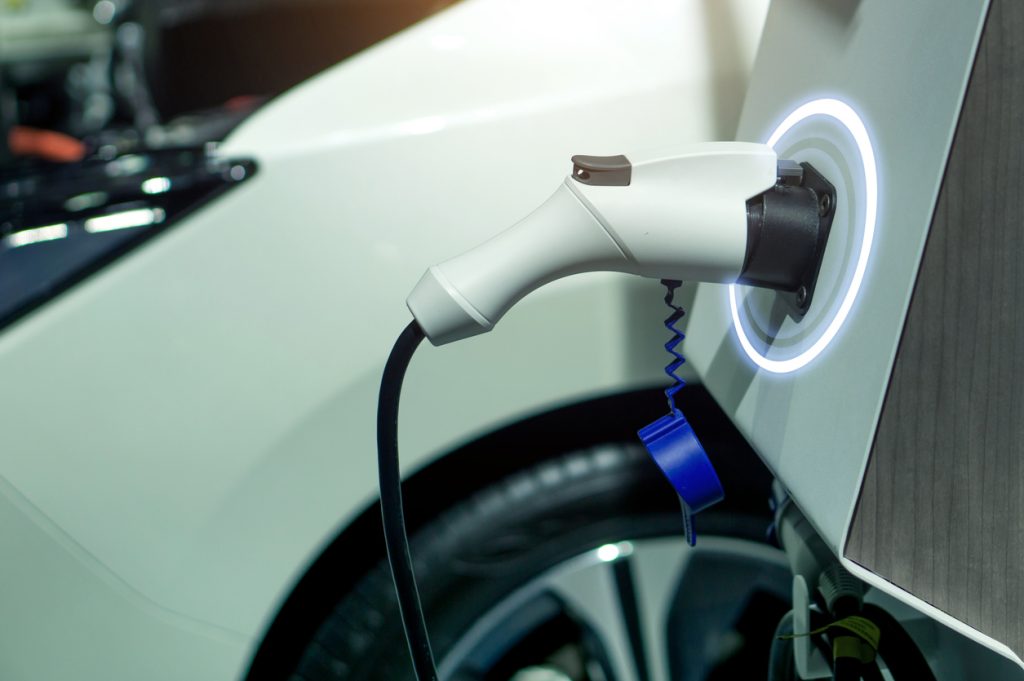
Planning EV charging for new office building projects is becoming a practical consideration for developers and businesses in Nigeria. Even when only a few employees currently drive electric vehicles, installing the right infrastructure during construction is usually easier than trying to retrofit chargers after the building is occupied.
For offices in Lagos, Abuja and other major commercial centres, the real challenge is not simply buying chargers. You need to consider available power, parking layout, future demand, installation costs and how charging will work during Nigeria’s frequent power interruptions.
Travo.ng can help businesses coordinate EV charging installation alongside other mobility and energy requirements, making it easier to prepare a new workplace for electric vehicles.
Plan the Charging Points Before the Car Park Is Finished
The best time to plan workplace EV charging is while electrical and parking designs can still be changed.
Running cables, installing conduits and allocating electrical capacity becomes more complicated once paving, ceilings and finished walls are already in place. For a new office development, identify where EVs will park and how cables will travel from the distribution board to each charger.
Even if the company initially needs only four chargers, it may be sensible to prepare additional bays for future expansion.
For example, an office with 100 parking spaces could install chargers in a small number of bays while providing electrical pathways for another 10 or 20 spaces. That reduces disruption when EV adoption increases.
How Many EV Chargers Does a New Office Actually Need?
There is no useful one-size-fits-all number.
A company should first estimate:
- Number of employees and regular visitors
- Current number of electric vehicles
- Expected EV adoption over the next three to five years
- Average employee parking duration
- Fleet vehicles that may require dedicated charging
- Whether customers or visitors will use the chargers
Most office vehicles remain parked for several hours. This means every workplace charger does not necessarily need to provide the fastest possible charging speed.
Several appropriately sized AC chargers can sometimes make more operational and financial sense than installing expensive high-powered chargers throughout the car park.
Check the Building’s Power Capacity Before Buying Chargers
This is where some projects get expensive.
Ten chargers do not simply mean purchasing ten units and mounting them on a wall. The electrical team must determine how much simultaneous charging the building can support alongside lifts, air conditioning, lighting, servers and other office equipment.
A Lagos commercial building already operating close to its electrical capacity may require upgrades before additional EV loads can be introduced.
Load management can help. Instead of allowing every connected vehicle to draw maximum power simultaneously, a smart charging system can distribute available capacity according to demand.
What Happens When Grid Power Goes Off?
An EV charging plan in Nigeria should account for backup power from the beginning.
If the office relies on generators, solar panels, batteries or a hybrid energy system, determine whether EV chargers will remain active when grid supply fails. Running several chargers from a diesel generator can significantly increase fuel consumption.
For buildings incorporating solar and battery storage, charging schedules can also be designed around available energy.
This is especially relevant for offices occupied throughout the working day, when solar generation is often available.
Budget Beyond the Price of the Charger
The charger itself is only one part of the project cost.
A realistic budget for EV charging for new office building developments should consider electrical cabling, distribution equipment, protective devices, civil works, mounting equipment, software, signage and installation labour.
Distance matters too. A charging bay located far from the building’s electrical room can require substantially more cabling and construction work.
Before approving a quotation, ask for a site-specific breakdown rather than comparing charger prices alone.
Decide Who Can Charge and Who Pays
Access rules should be agreed before the office opens.
Will charging be free for employees? Will visitors pay? Are company fleet vehicles given priority? Can staff reserve charging bays?
A workplace with several EV drivers but only a few chargers may need booking rules or time limits to prevent vehicles occupying charging spaces all day after their batteries are full.
Smart charging platforms can support user identification, energy monitoring and usage records where these controls are required.
Get Your New Office Ready for Electric Vehicles
Installing charging infrastructure during construction gives businesses more flexibility than waiting until demand becomes urgent.
Travo.ng can support businesses looking for EV charging for new office building projects by helping coordinate practical charging and energy solutions around the property’s operational requirements.
The objective should not be to install as many chargers as possible. It should be to create a system that matches today’s demand, works with the building’s available power and can expand without major reconstruction as more employees and business fleets move to electric vehicles.
