


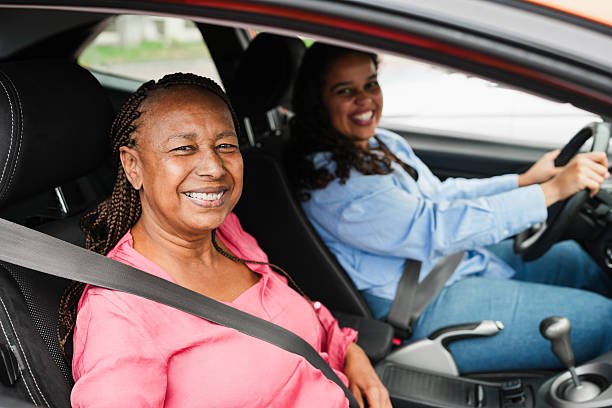
A practical driving test is the part of the Nigerian driving licence process where you demonstrate that you can safely control and operate a vehicle on the road. It tests more than simply knowing how to move a car; you need to show proper observation, control, signalling and understanding of road rules.
If you are preparing for your first driving licence, regular practice with a qualified instructor can make the test much easier.
What Happens During a Practical Driving Test?
You may be assessed on your ability to handle common driving situations, including:
- Moving off safely
- Steering and maintaining proper lane position
- Using mirrors correctly
- Signalling before manoeuvres
- Stopping and starting
- Turning and changing direction
- Reversing and parking
- Controlling the vehicle on inclines
- Responding appropriately to traffic and road signs
- Demonstrating general road awareness
The exact assessment process can vary, so it is important to follow the instructions given at your testing centre.
What Do Examiners Look For?
Good vehicle control is important, but examiners are also looking at how safely you drive.
You should demonstrate that you can observe your surroundings, check mirrors before manoeuvres, use indicators appropriately and react calmly to other road users.
Simple mistakes such as failing to check properly before moving off or making an unsafe manoeuvre can affect your result.
How to Prepare for the Practical Driving Test
The best preparation is consistent practice rather than trying to learn everything a few days before the test.
Practise in different conditions, including quieter roads and busier areas. Get comfortable with both normal traffic and situations involving pedestrians, motorcycles, buses and other vehicles.
If you are learning with an instructor, spend extra time practising the manoeuvres you find difficult.
Manual or Automatic Driving Test?
You can prepare using the type of vehicle you intend to drive. Automatic cars can be easier for beginners because there is no clutch or manual gear changing to manage.
However, manual driving gives you greater flexibility if you expect to drive different types of vehicles.
Whichever you choose, focus on smooth control, observation and safe decision-making rather than simply memorising a route.
Common Mistakes During the Test
Some candidates become nervous and rush actions they normally perform correctly.
Common mistakes include:
- Forgetting mirror checks
- Signalling too late
- Poor steering control
- Moving off without proper observation
- Driving too fast for the conditions
- Misjudging turns
- Poor parking or reversing technique
- Becoming distracted by the examiner
Stay calm and listen carefully to the instructions before carrying out each manoeuvre.
What Happens After the Practical Test?
If you pass the required stages, you can continue with the relevant driving licence process. If you do not pass, use the experience to identify the areas that need more practice before attempting the test again.
It is better to become genuinely comfortable behind the wheel than to practise only for the test itself.
Why Choose Travo.ng?
Travo.ng can support your transportation needs while you are learning to drive or completing your licensing process. If you need reliable transport for work, school, airport trips, business appointments or interstate journeys, vehicle hire and transport coordination can provide a practical alternative while you are not yet driving independently.
Prepare for Real Nigerian Roads
Passing a practical driving test is only the beginning. Driving in Nigeria can involve heavy traffic, motorcycles, pedestrians, poorly maintained roads and unpredictable road users.
Learning proper observation and defensive driving will help you beyond the test and make you a safer driver in everyday Nigerian traffic.
