


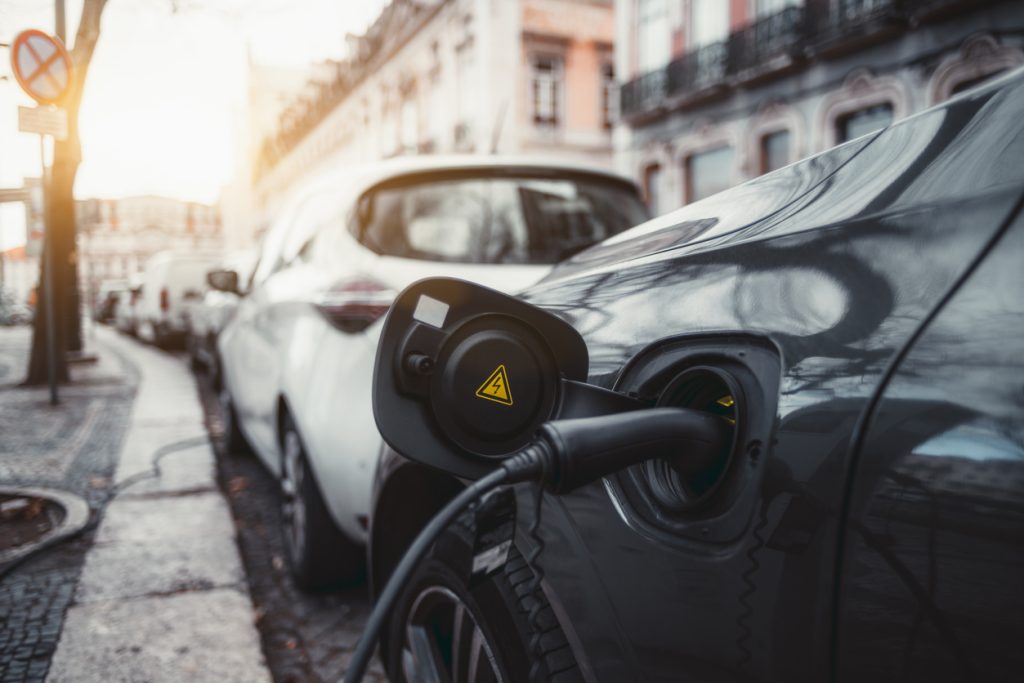
A Retail EV charging station can turn an ordinary commercial property into a more useful stop for electric vehicle owners. For shopping malls, supermarkets, restaurants, hotels and mixed-use developments in Nigeria, charging facilities can also help attract customers who are likely to remain on-site while their vehicles charge.
The important part is choosing a charging setup that matches how customers actually use the location. A charger installed at a supermarket in Lekki may need a different configuration from one serving a hotel in Abuja or a roadside commercial centre along the Lagos–Ibadan corridor.
Travo.ng can help businesses coordinate practical EV charging solutions alongside transport, mobility and logistics support.
Where a Retail EV Charging Station Makes the Most Sense
Charging works best where drivers already spend some time.
Suitable locations include:
- Shopping malls and supermarkets
- Hotels and serviced apartments
- Restaurants and leisure centres
- Office complexes
- Fuel and service stations
- Large retail plazas
- Car parks serving busy commercial districts
A customer spending 45 minutes shopping does not necessarily need the same charging speed as a hotel guest whose vehicle may remain parked for several hours.
That difference affects the charger type, electrical load and overall installation cost.
Choosing Charging Speed Around Customer Behaviour
Most businesses should start by looking at average customer parking time.
For a retail location where visitors stay for one to three hours, AC charging may be practical. Faster DC equipment becomes more attractive where drivers expect shorter stops and want meaningful additional range before continuing their journey.
Installing the fastest charger available is not automatically the best decision. Higher-powered equipment can require substantially more electrical infrastructure and may increase both installation and operating costs.
A proper site assessment should consider available power capacity, parking layout, expected daily charging sessions and future expansion.
Lagos Power Conditions Need to Be Considered Before Installation
Electricity reliability is one of the biggest practical issues when planning EV charging infrastructure in Nigeria.
A commercial property operating partly on grid electricity, generators, solar or battery storage needs to know how the charger will fit into its existing power arrangement.
For example, a busy retail plaza in Victoria Island with air-conditioning, lifts, cold rooms and other heavy electrical loads may not have enough spare capacity to simply add several EV chargers.
Load management, battery storage or solar integration may therefore become part of the project.
This is one reason businesses should assess the entire site instead of treating the charger as a standalone appliance.
What Can Affect Retail EV Charging Station Cost
There is no single installation price that works for every commercial property.
Costs normally depend on factors such as:
- Charger capacity and charging speed
- Number of charging bays
- Existing electrical infrastructure
- Distance between the power source and parking area
- Cabling and civil works
- Payment or user authentication systems
- Solar or battery integration
- Protective equipment and installation requirements
A site requiring new distribution equipment, trenching and significant electrical upgrades will naturally cost more than one that already has sufficient capacity close to the parking area.
Businesses should therefore request a site-specific assessment before budgeting.
Make the Charging Area Easy for Drivers to Use
Poor positioning can reduce the usefulness of an otherwise good charging station.
Charging bays should be clearly marked and easy to enter without disrupting normal traffic around the property. Cables should comfortably reach the vehicle connection point, while bollards or similar protection can help prevent accidental damage to equipment.
Retail operators should also consider how they will prevent non-electric vehicles from occupying charging spaces during busy periods.
In areas such as Ikeja, Lekki, Victoria Island or Abuja’s central districts, where commercial parking is already limited, parking management can be just as important as charger capacity.
Planning for More Electric Vehicles Later
Nigeria’s EV market is still developing, so businesses do not always need to install many chargers immediately.
A sensible approach may be to begin with a smaller number of charging points while preparing electrical infrastructure for future expansion.
For example, a shopping centre could activate two chargers initially but install cabling or distribution capacity that makes adding another four units easier later.
This reduces the risk of repeatedly reopening parking areas for major electrical work as demand increases.
Arrange Your Retail EV Charging Station With Travo.ng
Setting up a Retail EV charging station involves more than purchasing charging equipment. Site suitability, electricity supply, customer parking behaviour, charger capacity and future demand all need to work together.
Travo.ng helps businesses coordinate practical mobility and energy-related solutions for commercial locations in Nigeria. Whether you operate a mall, hotel, supermarket, office complex or roadside retail facility, the first step should be assessing how drivers use your site and what electrical infrastructure is already available.
With proper planning, EV charging can become a useful customer service rather than an expensive installation that rarely gets used.
