


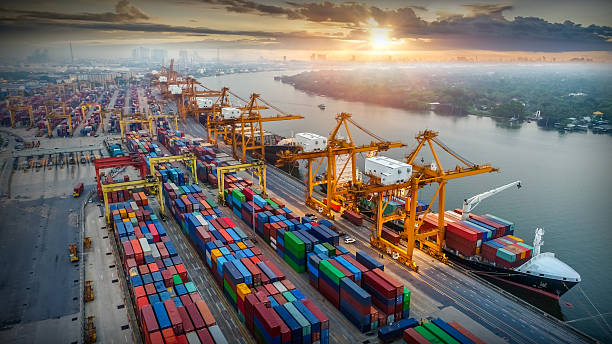
LCL shipping from China, meaning Less than Container Load, is a sea freight option for importers whose goods do not require an entire shipping container. Instead of booking a full container, your cargo is consolidated with shipments belonging to other importers travelling toward the same destination. (Flexport)
This makes LCL particularly useful for small and medium-sized businesses importing from Alibaba, 1688, Yiwu, Guangzhou, Shenzhen, Foshan and other Chinese sourcing markets.
How LCL Shipping from China Works
The process generally follows these stages:
- Supplier delivery: Your Chinese suppliers send the goods to a designated warehouse or Container Freight Station (CFS).
- Cargo receiving: The shipment is weighed, measured and checked. Package details should be accurate because LCL freight is commonly assessed using cargo volume and weight.
- Consolidation: Your goods are combined with other importers’ cargo inside a shared container.
- Ocean shipping: The consolidated container is transported by sea to the destination country.
- Deconsolidation: At the destination, the shared container is opened and individual shipments are separated for customs clearance and delivery.
- Final delivery: After the necessary import procedures are completed, your cargo can be delivered to your warehouse, shop or other destination.
How Much Does LCL Shipping Cost?
LCL freight is generally influenced by the volume of your cargo in cubic metres (CBM) and its weight. Other charges can include origin handling, consolidation, destination handling, customs clearance, port charges and inland delivery.
This means a very cheap advertised LCL ocean rate may not represent your complete shipping cost. When comparing quotations, ask what is included and whether destination charges and delivery are covered.
When Should You Use LCL?
LCL can be a good choice when you have commercial cargo but not enough to justify a full container.
For example, an importer buying several cartons of clothing, accessories or electronics from different suppliers can send the orders to one China warehouse and consolidate them before shipping.
It is also useful for businesses testing a new product or importing smaller quantities regularly rather than waiting until they have enough stock to fill a container.
LCL vs FCL
LCL means sharing container space with other importers and paying according to the shipment’s chargeable volume or weight.
FCL means booking an entire container for your cargo.
LCL usually makes more sense for smaller shipments, while FCL can become more attractive as cargo volume increases. The comparison should include all origin and destination charges rather than looking only at the ocean freight rate.
What Goods Can Be Shipped by LCL?
LCL can be suitable for many general commercial products, including clothing, household goods, electronics, accessories, spare parts and other properly packaged merchandise.
However, restricted, hazardous, fragile or temperature-sensitive products may require special handling. Always disclose the actual nature of your goods before booking.
How Travo.ng Can Help
Travo.ng can help coordinate LCL shipping from Chinese suppliers by supporting supplier collection, warehouse consolidation, cargo preparation, freight planning and delivery coordination.
If you are buying from multiple suppliers in Guangzhou, Shenzhen, Yiwu or other Chinese markets, Travo.ng can help organise the orders before they are shipped internationally.
Before requesting an LCL quotation, prepare the supplier locations, product descriptions, number of cartons, dimensions, total weight and final destination. Accurate cargo information makes it easier to compare LCL with FCL or air freight and choose the most suitable option.
