


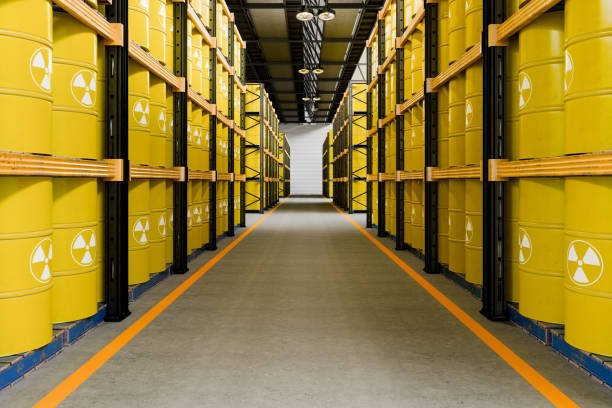
An international buyers warehouse in China provides a central location where overseas customers can receive goods from Chinese suppliers before shipping them to their home country. It is especially useful for buyers who purchase from multiple suppliers on Alibaba, 1688, Taobao, Yiwu markets or directly from factories.
Instead of arranging international delivery for every order, buyers can have their purchases delivered to one warehouse for receiving, inspection, storage and consolidation.
How an International Buyers Warehouse Works
The process usually follows these steps:
- Receive a warehouse address: Your logistics provider gives you the warehouse details and a customer reference for identifying your cargo.
- Send supplier orders there: Chinese suppliers deliver your packages to the warehouse.
- Receive and record packages: Warehouse staff check incoming shipments and match them with your account or reference.
- Inspect and measure: Depending on the service, goods can be weighed, measured, photographed and checked for visible damage.
- Store the goods: Your purchases can remain at the warehouse while you wait for other suppliers to finish their orders.
- Consolidate the cargo: Multiple packages can be combined and repacked where appropriate.
- Ship internationally: The consolidated goods can then be sent by air or sea to the required destination.
Why International Buyers Use China Warehouses
A China warehouse is particularly useful when an overseas buyer is dealing with several suppliers. Rather than managing multiple international shipments, the buyer has one location where all purchases can be received and organised.
Consolidation can also simplify shipment tracking and may reduce the need for separate international freight arrangements. However, savings are not guaranteed and depend on cargo weight, volume, packaging and freight method.
For commercial buyers, warehouse inspection can also help identify missing packages or obvious damage before the goods leave China.
Air Freight or Sea Freight?
Air freight is generally suitable for smaller shipments or orders that need to arrive quickly.
Sea freight is usually more practical for large, heavy or bulky commercial cargo. Buyers with smaller quantities can also consider consolidated sea freight instead of booking an entire container.
The right option depends on the destination, cargo type, size, weight and delivery urgency.
What to Check Before Choosing a Warehouse
Before using an international buyers warehouse in China, confirm:
- Warehouse location
- Receiving and package identification process
- Storage period and charges
- Inspection and photography options
- Repacking and consolidation fees
- Weight and dimension calculations
- Air and sea freight options
- Export documentation support
- Destination customs arrangements
- Final delivery options
Ask for a complete cost breakdown so warehouse and destination charges do not come as unexpected expenses.
How Travo.ng Can Help
Travo.ng can help international buyers coordinate China shipping arrangements, including warehouse coordination, cargo consolidation and freight planning where applicable.
For buyers sourcing from several Chinese suppliers, having a central warehouse can make it easier to organise purchases before export and maintain better visibility over the shipment.
Whether you are a small online seller or a growing importer, a properly managed China warehouse can make international sourcing and shipping more organised and easier to scale.
