


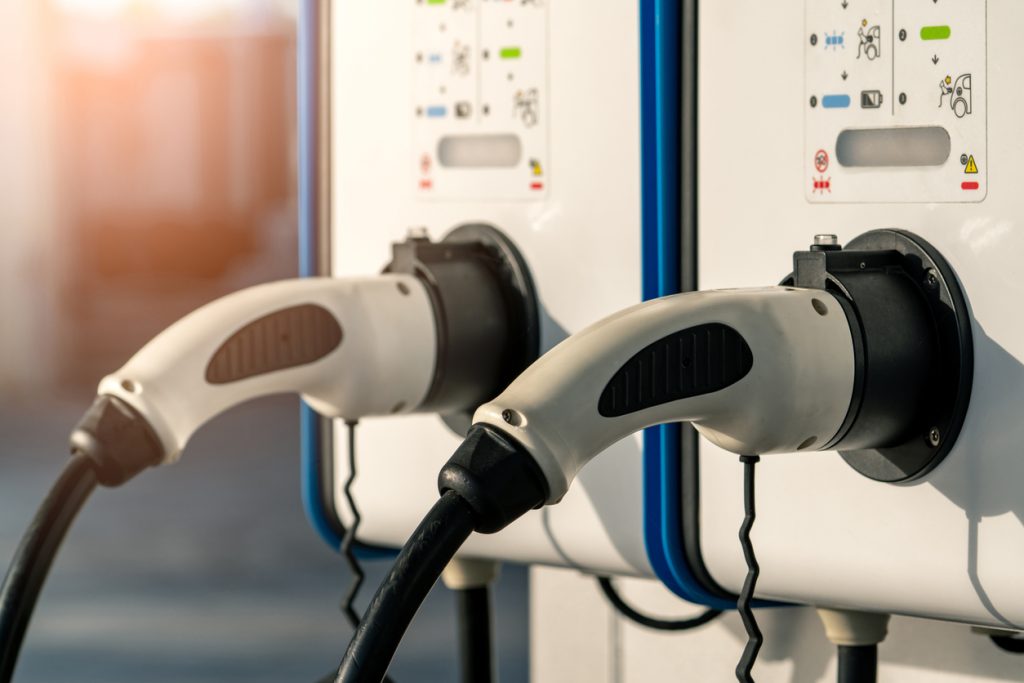
EV charging for real estate developers is becoming a practical infrastructure consideration rather than something to leave for the distant future. As electric vehicles gradually enter Nigeria’s transport market, developers of residential estates, shopping centres, hotels, office complexes, and mixed-use properties need to think about where residents and visitors will charge them.
The challenge is not simply installing a charging unit beside a parking space. Developers have to consider available power, parking design, electricity costs, future demand, security, maintenance, and how charging will work when grid supply is unreliable.
For projects in Lagos, Abuja, Port Harcourt and other major cities, planning these details during development is usually easier than trying to redesign a completed property later.
Where EV Chargers Should Sit in a Property
Location makes a major difference.
In a residential estate, chargers may work best around dedicated resident parking areas rather than directly at the entrance. An office development may need chargers close to staff parking, while a shopping centre could provide several bays where customers can charge during longer visits.
Developers should consider:
- Distance between the electrical supply and charging bays
- Vehicle movement through the car park
- Protection from accidental vehicle impact
- Drainage and weather exposure
- Security and lighting
- Space for additional chargers later
Running new electrical cables through an already paved compound can become expensive and disruptive. Providing conduits, cable routes and reserved charging bays while construction is still ongoing makes future expansion considerably easier.
The Power Supply Is Often the Bigger Question
Installing a charger is only one part of the job. The property must also have enough electrical capacity to support it.
A development already running lifts, air conditioners, water pumps, security systems and other equipment can place significant demand on its power infrastructure. Adding several EVs charging simultaneously may increase that load further.
This is particularly important in Nigeria, where many developments combine grid electricity with generators, solar systems, inverters or battery storage.
A practical EV charging plan should therefore assess expected charging demand alongside the property’s existing energy consumption. In some developments, load management can stagger charging instead of allowing every vehicle to draw maximum power at the same time.
How Many Charging Points Should Developers Install?
Installing a charger for every parking space from day one may not be necessary.
A better approach for many new developments is to make the property EV-ready.
For example, an estate with 100 parking spaces might initially install chargers in only a small number of bays while preparing electrical routes and infrastructure that allow more units to be added as demand grows.
The correct number depends on the property.
A luxury apartment development in Lekki may experience different demand from a warehouse in Ogun State or an office development in Abuja. Developers should consider the expected occupants, average parking duration and likely growth in EV ownership before deciding.
Charging Speed Should Match How Long Vehicles Stay
Not every property requires the fastest charger available.
Residents who park overnight usually have several hours available for charging. Office workers may leave their vehicles for most of the working day. Visitors to a hotel, shopping centre or transport facility may expect a different charging experience.
Choosing unnecessarily powerful equipment can increase installation costs and electrical requirements without delivering much practical advantage.
The objective should be to match charging capacity with actual parking behaviour.
EV Charging Can Become Part of a Modern Property Offering
For developers competing for corporate tenants, premium residents or environmentally conscious businesses, charging infrastructure can strengthen a property’s long-term appeal.
It can also prevent a situation where residents begin requesting individual charging installations that were never considered in the original electrical or parking design.
Planning centrally gives property managers better control over electrical loading, parking allocation, billing and maintenance.
Planning EV Charging Before Construction Saves Problems Later
The most practical time to consider EV charging for real estate developers is during the design and infrastructure stage.
Developers should coordinate parking layouts, electrical capacity, backup power systems, cable routes and future expansion before major finishing work is completed.
Travo.ng can support developers and businesses planning EV-related infrastructure alongside transport, mobility, energy and operational requirements. This can include coordinating practical solutions for residential estates, commercial developments and other properties preparing for changing mobility needs in Nigeria.
Building for electric vehicles does not mean installing dozens of chargers immediately. It means designing a property that can accommodate them without expensive reconstruction when demand eventually arrives.
