


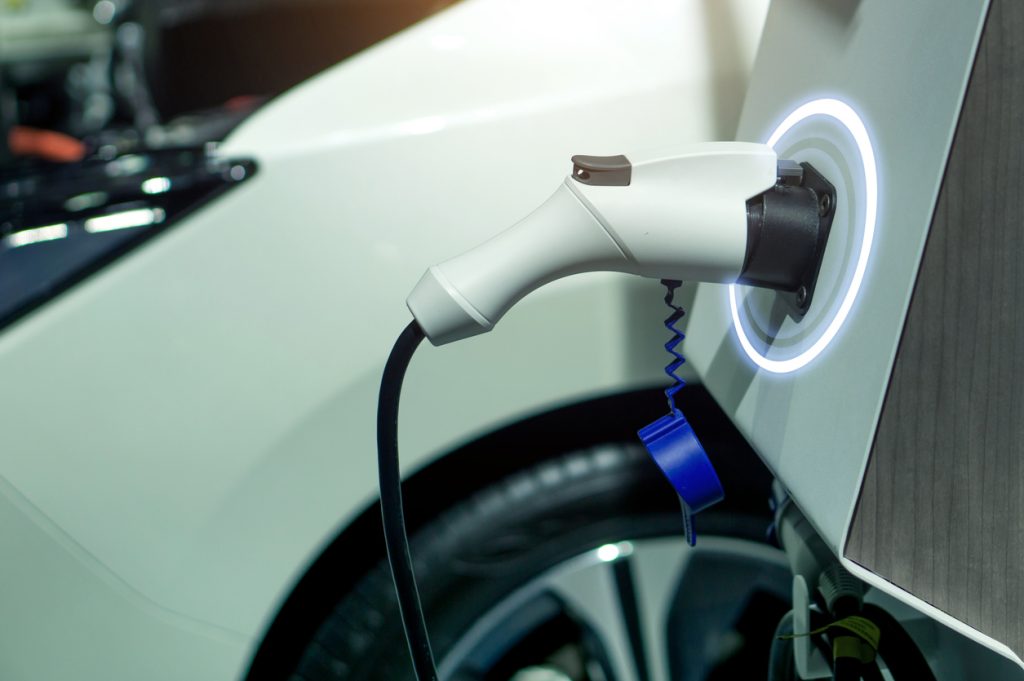
Electric vehicles are still developing as a mainstream transport option in Nigeria, but hotels are already in a good position to prepare for growing demand. Installing EV chargers for hotels gives guests, corporate visitors, airport-transfer operators and fleet users somewhere practical to recharge while their vehicles are parked.
For hotels in Lagos, Abuja and other major business cities, charging infrastructure can also become part of a wider guest transport strategy. A visitor arriving at a hotel in Victoria Island, Ikeja, Wuse or Maitama may leave a vehicle parked for several hours or overnight, which creates an ideal charging window.
Travo.ng can support hotels with the logistics and transport coordination involved in introducing EV charging infrastructure alongside existing hotel mobility services.
Start With How Long Vehicles Normally Stay at Your Hotel
Hotels should not choose chargers simply because one model has the highest advertised charging speed.
The better question is how guests actually use the property.
A business hotel where vehicles remain overnight may comfortably use AC chargers because cars have several hours to recharge. An airport hotel serving short-stay travellers or commercial fleets may require faster charging because vehicles need to return to the road quickly.
Typical situations include:
- Overnight charging for hotel guests
- Charging executive and corporate vehicles
- Supporting electric airport-transfer cars
- Charging hotel-owned transport vehicles
- Providing charging for event and conference visitors
Understanding these patterns prevents a hotel from spending heavily on charging capacity that guests rarely need.
Lagos Hotels Need to Plan Around Power Capacity
Adding an EV charger is not the same as installing another hotel appliance.
A hotel already operates air conditioners, refrigerators, elevators, kitchen equipment, water heaters, lighting and other high-demand systems. Several electric vehicles charging simultaneously can place additional pressure on the property’s electrical infrastructure.
Before installing EV chargers for hotels in Lagos, the property’s available load should therefore be assessed carefully.
Hotels operating with grid electricity, generators, solar systems and battery storage should also consider how charging fits into their existing energy arrangement. Smart charging systems can help control when vehicles charge instead of allowing every connected vehicle to draw maximum power at once.
For example, overnight charging may be easier to manage when conference facilities, kitchens and other daytime-heavy equipment are operating at lower loads.
Charger Location Can Affect the Guest Experience
A charger hidden behind a service building may technically work, but it creates unnecessary inconvenience.
Hotel EV charging bays should ideally be:
- Easy for arriving guests to locate
- Close enough to the main parking area
- Clearly marked to prevent petrol vehicles from blocking them
- Well lit and accessible at night
- Protected from unnecessary vehicle movement
Hotels should also decide how reception, security and parking staff will manage charging requests.
A guest arriving after midnight should not have to speak to several employees before finding someone who understands how the charging point works.
Think About Airport Transfers and Hotel Transport Fleets
The strongest business case may eventually extend beyond individual hotel guests.
Hotels frequently coordinate airport pickups, executive transportation, conference transfers and vehicle hire. An electric vehicle completing a Lagos airport pickup, for example, could recharge while waiting for the next scheduled movement.
A hotel operating or working with electric transport fleets could therefore use charging infrastructure to reduce unnecessary trips to external charging stations.
Travo.ng already supports practical mobility needs such as airport pickups, vehicle hire, travel arrangements and transport coordination, making EV charging particularly relevant where accommodation and transportation operations overlap.
Avoid Installing More Chargers Than You Can Operate Properly
Hotels sometimes focus on the number of charging points rather than whether those chargers will remain dependable.
Two properly installed and managed chargers are more useful than six units that constantly experience power interruptions, blocked parking spaces or maintenance problems.
Before committing to an installation, hotels should consider:
- Expected number of EV users
- Electrical capacity available
- Average guest parking duration
- Charger maintenance arrangements
- Payment or complimentary charging policy
- Future expansion requirements
Leaving electrical and parking provisions for additional chargers can make future expansion easier as EV adoption grows.
EV Charging Can Become Part of Better Hotel Mobility
Installing EV chargers for hotels is ultimately about preparing accommodation properties for changing transport habits.
For Nigerian hotels, the practical approach is to start with actual guest behaviour, available electricity and transport requirements rather than installing equipment simply because EV charging is becoming popular.
Travo.ng can help hotels coordinate the wider mobility requirements around guest transportation, airport transfers, corporate movements and vehicle services. For properties planning EV-friendly transport operations, combining reliable charging with properly organised mobility support creates a much more useful experience for both guests and hotel operators.
