


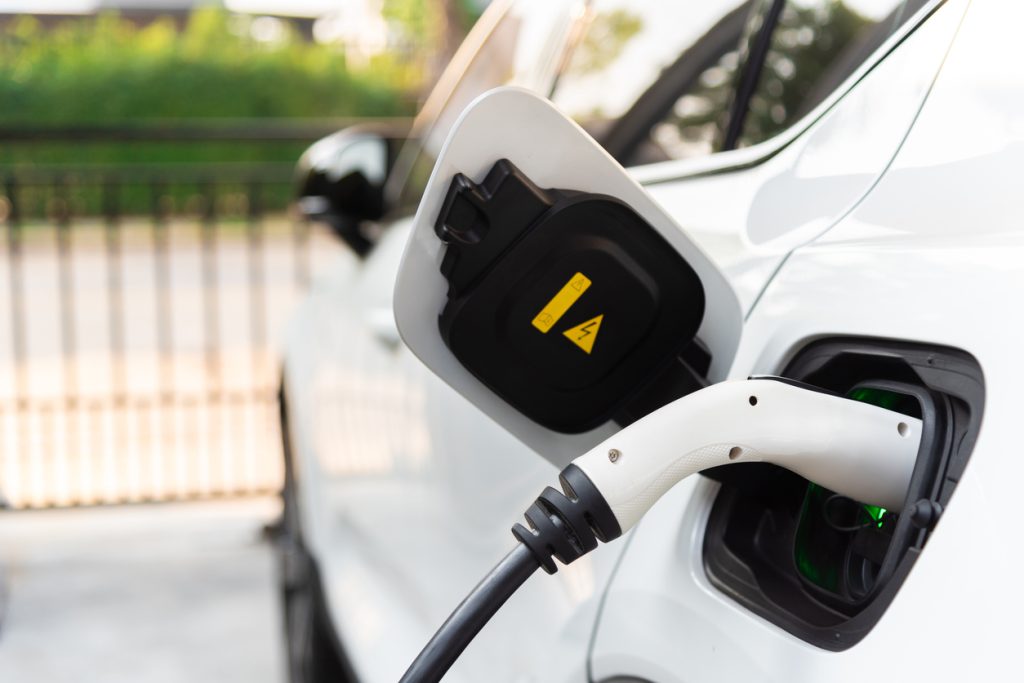
Electric vehicles are gradually becoming more practical for Nigerian businesses, especially companies operating staff cars, delivery vehicles, corporate fleets, hotels, shopping facilities and managed estates. But owning electric vehicles is only one part of the transition. Businesses also need dependable places to charge them.
Business EV charging solutions help companies install charging infrastructure at offices, commercial properties, warehouses, hotels, residential developments and fleet depots. Instead of depending on scattered public charging points, organisations can control when vehicles charge and how electricity is supplied.
Travo.ng helps businesses coordinate practical mobility and energy-related support, including EV charging arrangements that suit their location, expected vehicle usage and available power infrastructure.
What a Business Should Check Before Installing EV Chargers
Installing a charger is more involved than fixing equipment to a wall. The electrical capacity of the property needs to be assessed first.
A small office charging one or two vehicles overnight may have very different requirements from a logistics company operating several electric delivery vans.
Before installation, businesses should consider:
- Number and type of electric vehicles
- Daily kilometres covered by each vehicle
- Available grid electricity
- Generator, solar or inverter backup capacity
- Parking arrangement
- Expected charging time
- Possibility of adding more EVs later
For example, a Lagos business with vehicles returning to its depot around 6 p.m. may have several hours available for overnight charging. That could make slower AC charging practical. A commercial fleet that needs vehicles back on the road quickly may require faster charging equipment.
Choosing Between AC and Faster Commercial Charging
Not every business needs the fastest charger available.
AC chargers are often suitable for offices, hotels, apartment developments and businesses where vehicles remain parked for several hours. They can also cost less to install because their electricity requirements are generally lower.
Higher-powered DC charging becomes more relevant where vehicles have short turnaround periods. Delivery fleets, transport operators and businesses running vehicles continuously may benefit from faster charging.
The important question is not simply, “Which charger is fastest?” It is, “How quickly must these vehicles realistically be available again?”
Choosing oversized equipment can increase installation and power infrastructure costs unnecessarily.
Lagos Businesses Need to Consider Power Reliability
Electricity planning is particularly important when deploying Business EV charging solutions in Lagos.
Commercial properties in areas such as Lekki, Victoria Island, Ikeja and mainland industrial districts may already operate a combination of grid electricity, generators, solar systems and battery storage.
Adding several EV chargers without assessing existing electrical demand can create capacity problems.
A proper installation plan should account for peak building consumption. Charging schedules can sometimes be arranged so vehicles draw power during lower-demand periods rather than when offices, cooling systems and other equipment are consuming the most electricity.
Businesses using solar installations may also explore combining EV charging with renewable energy and battery storage where technically suitable.
What Installation Costs Usually Depend On
There is no single price for commercial EV charging installation in Nigeria.
Costs can vary significantly depending on charger capacity, electrical upgrades, cable distance, protective equipment, groundwork and the number of charging points required.
Installing one charger close to an existing distribution board is usually simpler than building six charging bays across a large parking area.
Companies requesting quotations should therefore provide information about the property, available power supply, vehicle specifications and expected daily charging demand. A site assessment can prevent expensive changes after installation begins.
Planning Charging for a Company Fleet
Fleet operators should calculate charging requirements around actual vehicle movements.
Consider a delivery company operating electric vans around Lagos. Vehicles covering Ikeja, Yaba, Surulere and Lekki routes may return with different battery levels depending on traffic, distance and air-conditioning usage.
Charging every vehicle immediately at maximum power may not be necessary.
A better approach could involve prioritising vehicles scheduled for early departures while allowing others to charge gradually overnight. Smart charging systems can make this easier by controlling when individual vehicles receive power.
This becomes increasingly useful as a fleet grows.
Preparing Your Business for More Electric Vehicles
The strongest commercial charging installations are designed with expansion in mind.
A company may begin with two EVs today and operate ten within a few years. Installing electrical infrastructure that cannot accommodate future chargers may mean repeating expensive cabling or distribution work later.
Travo.ng can support businesses looking for practical Business EV charging solutions alongside wider transport coordination, fleet mobility and commercial logistics requirements.
Whether the charging points are intended for company vehicles, employees, tenants, hotel guests or delivery fleets, the objective should be the same: install infrastructure that matches real vehicle usage and can grow with demand.
For Nigerian businesses adopting electric mobility, careful planning at the beginning can make daily charging far more reliable, predictable and cost-efficient.
