


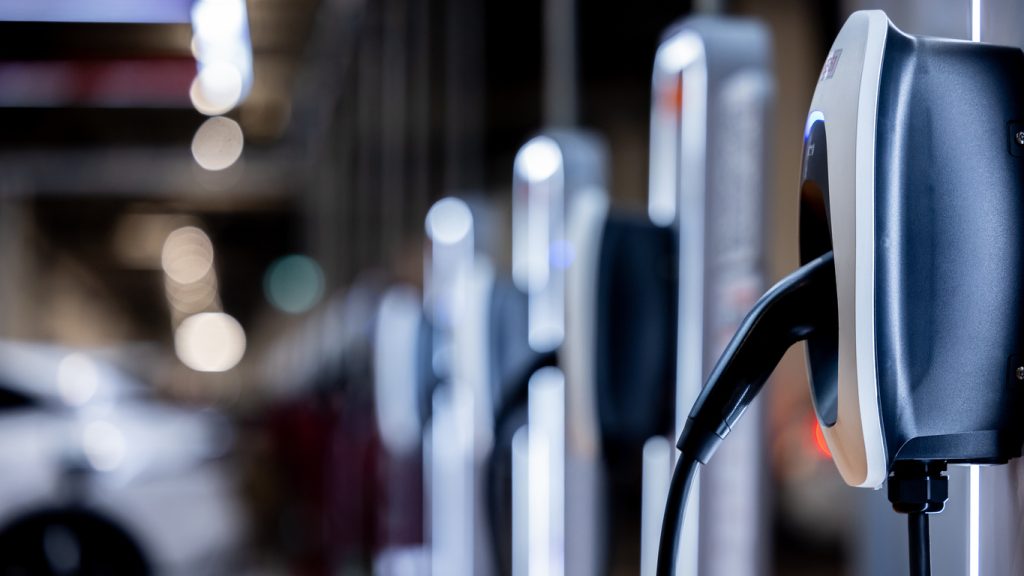
Owning an electric vehicle in Nigeria becomes much easier when you can charge it where the car spends most of its time — at home. A smart EV charger for home gives EV owners more control over charging times, electricity use, and day-to-day vehicle availability without depending entirely on public charging stations.
For someone commuting from Lekki to Victoria Island, Gwarinpa to Central Abuja, or around Port Harcourt every day, convenient home charging can make the difference between an EV that fits naturally into daily life and one that constantly needs charging arrangements.
Travo.ng helps customers coordinate practical mobility and energy-related solutions, including support for EV charging requirements where appropriate.
What Makes a Home EV Charger Smart?
A normal charger mainly supplies electricity to the vehicle. A smart charger adds controls that help the owner manage how and when that electricity is used.
Depending on the equipment, smart charging can allow you to:
- Schedule charging for specific hours
- Check charging progress remotely
- Monitor electricity consumption
- Stop or start charging from an app
- Control access to the charger
- Track previous charging sessions
This is particularly useful in Nigerian homes where electricity may come from a combination of grid supply, solar power, an inverter system, batteries, or a generator.
Instead of simply plugging the vehicle in whenever you arrive home, you can plan charging around the power available.
Check Your Home Power Setup Before Installation
Buying a charger before checking the electrical system is a common mistake.
An electrician should first assess the property’s available electrical capacity, distribution board, earthing, cable size, protection devices, and the charging requirements of the vehicle.
For example, a household already running several air conditioners, water heaters, pumping machines and other heavy appliances cannot assume that an EV charger can simply be added to the same electrical system.
The vehicle itself also matters. Different EVs support different charging speeds, so installing an oversized charger does not automatically make the car charge faster.
A proper assessment helps determine what charger capacity makes practical sense for the property.
How Long Will an EV Take to Charge at Home?
Charging time depends mainly on the vehicle’s battery size, its onboard charging capability and the charger’s power output.
Imagine arriving home at 7 p.m. with enough battery remaining for normal movement. For many EV owners, the objective is not necessarily to charge from empty to 100% every night. The charger simply needs to replace the energy used during the day’s driving before the next morning.
This makes overnight charging particularly practical.
A driver covering relatively short daily trips around Lagos or Abuja may need only a few hours of charging, while someone regularly travelling longer distances will naturally require more energy.
Solar Power Can Make Home EV Charging More Practical
Nigeria’s electricity situation means EV charging should often be considered alongside the property’s wider energy system.
Homes with sufficiently sized solar panels, battery storage and inverter equipment may be able to integrate vehicle charging into their existing setup. However, an ordinary small residential solar installation should not automatically be expected to support an EV.
The additional charging load must be calculated properly.
A household planning to move from petrol vehicles towards electric mobility may therefore need to evaluate the solar array, inverter rating and battery capacity together rather than treating the charger as an isolated purchase.
Where Should the Charger Be Installed?
Convenience matters more than many first-time buyers expect.
Ideally, the charging point should be close enough to the vehicle’s normal parking position that the cable reaches comfortably without stretching across walkways or driveways.
The installer should also consider:
- Protection from heavy rain and flooding
- Safe cable routing
- Vehicle parking position
- Security and unauthorised access
- Future EV purchases
- Distance from the electrical distribution point
In Lagos especially, drainage and flooding around some properties should be considered before selecting the final installation position.
Getting Your Home Ready for Everyday EV Charging
A smart EV charger for home works best when the charger, vehicle and household electricity system are considered together.
Before installation, confirm your EV’s charging specification, assess the property’s electrical capacity and decide whether charging will rely mainly on grid power, solar energy, battery storage or a combination of sources.
Travo.ng can help customers coordinate practical mobility and energy-related requirements alongside services such as vehicle arrangements, transport coordination and other mobility support.
For Nigerian EV owners, the real goal is simple: park the car at home, connect it safely, and have enough charge available when it is time to leave again.
