


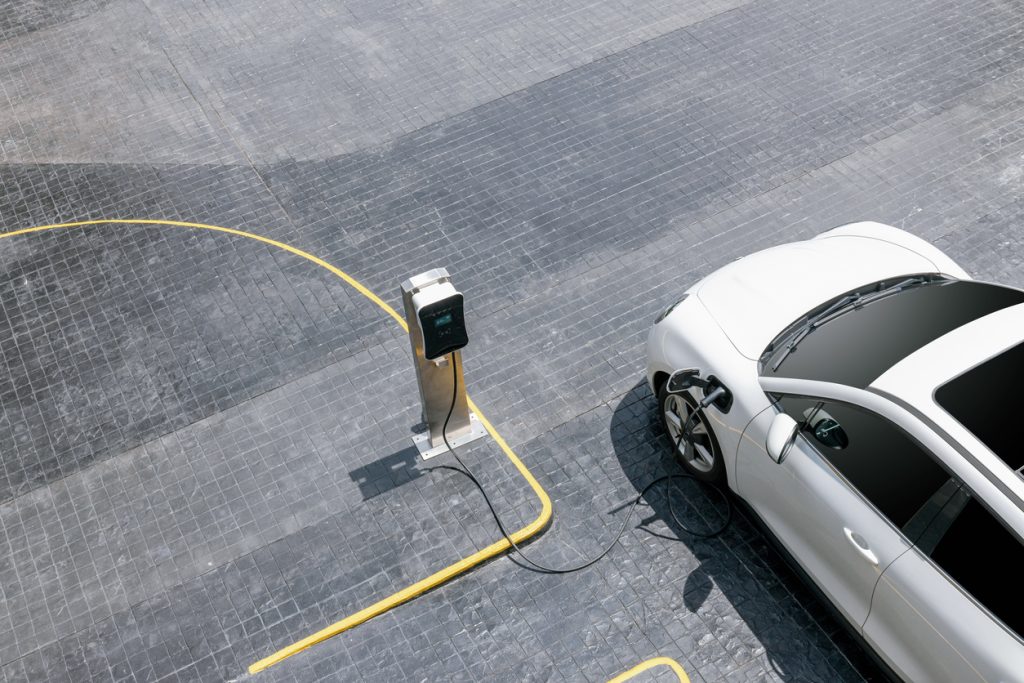
Owning an electric vehicle in Nigeria becomes much easier when you can charge it at home. Instead of depending entirely on public charging points, installing an EV charger for house use gives you more control over when your vehicle is charged and how you plan daily trips.
For drivers in Lagos, Abuja, Port Harcourt and other major cities, home charging is especially useful because public charging infrastructure is still developing. However, buying a charger is only one part of the process. You also need to consider your property’s electricity supply, charger capacity, installation location and backup power options.
Travo.ng can support the practical logistics involved, including equipment delivery, transport coordination and movement of charging or energy equipment where required.
Check Your Home Power Supply Before Buying a Charger
One mistake people make is ordering an EV charger before checking whether the house can support it.
A technician should first inspect your electrical setup, including the distribution board, available load and wiring condition. Some homes may require upgrades before a higher-capacity charger can be installed safely.
Many portable chargers can work from suitable domestic power outlets, but dedicated wall-mounted units normally require proper electrical installation.
If your property already operates heavy appliances such as air conditioners, water heaters, pumping machines and freezers, the total electrical load should be considered before adding regular vehicle charging.
Choosing the Right EV Charger for House Use
The best charger depends on your vehicle, driving pattern and available electricity.
For a driver who covers relatively short distances around Lekki, Ikeja, Victoria Island or Abuja every day, overnight charging may be sufficient. Someone travelling longer distances regularly may prefer a faster home charging arrangement.
Before purchasing, confirm:
- Your vehicle’s charging connector type
- Maximum charging speed supported by the vehicle
- Charger power rating
- Cable length
- Installation requirements
- Whether the charger supports monitoring or scheduled charging
Buying a charger with a very high rating does not automatically mean your vehicle will charge at that maximum speed. The vehicle itself and the household electricity supply can limit charging performance.
What Home EV Charging Actually Looks Like
Most homeowners plug in after returning from work and allow the vehicle to charge overnight.
This arrangement can be particularly convenient in Lagos, where spending additional time driving to a charging location during peak traffic may not make sense.
For example, someone commuting between Ajah and Victoria Island may simply connect the vehicle after getting home and disconnect it the next morning.
Actual charging time varies significantly depending on battery size, remaining charge and charger output. A partially depleted battery may take several hours to replenish using a typical residential charging setup.
Generator and Solar Backup Need Proper Planning
Power reliability is another important consideration in Nigeria.
Installing an EV charger for house use does not automatically solve electricity availability. Some homeowners combine grid supply with solar panels, inverters and battery storage.
Charging directly from a generator may also be technically possible in some situations, but fuel cost, generator capacity and stable power output need to be considered.
For homes already investing in solar or battery systems, EV charging should be included when calculating energy demand rather than added as an afterthought.
Large batteries and charging equipment can also be bulky and sensitive during transportation. Travo.ng can help coordinate delivery and movement of equipment from suppliers to residential locations where logistics support is needed.
Installation Location Can Affect Daily Convenience
A charger should normally be positioned where the vehicle can park comfortably without stretching cables across walkways or driveways.
In a detached house, installation may be relatively straightforward if the parking area is close to the electrical distribution point.
Apartment residents may face additional challenges. Permission from the landlord, estate management or residents’ association may be necessary before wiring can be extended into shared parking areas.
In gated estates around Lekki, Ikoyi, Gwarinpa and similar neighbourhoods, confirming these requirements before purchasing equipment can prevent expensive delays.
Plan the Full Setup Before Ordering Equipment
A reliable home charging arrangement involves more than simply finding a charger online.
Confirm vehicle compatibility, inspect your electrical system, decide where the unit will be installed and calculate how frequently you expect to charge.
If equipment needs to be collected, transported or delivered across Lagos or interstate, Travo.ng can coordinate the logistics and help move charging equipment safely to your location.
Setting up the right EV charger for house use can make electric vehicle ownership considerably more practical, particularly when the system is designed around your actual driving habits and available home power supply.
