


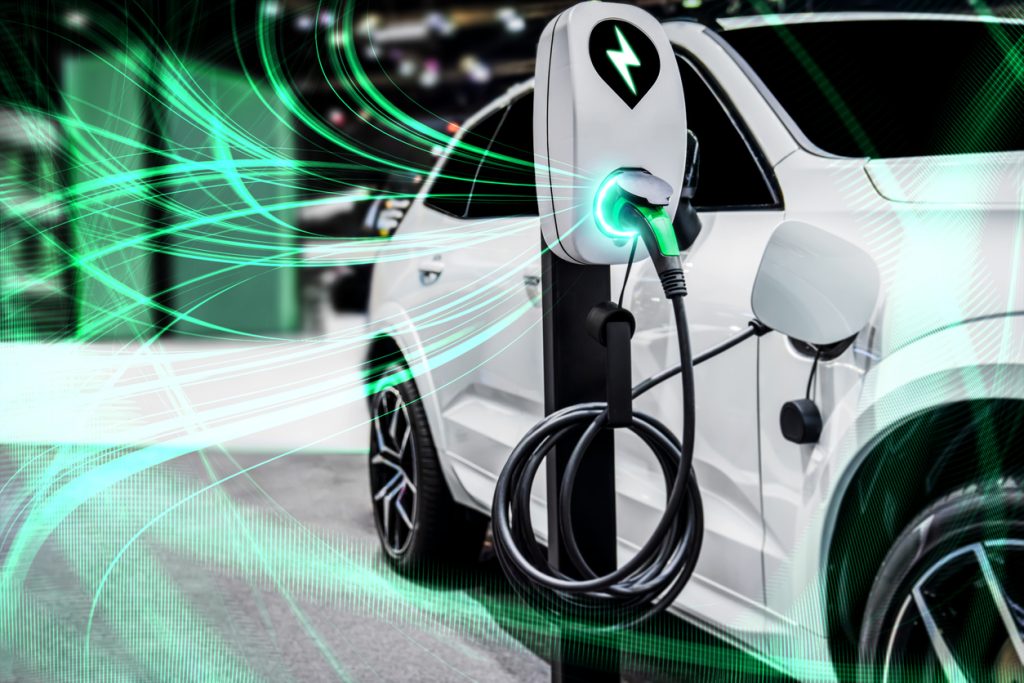
EV charging system installation is becoming a practical consideration for Nigerian homes, offices, hotels, estates and businesses adding electric vehicles to their transport operations. Buying an EV is only one part of the process. The charger also needs to reach the site safely, the proposed location must be suitable, and the electrical infrastructure must support dependable charging.
In cities such as Lagos and Abuja, installation planning can become complicated when chargers, mounting equipment, cables and supporting electrical components need to be moved between suppliers, warehouses and project sites.
Travo.ng helps coordinate the logistics and transport side of EV charging projects, including equipment delivery, vehicle hire and movement of installation materials to locations across Nigeria.
What to Check Before Installing an EV Charger
A technician should assess the site before installation work begins. A charger cannot simply be mounted wherever parking space is available.
Important checks normally include:
- Available electrical capacity
- Distance between the distribution board and parking area
- Type and power rating of the charger
- Cable routing requirements
- Protection against rain and flooding
- Accessibility for vehicles
- Earthing and electrical protection
- Future charging requirements
For example, a homeowner installing one charger in Lekki will have very different requirements from a hotel planning charging points for several vehicles in Abuja.
Commercial properties should also consider how increased electricity demand will affect existing operations.
Getting Charging Equipment to the Installation Site
Transport is an overlooked part of EV charging system installation.
Charging units, electrical panels, cable drums, mounting structures and other equipment may come from different suppliers. A project in Ikeja could require equipment collected from a Lagos warehouse before being delivered to a property elsewhere in the city.
Heavy or sensitive charging equipment should not be treated like an ordinary parcel.
Businesses carrying out several installations may need scheduled deliveries so technicians receive equipment shortly before installation rather than storing valuable components unnecessarily at each location.
Travo.ng can support these movements through courier, delivery, cargo logistics and transport coordination services.
Lagos Traffic Can Affect Installation Schedules
An installation scheduled for 10 a.m. can easily be delayed if equipment is still travelling from the other side of Lagos.
Moving equipment from locations such as Apapa or Ikeja to Lekki, Victoria Island or Ajah requires realistic planning around traffic.
Where possible, equipment should be delivered the previous day or dispatched early enough to provide a reasonable buffer.
This becomes especially important when electricians, engineers and property managers are all scheduled to meet at the site.
Good logistics prevents technicians from spending several hours waiting for equipment that should already have arrived.
Home Charging and Commercial Charging Require Different Planning
A residential charger may serve one vehicle overnight, while commercial charging infrastructure could support an office fleet, hotel guests, delivery vehicles or several residents within an estate.
Commercial projects may therefore involve considerably more equipment.
A business installing multiple charging stations may need:
- Coordinated delivery of chargers and electrical materials.
- Transport for technicians and project personnel.
- Temporary movement or storage of equipment.
- Repeat deliveries during different phases of installation.
- Interstate transport if equipment is coming from another Nigerian city.
For projects outside Lagos, equipment movement should be arranged early because interstate delivery introduces additional travel time and handling.
Avoid Installing Before the Site Is Properly Assessed
One common mistake is purchasing a charging system before confirming whether the building’s electrical setup can support it.
Another is choosing the installation position based only on convenience.
A location that looks suitable may require long cable runs, expensive electrical work or additional protection against weather.
Professional assessment before equipment is dispatched can reduce unnecessary transport, replacement costs and installation delays.
Coordinating Your EV Charging Project With Travo.ng
A successful EV charging system installation depends on more than electrical work. Equipment, technicians and supporting materials must arrive at the right place at the right time.
Travo.ng can support EV charging projects through equipment delivery, cargo movement, vehicle hire, courier services and business logistics coordination.
Whether equipment is being moved across Lagos or transported to projects in Abuja, Port Harcourt or another Nigerian city, planning the logistics alongside the technical installation helps reduce delays and makes the entire process easier to manage.
For businesses expanding electric vehicle operations, coordinated transport and delivery can also make future charging station rollouts across multiple locations much easier to control.
