


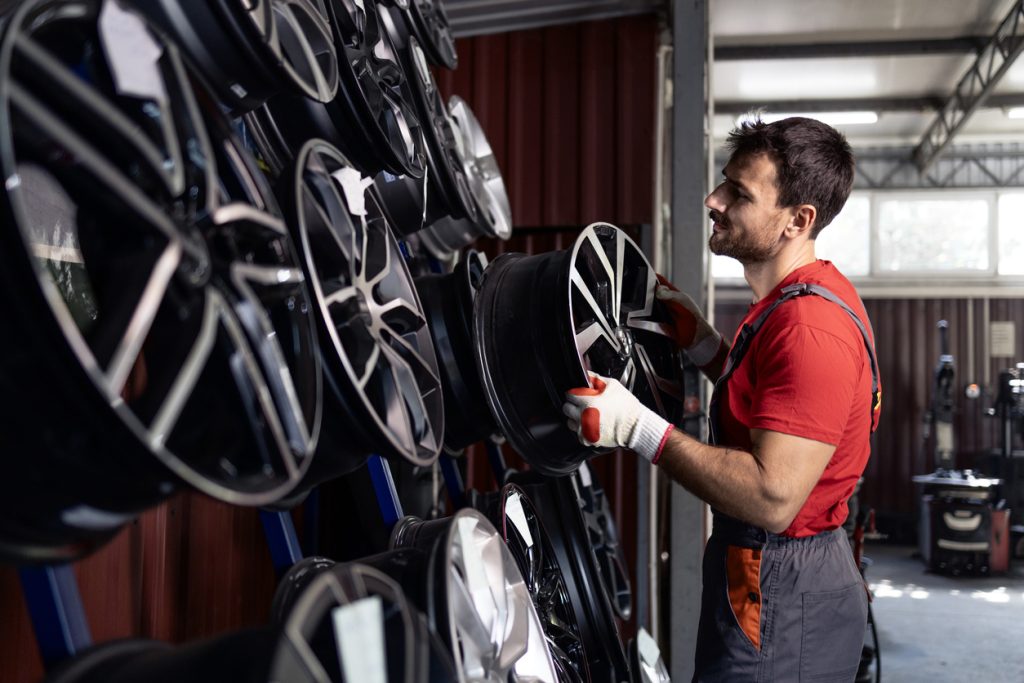
If you are searching for maintenance mechanic careers in Nigeria, there are opportunities across manufacturing, transport, construction, logistics, oil and gas, power generation, agriculture and heavy equipment operations.
A maintenance mechanic is not simply someone who repairs a machine after it breaks down. The job is largely about keeping vehicles, machines and mechanical systems working reliably through inspections, preventive maintenance, troubleshooting and timely repairs.
That distinction matters in Nigerian workplaces where an unexpected breakdown can stop a production line, delay deliveries or leave expensive equipment sitting idle.
Current Nigerian job listings show demand for maintenance mechanics and related mechanical roles, including mechanical technicians, heavy-duty mechanics, industrial maintenance positions and equipment mechanics. (LinkedIn)
What does a maintenance mechanic do?
The exact work depends on the industry, but a maintenance mechanic will generally be responsible for inspecting, servicing and repairing mechanical equipment.
Common duties include:
- Inspecting machinery and mechanical systems
- Carrying out scheduled preventive maintenance
- Diagnosing mechanical faults
- Replacing worn or damaged components
- Lubricating moving parts
- Repairing engines, pumps, compressors and other machinery
- Checking belts, bearings, shafts and gears
- Supporting equipment installation
- Responding to unexpected breakdowns
- Recording maintenance work
- Working with other technicians and engineers
- Following workplace safety procedures
In a factory, for example, a mechanic may spend part of a shift checking production equipment before it develops a serious fault. In a transport company, the same type of professional could concentrate on buses, trucks or other commercial vehicles.
Where can maintenance mechanics work in Nigeria?
One of the biggest advantages of this career is the number of industries that depend on mechanical equipment.
Manufacturing
Factories rely on production machinery operating for long periods. A maintenance mechanic may work on conveyors, pumps, motors, compressors, packaging machines and other production equipment.
Current Lagos and Ogun vacancies include maintenance roles in beverage and manufacturing operations, with responsibilities covering inspections, troubleshooting, parts replacement and repairs. (MyJobMag)
Transport and fleet operations
Transport companies need mechanics who can maintain buses, trucks and support vehicles.
The work can include engine servicing, brake inspections, suspension repairs, diagnostics, tyre-related maintenance and preventive servicing.
For a company running dozens of vehicles, keeping a proper maintenance schedule is critical. If several buses become unavailable at the same time, the problem can quickly affect routes and customers.
Construction and heavy equipment
Construction companies use excavators, loaders, bulldozers, generators, compressors and other heavy machinery.
This creates opportunities for mechanics who understand hydraulic, diesel and heavy-duty mechanical systems.
Power and generator maintenance
Because many Nigerian businesses depend on backup power, generator maintenance is another potential career path.
A mechanic may work on diesel or petrol generators, carrying out servicing, troubleshooting and mechanical repairs.
Current Lagos listings include mechanic roles specifically focused on petrol and diesel generator maintenance. (Indeed)
Oil and gas
Oil and gas companies and their contractors use specialised machinery and heavy equipment, creating opportunities for mechanics with strong technical experience and safety awareness.
The work can be more specialised than ordinary vehicle repair, so additional training and industry experience can become valuable.
Agriculture and industrial operations
Tractors, pumps, processing machines and other agricultural equipment also require regular mechanical maintenance.
Nigeria’s current National Occupational Standards include formal pathways for Agricultural Equipment Mechanics, Automobile Mechanics, Industrial Mechanics and Automotive Mechatronics, showing how broad the technical career field has become. (National Board for Technical Education)
What qualifications do you need?
There is no single qualification that applies to every maintenance mechanic position.
Depending on the employer and equipment involved, you may see requirements such as:
- Trade Test
- Technical or vocational certificate
- OND
- HND
- B.Sc./B.Eng.
- Apprenticeship or substantial hands-on experience
For entry-level automotive work, practical training and apprenticeship experience can be particularly useful.
For industrial maintenance positions, employers may expect qualifications in Mechanical Engineering, Mechanical Technology, Industrial Maintenance or a related discipline.
A recent maintenance vacancy in Lagos and Ogun accepted qualifications ranging from vocational credentials and OND to HND/BSc, alongside practical mechanical and electrical skills. (MyJobMag)
The skills that actually matter on the job
A certificate can get your CV considered, but practical ability is what makes you valuable.
Mechanical troubleshooting
You should be able to investigate a problem instead of immediately replacing parts.
For example, if a machine is vibrating excessively, you need to consider possible causes such as worn bearings, misalignment, loose components or other mechanical faults.
Preventive maintenance
Good maintenance mechanics work before the breakdown happens.
This can involve:
- Changing lubricants
- Inspecting belts
- Checking bearings
- Tightening connections
- Replacing worn components
- Inspecting cooling systems
- Checking fluid levels
- Testing equipment
Preventive maintenance can help a company avoid emergency repairs and prolonged downtime.
Basic electrical knowledge
Modern machinery often combines mechanical and electrical systems.
Even if you specialise in mechanical work, understanding motors, sensors, wiring, control systems and basic electrical troubleshooting can make you more useful to an employer.
Diagnostic tools
Learn how to use appropriate tools for the equipment you work on.
For automotive mechanics, this may include diagnostic scanners. For industrial mechanics, it can include measuring instruments and specialised testing equipment.
Technical documentation
Learn to read equipment manuals, maintenance schedules, technical drawings and relevant specifications.
This becomes increasingly important when working on imported machinery where the manufacturer’s documentation may determine the correct maintenance procedure.
How much can maintenance mechanics earn?
Pay varies considerably depending on experience, location, industry and specialisation.
For example, a current Lagos automobile mechanic vacancy lists ₦150,000 per month, while a recent Lagos/Ogun maintenance technician listing advertised ₦200,000–₦300,000 monthly. A July 2026 maintenance expert listing advertised ₦300,000–₦600,000 monthly for experienced mechanical maintenance professionals. (Indeed)
These are examples from individual vacancies rather than a guaranteed national salary range.
Specialised mechanics can command higher pay when they develop experience with heavy equipment, industrial machinery, specialised vehicles, automation or other technically demanding systems.
Maintenance mechanic or automobile mechanic?
The two careers overlap, but they are not identical.
An automobile mechanic primarily works on road vehicles such as cars, vans, buses and trucks.
A maintenance mechanic can work on a much wider range of mechanical equipment.
For example:
Automobile mechanic:
Engine → transmission → brakes → suspension → steering → vehicle electrical systems
Industrial maintenance mechanic:
Motors → pumps → conveyors → compressors → bearings → hydraulic systems → production machinery
If you enjoy working with vehicles, automotive maintenance may be the better route. If you prefer factories, machinery and industrial systems, mechanical maintenance can give you a broader technical career.
How to get your first maintenance mechanic job
If you have little professional experience, don’t wait until you see a vacancy titled exactly “Maintenance Mechanic.”
Search for related positions such as:
- Mechanical Technician
- Maintenance Technician
- Maintenance Assistant
- Workshop Technician
- Mechanical Maintenance Technician
- Equipment Technician
- Automotive Technician
- Heavy-Duty Mechanic
- Field Service Technician
- Plant Maintenance Technician
Current Nigerian listings use several of these titles for overlapping maintenance responsibilities. (LinkedIn)
An apprenticeship or workshop position can also be a useful starting point. The important thing is to gain exposure to real equipment and learn how professional maintenance is organised.
What should you put on your CV?
Avoid a CV that simply says:
“I am hardworking and can repair machines.”
Be specific about what you can actually do.
For example:
- Performed preventive maintenance on diesel generators
- Diagnosed mechanical faults using appropriate testing equipment
- Replaced bearings, belts and worn mechanical components
- Conducted routine inspections of commercial vehicles
- Maintained equipment service records
- Assisted with hydraulic system troubleshooting
- Carried out engine servicing and repairs
If you have worked on specific machines, name them.
A recruiter looking for someone who understands forklifts, generators or industrial machinery will find a CV much more useful when those skills are clearly stated.
What employers test during interviews
Expect practical questions.
You may be asked:
- How do you diagnose a machine that suddenly stops working?
- What is preventive maintenance?
- How do you identify the cause of repeated mechanical failure?
- What would you inspect before starting a machine?
- How do you decide whether a component should be repaired or replaced?
- What safety precautions do you take before maintenance?
- Which tools and diagnostic equipment can you use?
- How do you document maintenance work?
- What would you do if a critical machine failed during production?
If you have practical experience, explain your process rather than giving textbook definitions.
Why preventive maintenance matters in Nigeria
A maintenance mechanic often has to work with real operating constraints.
A factory may depend on one critical machine. A transport company may need every bus available during a busy travel period. A construction company may have an excavator working on a project where several hours of downtime can affect the entire schedule.
In these situations, waiting for equipment to fail is expensive.
A good mechanic therefore learns to recognise warning signs such as unusual vibration, overheating, abnormal noise, fluid leaks, reduced performance and repeated component failures.
The goal is not simply to repair equipment. It is to keep the operation moving.
How to move from mechanic to senior technical roles
You can build a long-term career by gradually adding specialised skills.
A possible progression is:
Apprentice → Maintenance Mechanic → Senior Mechanic → Maintenance Supervisor → Maintenance Manager
You can also move into:
- Fleet maintenance
- Heavy equipment maintenance
- Industrial maintenance
- Workshop management
- Field service
- Technical sales
- Equipment operations
- Facilities management
Learning complementary skills such as electrical troubleshooting, hydraulics, pneumatics, welding, automation and computerised maintenance systems can make this progression easier.
Maintenance mechanics are also part of logistics operations
Mechanical maintenance has a direct connection with logistics.
A delivery company cannot promise reliable transport if its vehicles are constantly breaking down. Likewise, a business transporting equipment between Lagos, Ogun, Ibadan, Abuja or other locations needs vehicles and machinery that can handle the work.
This is why maintenance, transport and logistics often operate together.
Businesses may also need vehicle hire, cargo movement, delivery coordination or relocation support when equipment and materials have to move between sites. Travo.ng provides transport, delivery, cargo logistics and relocation-related services that can support these wider operational requirements where appropriate.
Where to build your skills next
If you want to make maintenance mechanic careers in Nigeria a long-term profession rather than just a job, choose a technical area and become genuinely good at it.
Consider developing skills in:
- Diesel engines
- Heavy-duty vehicles
- Industrial machinery
- Hydraulics
- Pneumatics
- Generators
- Automotive diagnostics
- Industrial automation
- Welding and fabrication
- Preventive maintenance
- Computerised maintenance management
- Electric vehicles and modern vehicle systems
Nigeria’s technical training framework is also expanding into areas such as automotive mechatronics, CNG/LPG vehicle maintenance, electric-vehicle operation and maintenance, industrial mechanics and agricultural equipment mechanics. (National Board for Technical Education)
For someone starting today, the strongest approach is to combine hands-on mechanical experience with modern diagnostic and maintenance skills. That combination can open opportunities in workshops, factories, transport companies, logistics operations, construction, agriculture and other industries across Nigeria.
And as your experience grows, you can move from fixing individual machines to becoming the person responsible for keeping an entire operation running.
